
China’s Stationery Hubs: Sourcing for Exports and Amazon
China’s Stationery Hubs: Where to Source for Exports, Amazon, and Bulk Orders
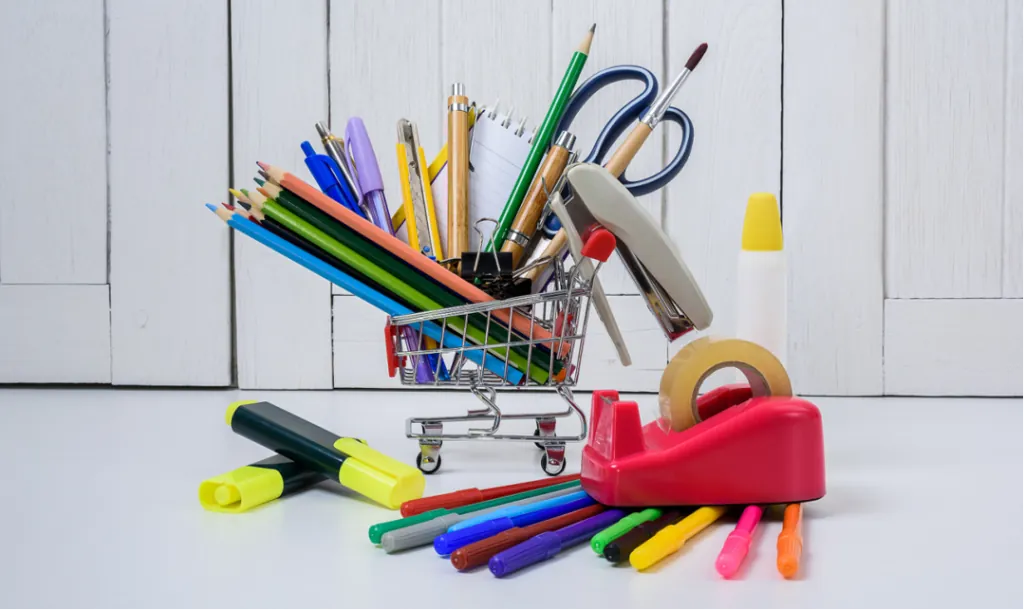
Whether you’re stocking up for Amazon, filling export orders, or hunting for custom stationery, China’s regional hubs have you covered. From small-batch testing to large-scale OEM, here’s your guide to the best spots — plus the MOQ logic, cost drivers, safety rules, and inspection points that decide whether a stationery order lands clean. Stationery looks simple, but it mixes plastics, inks, paper, and small parts, which makes its compliance layer more interesting than buyers expect.
One-Stop Wholesale Markets: Perfect for Testing & Mixing Orders
- Yiwu (Zhejiang): The global stationery hub. Head to International Trade City Zone 3: Floor 1 covers pens, notebooks, paper, calendars, and art supplies; Floor 2 covers student essentials, office supplies, folders, backpacks, and gift sets. What makes it great? Tons of SKUs, ultra-low minimums (even 10–20 pieces), and easy mixed shipping. Ideal for Amazon sellers testing new products or combining orders for multiple countries.
- Linyi (Shandong): Northern China’s go-to for budget stationery — basic notebooks, office basics, and bulk paper, perfect for large orders to Central Asia and Russia.
- Guangzhou & Shenzhen (Guangdong): Guangzhou’s Yiyuan Market and Shenzhen’s Sungang Market focus on mid-to-high-end items: imported accessories, gift boxes, and sleek office sets. A hit with Southeast Asian and European buyers.
Factory Hubs: For Large Orders & Custom Designs
Zhejiang: the heart of stationery manufacturing.
- Ningbo (Ninghai): “China’s Stationery Capital.” Home to big names like Deli and Beifa, producing 20% of China’s stationery. Specializes in office essentials, high-end pens, staplers, file organizers, and bulk gift sets. 70% of output exports, making it a top pick for premium Amazon listings or B2B clients. See how these lines sit within wholesale stationery from China and wholesale office supplies.
- Tonglu (Fenshui Town): “Pen Capital of China.” Produces 8.5 billion ballpoint and gel pens yearly (35% of China’s total). Great for affordable writing tools, custom logo pens, and novelty pens — ideal for export branding.
- Wenzhou (Longgang & Cangnan): Tied to a strong printing industry — pen parts, notebooks, stickers, and greeting cards. Low costs and fast mold changes (thanks to nearby Taizhou’s mold factories) make custom designs easy.
- Qingyuan (Lishui): The world’s top maker of wooden pencils and colored pencils. Perfect for eco-friendly, natural stationery exports.
Guangdong: best for kids & creative stationery.
- Chenghai (Shantou): Blends toys and stationery — cartoon-themed sets, DIY craft kits, and kindergarten supplies. Factories here are flexible with small batches, and it’s easy to combine with toy orders for mixed shipping.
- Shenzhen (Longhua) & Dongguan (Houjie): Shenzhen makes high-end metal office tools and leather notebooks for luxury markets; Dongguan specializes in mid-range OEM for Japan, South Korea, and the Middle East.
Niche picks:
- Jinxian (Jiangxi): “Chinese Brush Capital,” famous for traditional calligraphy sets — great for cultural gift exports.
- Wuyi (Zhejiang): Mass-produces plastic folders, document bags, and desk organizers at very competitive prices.
Quick sourcing guide: new to Amazon? Start with Yiwu for small, mixed orders. Need branded office gear? Ningbo. Custom pens? Tonglu or Wenzhou. Kids’ stationery plus toys? Chenghai.
How Stationery MOQs Work
- Market goods (Yiwu). The friendliest MOQs in Chinese manufacturing — many items sell at 10–20 pieces because traders consolidate mixed orders. The trade-off: most vendors are traders, so factory-level customization needs a separate step.
- Custom printed pens (Tonglu). Printing is cheap and fast; MOQs are driven by ink setup and barrel stock. Stock barrels with your logo are the classic low-barrier promotional item.
- Notebooks and paper (Wenzhou, Linyi). Paper is bought by the ream and printed by the sheet, so page count, paper weight, and cover finish set the minimum run. Custom-size notebooks carry higher minimums than A5/A4 standards.
- Molded plastic items (Wuyi, Taizhou). Folders and organizers use existing molds cheaply; new molds push MOQs up to amortize tooling.
- Kids’ and craft sets (Chenghai). Component count drives both MOQ and compliance scope — every additional marker, sticker sheet, or clay color adds a part to track.
Through our service, sample orders and trial purchases can start from a single piece (custom tooling projects are the exception), which suits mixed stationery orders well: test the SKU mix before the container.
What Actually Drives the Cost of Stationery
- Paper weight and brightness. 70gsm vs 100gsm paper changes both cost and perceived quality; cover boards and lamination add the next layer.
- Ink systems. Gel vs ballpoint vs fountain inks carry different costs, shelf lives, and leak risks in transit.
- Print decoration. Logo printing is cheap per unit; full-color wraps, foil stamping, and custom gift boxes scale differently.
- Component count. A 30-piece stationery set prices like 30 mini-products: each part has its own material, mold, and packaging.
- Packaging. For marketplace sales, retail-ready boxes and shrink wrap are real line items; for bulk exports, plain cartons keep cost down.
Compliance: Stationery Is Part Toy, Part Chemical Product
- Children’s products. If stationery is marketed to children, US CPSIA rules apply (lead limits, tracking labels), and art materials need ASTM D-4236 labeling under LHAMA. For the EU, EN 71-3 chemical migration requirements are the usual reference for children’s stationery.
- Pen caps. The US has small-parts choke-cap requirements for writing instrument caps (16 CFR 1500.19) — a vented cap design is a testable requirement, not a preference.
- Inks and adhesives. Glues, markers, and correction fluids may be classified by chemical content; check solvent restrictions and flammability labeling for your destination.
- Licensing. Cartoon-themed sets need a genuine license for the artwork. Unlicensed character printing is a takedown and seizure risk.
As a rule on all projects we handle, third-party testing fees are extra costs, confirmed with you in advance — along with freight — before anything is booked.
How Stationery Is Inspected
- Writing function. Ink flow, line consistency, and write-out length on sampled pens; cap fit and clip strength.
- Paper checks. Page count, paper weight against spec, binding strength (page-pull tests), and cover lamination quality.
- Component completeness. For sets, count and verify every component per box — sets are where missing-part complaints come from.
- Print and packaging. Logo position, color match to the approved sample, barcode scannability, and retail-box condition.
- Small parts and caps. Choke-cap vents and small-part sizes for products that touch children.
How inspection works with us, in three clear tiers. First, as part of our standard service, goods that arrive at our Guangzhou warehouse go through a receiving check — quantity, packaging, and visible defects, within the scope agreed for your order. Second, factory audits, during-production checks, and pre-shipment inspection are available as optional services, quoted per project and delivered with reports and photos. Third, external costs — freight and third-party testing — are always confirmed upfront.
Common Pitfalls When Sourcing Stationery
- Ink dries out in transit. Cheap inks and poor seals fail after months in a hot container. Specify ink shelf life and seal quality for long shipping routes.
- Page counts short-shipped. A 200-page notebook printed at 180 pages is a quiet margin killer. Count pages during inspection.
- Unlicensed character artwork. “Cartoon-style” does not mean licensed. Confirm the license basis before printing anything character-shaped.
- Markers that leak in air freight. High-altitude pressure tests matter for marker-heavy mixed shipments; discuss packing and cap seals with the factory.
- Set components from different suppliers. Multi-component sets assembled from separate vendors drift out of sync; fix the bill of materials and a single assembly point.
Frequently Asked Questions
Where should a new Amazon seller start?
Yiwu — ultra-low minimums and mixed orders let you test several SKUs at once. Once a product proves itself, move custom volume to the factory hubs (Ningbo for office lines, Tonglu for pens).
What safety rules apply to kids’ stationery?
US: CPSIA lead limits and tracking labels, plus ASTM D-4236 art-material labeling; pen caps must meet choke-cap requirements. EU: EN 71-3 chemical migration is the usual reference. Third-party testing fees are confirmed in advance.
Can I order very small trial quantities?
Yes. Yiwu market goods often start at 10–20 pieces, and sample orders through our service can start from a single piece (custom tooling excepted) — well suited to mixed stationery testing.
How is stationery quality checked?
In three tiers: a receiving check at our Guangzhou warehouse is included in our standard service (quantity, packaging, visible defects, per the agreed scope); factory audits, during-production checks, and pre-shipment inspection are optional services quoted per project with reports and photos; external costs are confirmed upfront.
What does a sourcing company charge?
Our service fee starts at 5% — the full breakdown is published on our pricing page.
Talk to a Team That Sources in These Clusters
Since 2021, Select Trade has supported 798+ buyers across five continents, drawing on 1,500+ factory resources across China’s manufacturing clusters and 5,815+ products sourced. If you are building a stationery line, add us on WhatsApp: 008613202073761. Mention you’re sourcing stationery for exports or Amazon and where you found this guide — we’ll help you choose the right hub and get a quotation you can compare on equal terms.
