
China’s Wig Hubs: Xuchang, Qingdao and Dongguan
China’s Hairpiece Hubs: Where to Source Wigs, Xuchang, Qingdao, and Dongguan Guide
By Vivian Pi, CEO — Select Trade
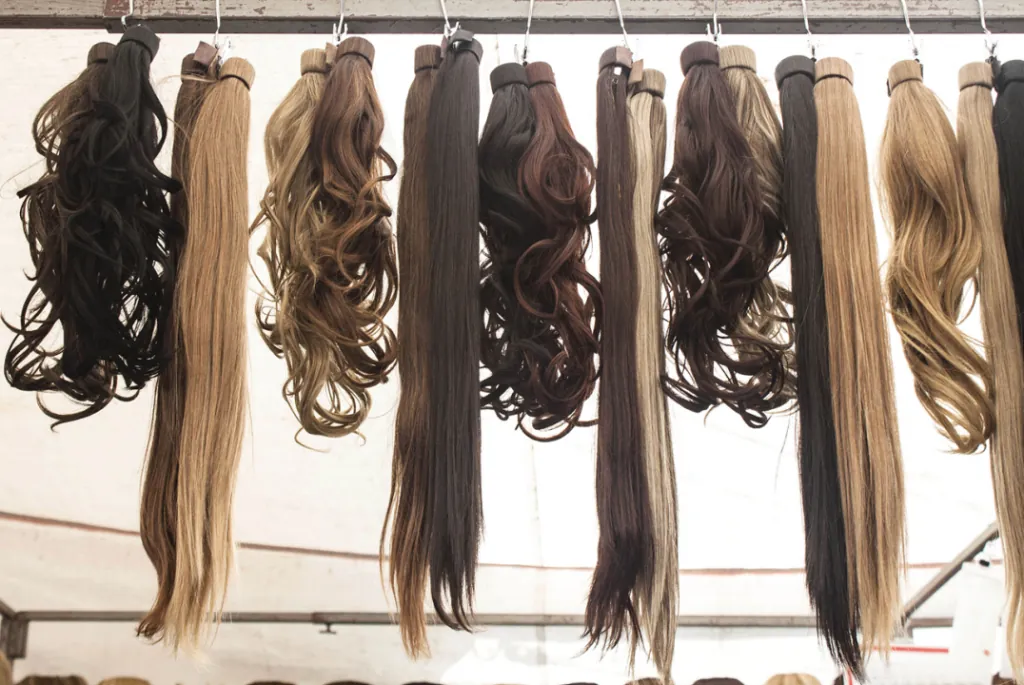
If you’re in the wig trade, China dominates global production, with three regions accounting for 85% of output. Each hub has its specialty. Here’s how to pick the right one — and how to buy from it without getting burned on quality, compliance, or freight.
The mistake most first-time importers make is treating “China” as a single supplier market. It isn’t. A factory in Henan that runs synthetic blends at volume has almost nothing in common with a hand-tied lace workshop outside Qingdao. Different labor pools, different quality ceilings, different minimums, different freight lanes, and different expectations about what a buyer is allowed to ask for. Choose the hub first, then choose the factory inside it. That order matters, because the hub determines what is realistically achievable on quality and price before you ever start negotiating.
Xuchang, Henan: The Global Wig Capital
Xuchang isn’t just a city; it’s a wig empire. Home to 4,000+ businesses and 300,000 workers, it produces 60% of the world’s wigs.
What sets it apart? Versatility. Xuchang excels at synthetic blends, budget-friendly styles, and bulk orders, perfect for markets in Africa and South America. Whether you need basic wefts or trendy bobs, factories here deliver fast turnaround (2–3 weeks for large orders) at competitive prices.
Key zones: Jian’an District, Yuzhou City, and Lingjing Town, where streets are lined with suppliers offering everything from raw materials to finished products.
Quality control in Xuchang
Xuchang’s strength is volume, and volume is exactly why you need a QC routine of your own. Ask any supplier to walk you through these four checks on a live video call, then repeat them yourself the moment your sample lands.
Knotting. On a lace piece, hold the lace up to a light source and look at the knot grid. You want small, evenly spaced knots sitting on a visible mesh pattern. Large knots, clusters, or a solid dark band along the hairline read as “pluggy” and are the single fastest way a wig looks cheap on a customer’s head. Ask whether the knots are bleached and how far back the lace extends — a wider parting area needs more careful knot work than a basic closure.
Shedding. Wet the unit, then run a wide-tooth comb from mid-length to ends with five firm strokes. A few loose fibers on a machine-wefted bundle is normal. A visible clump is not, and neither is shedding that continues on the second and third pass. Test two units from the same production batch, never one. A single clean unit proves nothing about the run you are about to pay for.
Lace quality. Check the lace color against the scalp tone you actually sell to. Stretch a corner gently — good lace returns to shape, brittle lace tears at the edge. Ask how the lace behaves after washing and whether it holds its tone or yellows, because a lace front that discolors after two washes generates returns no discount can offset.
Color consistency. Order one dye lot per SKU and ask for a physical color card you can keep on file. Judge color in daylight and again under warm indoor light, since the same unit can look completely different in each. Photograph every approved sample against a neutral grey card so you have a reference when the production run arrives months later.
Synthetic-specific checks matter here too, because so much of Xuchang’s output is synthetic. Look at the fiber under direct light: heavy shine suggests a low-grade fiber that will look plastic in photos. Run a wash-and-dry cycle and check for tangling and matting at the nape. If you need to confirm whether a fiber is human or synthetic, pull a few strands and burn them — human hair smells like burnt hair and leaves crushable ash, while synthetic fiber melts into a hard bead. Do this on your sample, not on inventory you have already paid for.
Vetting Xuchang suppliers for export compliance
The supplier count in this region is enormous, and not all of it is factory. Many “factories” are trading offices that resell someone else’s production, which is fine as long as you know it. Ask directly whether the entity holds its own export license and customs registration or works through a trading company. Request the business license and confirm the registered scope actually covers hair products.
Build a documentation checklist before you pay a deposit: commercial invoice, packing list, bill of lading or airway bill, and a certificate of origin where your destination qualifies for preferential duty. Depending on your market, you may also need fiber content labeling, flammability information, or declarations covering restricted chemicals. Confirm those requirements with your customs broker before production starts, not after the container is loaded.
One non-negotiable rule: the beneficiary name on the bank account must match the entity name on the invoice. Mismatched names are one of the most reliable fraud signals in this trade, and they are easy to catch early. Keep a clean paper trail — purchase order, proforma invoice, deposit receipt, balance receipt — for every order.
Samples, packaging, and freight from Xuchang
Expect to pay for samples. Free samples are usually either a hand-picked unit or a cost quietly folded into your minimum order. Order a paid sample of the exact SKU from the exact production line, and specify a production sample rather than a showroom sample. Get two units: keep one sealed as your golden sample, and physically abuse the other — wash it, comb it, style it under heat, check it after a week. Write the golden sample’s measured specs into the purchase order: length tolerance, density, cap size, lace type, hair weight in grams, and color code.
For private label, Xuchang factories are comfortable with OEM packaging: printed boxes, hang tags, satin bags, branded lace caps, and header cards. Costs move with print method, so short trial runs and high-volume offset runs should be quoted separately. Ask for packaging spec sheets with dimensions and materials, confirm the packing meets destination rules such as country-of-origin marking, and get in writing that the factory will not reuse your artwork for other buyers.
Freight is where inland location shows up. Henan goods typically truck to a coastal port or move by air, so a sample shipment carries an extra domestic leg. Compare FOB and DDP quotes and understand exactly what each includes. Remember that the 2–3 week production window for large orders is production time only — sampling, QC, packing, and transit sit outside it.
Qingdao, Shandong: Luxury for the Global Elite
For high-end human hair wigs, think salon-quality pieces for (European and American) markets. Qingdao is unrivaled.
Its core is Jiaozhou’s Ligexiang Town, nicknamed “Wig Silicon Valley.” With 300+ enterprises generating 3.5 billion yuan annually, it controls 40% of the global premium wig market. Craftsmanship here is meticulous: hand-tied knots, natural hair texture, and blends that mimic real growth. These pieces aren’t cheap, but they’re trusted by luxury brands and celebrity stylists.
Quality control in Qingdao and Jiaozhou
At this price point, QC is the product. Hand-tied knots should be individually placed, not sprayed on in rows, and you can verify this by inspecting the underside of the cap under magnification. Ask the factory to show you the cap construction layer by layer: lace type, knotting method, and how the hair is ventilated around the parting and crown.
Run the same shedding test you would in Xuchang, but tighten the tolerance — a premium unit should lose almost nothing. Check that the cuticle direction runs the same way from root to tip; hair that reverses mid-bundle will tangle within weeks and there is no fix. Test color consistency across the whole unit, from the ends to the new growth area, since blends are the most common place for a tone to drift.
Lace quality is decisive here. Compare an HD lace against a standard Swiss lace on the same scalp tone and pick the one that actually disappears on your customer. Then confirm that the lace still looks right after a wash, because the failure mode for expensive lace is discoloration, not tearing.
Compliance, samples, and branding for premium human hair
Human hair crosses more regulatory lines than synthetic. Depending on your destination, you may face requirements around fiber content claims, sanitation, or origin declarations. Ask your supplier which documents they routinely issue for that market and get the answer before the first order, then verify the entity’s export license and customs registration matches the bank beneficiary exactly.
Premium orders justify premium sampling discipline. Buy production samples, not showroom units, and keep a sealed golden sample. For human hair, extend the test period — wash it several times and check for matting, changed texture, and tone drift before you commit.
Private label at this tier is mostly about restraint: rigid gift boxes, satin linings, discreet foil logos, branded care cards, and a packaging spec sheet precise enough to reproduce on the next order. Ask about hair weight measured in grams, since density is where two visually identical units differ most, and get it stated on the invoice.
Freight from Qingdao is a genuine advantage — the port is right there. For high-value human hair, sea freight is slow and the cargo is worth insuring properly; most luxury buyers move air freight for restocks and reserve sea freight for large, non-urgent replenishment. Compare FOB and DDP terms carefully and insure the shipment for its true replacement value, not the invoice total alone.
Dongguan, Guangdong: Trend-Driven and Fast
Dongguan thrives on speed and style. This is where you’ll find bold, colorful designs, cosplay wigs, and small-batch orders tailored to social media fads.
Thanks to its proximity to Hong Kong and Macau, cross-border logistics are seamless. Need 50 neon pink bobs for a social media challenge? Factories here deliver in days, not weeks. It’s ideal for testing new designs or catering to niche markets like Gen Z fashion.
Quality control and speed in Dongguan
Dongguan’s value proposition is iteration, so treat QC as a gate between design tests rather than a final inspection. On colored pieces, check color consistency first — vivid dyes are the hardest to hold steady, and a two-tone mismatch across 50 units kills the drop. Confirm the fiber handles heat styling if your customer will be styling it, and check for shine under direct light.
Run the wet-comb shedding test on every new color before you scale it, and keep the passing unit as your reference for the next run. Lace and knotting standards are usually lower in this category, and that is fine — the customer is buying a look for a short window, not a five-year investment. Just be sure your product photos describe what actually arrives.
Compliance, samples, and small-batch logistics
Small volume does not mean light paperwork. Cosplay and costume pieces often carry labeling obligations around fiber content and care instructions, so ask what the factory issues and confirm it matches your market’s rules. Verify the export license and entity details early, especially with smaller workshops that may route shipments through a third party.
Sampling here should be fast and cheap — that is the whole point. Ask for a paid sample of the exact color from the exact line, approve it against a grey card, and hold the physical sample so the next run can be compared side by side. In packaging, low minimums usually favor digital printing, polybags, and simple hang tags over custom rigid boxes, which keeps your per-unit cost sane on short runs.
Logistics are Dongguan’s edge. With Hong Kong and Macau nearby, express and air options are quick and plentiful, which suits trend runs that cannot wait. Sea freight makes sense only when a style is proven and you are replenishing, not testing.
Niche Clusters (For Specific Needs)
- Juancheng, Shandong: The source of raw human hair. Factories here process “strand hair” (unprocessed human hair) used in high-end wigs.
- Taihe, Anhui: Specializes in budget synthetic pieces, basic wefts and clip-ins for price-sensitive buyers.
- Yiwu, Zhejiang: A hub for accessories (wig caps, clips) and low-cost wholesale wigs, perfect for small retailers or cross-border shipments.
Buying from a niche cluster changes the checklist. In Juancheng you are buying material, not finished goods, so the quality question is about grade, cuticle alignment, and how the bundle is sorted — ask to see the strand hair before processing and confirm what proportion is short versus long. In Taihe you are managing cost, so focus your QC on the basics: shedding on wefts, clip strength, and color consistency between units. And in Yiwu, where the product is often accessories, check component durability under real use — caps that stretch out, clips that lose tension, combs that snap — because small hardware failures drive a disproportionate share of customer complaints.
Hub Comparison at a Glance
| Hub | Location | Strength | Typical products | Best for |
|---|---|---|---|---|
| Xuchang | Henan (Jian’an District, Yuzhou City, Lingjing Town) | Scale and versatility; synthetic blends and bulk volume | Synthetic blends, basic wefts, budget styles, trendy bobs | African and South American markets; bulk buyers |
| Qingdao / Jiaozhou | Shandong (Ligexiang Town) | Premium craftsmanship; hand-tied knots and natural texture | High-end human hair wigs, salon-quality pieces | European and American premium and salon markets |
| Dongguan | Guangdong | Speed and trend response; small batches; cross-border logistics | Bold colored wigs, cosplay, fashion pieces | Testing new designs; Gen Z and niche fashion |
| Juancheng | Shandong | Raw material sourcing | Unprocessed “strand hair” | High-end wig makers needing raw hair |
| Taihe | Anhui | Budget synthetic production | Basic wefts, clip-ins, low-cost synthetic pieces | Price-sensitive buyers |
| Yiwu | Zhejiang | Accessories and low-cost wholesale | Wig caps, clips, accessories, low-cost wigs | Small retailers and cross-border shipments |
Read the table as a first filter, not a final answer. Most experienced buyers end up running two lanes at once — volume synthetics from one region and premium human hair from another — because their customer base buys both. Decide which lane carries your margin, and put your QC budget where the returns are highest.
Frequently Asked Questions
Can I buy from more than one hub on a single order?
Yes, and many importers do, but keep the orders separate. Different hubs mean different suppliers, different production schedules, and often different ports of loading. Combining them into one shipment complicates your documentation and makes it harder to isolate a quality problem to a specific run. Consolidate only when you have a reliable forwarder handling it end to end.
Should I ask for free samples?
No. Pay for samples and specify the exact SKU from the exact production line. Free samples are usually either hand-picked showroom units or the cost is absorbed into your order minimum. A paid production sample is the cheapest quality assurance you will ever buy, and it gives you a physical standard to hold the factory to later.
How do I check whether a supplier is really a factory?
Ask about their export license and customs registration, request the business license, and confirm the registered scope covers hair products. Then compare the entity name on the invoice with the bank beneficiary — they must match. Trading companies are not automatically a problem, but you should know which one you are dealing with before you wire a deposit.
What is the simplest test to catch a bad unit before it ships?
Wet the unit, comb from mid-length to ends five times with a wide-tooth comb, and count what falls out. Follow it with a light test against the lace to check knotting, and a daylight color check against your reference card. Those three steps catch most shedding, knotting, and color problems, and they take only a few minutes per unit.
Can I get private label packaging at low volume?
Usually yes, but the cost structure shifts. At low volume, digital printing, satin bags, and simple hang tags are the practical route. Custom rigid boxes and offset-printed cartons only make economic sense once a design is proven and you are ordering in real quantity. Ask for the packaging spec sheet and confirm it meets your destination’s labeling rules.
How should I plan freight and lead time?
Separate production time from total lead time in your planning. Large orders may run 2–3 weeks in production, and sampling, QC, packing, and transit sit on top of that. Inland hubs add a domestic leg before export, while coastal hubs ship faster. Compare FOB and DDP quotes, insure high-value human hair properly, and build a buffer for the first order with any new supplier.
Whether you need bulk synthetics for Africa, luxury human hair for Europe, or trendy styles for social media, China’s regional hubs have you covered. Want a supplier shortlist, sample catalogs, or guidance on the right hub for your market? Reach out through the contact page on gzstrade.com — tell us what you are sourcing and where you sell, and Select Trade will walk you through the options before you place an order.
