
Where to Source Evening Gowns in China: 4 Key Hubs
Where to Source China’s Best Evening Gowns? 4 Key Hubs for Every Style & Budget
By Vivian Pi, CEO — Select Trade
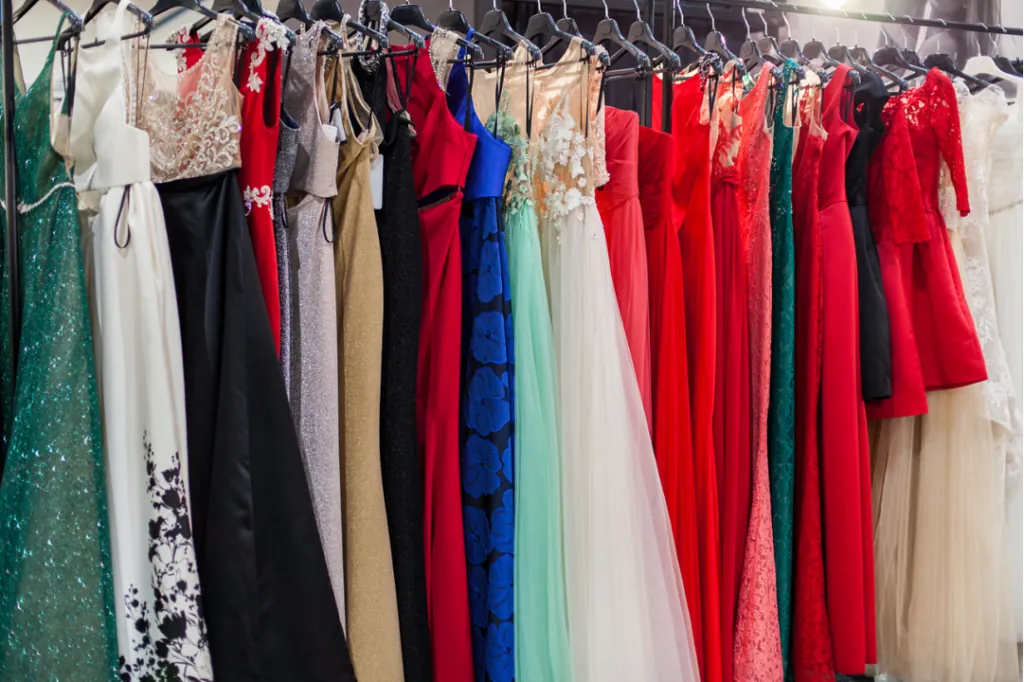
If you’re hunting for evening gowns, whether for red carpets, weddings, or luxury boutiques, China’s got you covered. Four regions dominate the industry, each with a specialty that fits different needs. Here’s your guide to picking the right one.
Most first-time importers assume “Chinese evening gown” means one thing. It doesn’t. A beaded ball gown from Chaozhou and a lightweight toast dress from Dingji are built in different towns, by different workshops, with different machinery, different labor, and different buyers in mind. Choosing the wrong hub for your price point wastes samples, freight, and months of your selling season. This guide walks through all four hubs, what each does best, and the practical checks that separate a reorder from a return.
Chaozhou, Guangdong: The World’s Heavy-Bead Capital
Chaozhou (specifically Jinshi, Caitang, Linxi, and Fuyang towns) is where “drama” meets craftsmanship. With thousands of workshops churning out over 20 million pieces yearly, 90% exported to Europe, America, and the Middle East. This is the go-to for heavy-bead gowns.
Think hand-sewn pearls, intricate embroidery, and layers of sequins that catch the light. If your clients crave showstopping pieces for galas or red carpets, Chaozhou’s artisans deliver. Their expertise in dense, detailed work makes them irreplaceable for high-end foreign trade orders.
Because the product is expensive to make, Chaozhou is the hub where your quality control matters most. Beadwork is the whole point here, so check how the embellishment is attached before you worry about anything else. Hand-sewn beads and sequins sit on visible thread on the reverse of the fabric and stay put through steaming, folding, and shipping. Glued embellishment looks identical on the front but leaves a stiff, tacky patch behind, and beads pop off the moment the gown is compressed in transit. Turn the piece inside out, look for glue residue or a rubbery backing, and gently press a fingernail against a bead cluster to see whether it lifts. On heavy styles, also count your beadwork density against your approved sample so a second production run doesn’t quietly thin out the detailing.
Lining and construction carry the price at this level. A gown this heavy needs a full lining that doesn’t scratch, clean-finished seams, and a bodice that holds its shape under the weight of the beading. Look for serged or bound interior seams, no loose threads on the facing, and a hem that hangs straight when the gown is on a form. Stitch density should be tight and even on the visible topstitching, and the bodice should be interlined so beaded panels don’t sag after a few hours of wear.
Zippers and closures fail more often than fabric does. Check that the zipper runs smoothly along its full length, that it hasn’t been stitched so tight it puckers the seam, and that both ends are bartacked so the slider can’t run off. Invisible zippers should sit flush; metal hardware should feel weighted, not hollow. Test the hook-and-eye at the top of the back closure, since that single tiny part takes the strain every time the gown is zipped.
Sizing is where Western buyers get burned. Chinese sample sizes run small, so never approve a style off a single sample in a single size. Ask for a graded spec sheet in both centimeters and inches, with finished measurements for bust, waist, hip, and length at every size you plan to stock, and compare it against your own size chart rather than the factory’s. Grading should move smoothly across the run; if the waist jumps oddly between sizes, you’ll get returns. For plus and tall ranges, confirm torso length and bodice depth separately, because these are the two measurements factories most often scale incorrectly.
Samples should be paid for, not begged for. Order a pre-production sample, approve it in writing, and seal it as your reference so bulk goods can be compared against it later. Ask whether the sample fee is credited back against your first bulk order; many workshops here will do that once volumes justify it. Keep the approved sample with your forwarder or agent rather than shipping it home, so it’s on hand for the inspection that matters.
MOQs here are the highest of the four hubs because the labor is real. Expect to commit to a per-style, per-color minimum rather than buying single pieces, and expect that mixing colors raises the floor. Freight is the quiet cost: a heavy beaded gown is not heavy in grams but it is bulky, so volumetric weight, not actual weight, drives your air quote. Ask your supplier to pack in compression bags, avoid rigid hangers, and consolidate Chaozhou orders into one shipment with any other suppliers you’re using that month. Steam-and-hang service at destination costs less than a crushed beadwork repair.
Suzhou Huqiu, Jiangsu: One-Stop for Wholesale & Variety
Suzhou’s Huqiu district is a treasure trove for retailers who want options. Focused on mid-to-high-end banquet gowns, it blends evening wear with wedding dresses, making it easy to source both in one trip.
What’s special? A huge offline market where you can touch fabrics, check stitching, and compare hundreds of styles, from classic silk to modern minimalism. It’s the heart of domestic wholesale, perfect for filling shelves with diverse designs.
The value of Huqiu is breadth, so use it that way. Walk the market, handle the fabrics, and build a shortlist of workshops by category rather than by price alone. Because you can compare hundreds of styles side by side, this is the best hub for judging whether a “silk touch” fabric actually holds up, how a gown drapes on the hanger, and whether the stitching you’re being shown matches the stitching you’ll receive in bulk.
On fabrics, ask what the shell, lining, and interlining are each made of, and ask to see the same fabric in a second colorway, since dye lots vary. Feel for cheap static-prone synthetics that cling and shine under event lighting, and check that the lining is a smooth, comfortable weave rather than a scratchy mesh. Look at how the bodice holds shape without a form inside it; good structure comes from interlining and stays, not from stiffness.
Stitching checks are quick here because you can inspect in person. Run a finger along the visible seams and look for even topstitching, no skipped stitches, and clean seam allowances. Check the zipper is set straight and that the waist seam meets cleanly at the side. Because Huqiu blends evening wear with wedding dresses, the construction standard is often higher than the price suggests, which makes it a strong hub for buyers who want a mix of banquet gowns and bridal in one container.
Grading for Western markets follows the same rules as Chaozhou: demand graded specs, provide your own size chart, and never approve on one sample. Suzhou workshops tend to be comfortable with multiple sizes per style, so this is a good hub to ask for a full size run in your pre-production sample rather than a single size.
Samples and MOQs are more flexible here than in heavy-bead territory, because much of the market is built for wholesale buyers buying across many styles. Ask for per-style minimums you can actually meet, push for the ability to split a minimum across close colorways, and ask whether any designs are available as ready stock for testing before you commit to production. Freight is still volumetric, so plan to consolidate Huqiu orders with gowns from other hubs instead of shipping them separately.
Dingji Town, Lu’an, Anhui: Budget-Friendly & Fast
Dingji is all about accessibility. This hub cranks out affordable, lightweight gowns, think simple silhouettes, subtle details, and “toast dresses” for weddings. With a focus on e-commerce and live-stream sales, they excel at small batches and quick turns.
If you’re targeting price-sensitive buyers or need to test new styles without big risks, Dingji’s your spot. No frills, just reliable quality at a fraction of the cost.
Dingji’s strength is speed and low risk, so your buying strategy here is breadth of testing, not depth of quality. Because these workshops are built around e-commerce and live-stream selling on Chinese domestic platforms, they’re used to small batches, fast turnover, and frequent style changes. That makes Dingji the right hub when you want to test a silhouette on your store before you commit real money to it.
Quality control at this price point is about triage. Beadwork is usually sparse or nonexistent, so check the embellishment for glue rather than thread and expect fewer, lighter details. Focus your inspection on the basics: is the fabric opaque and free of obvious flaws, does the lining cover the whole bodice, and do the seams hold when you pull gently at the side and shoulder? Lightweight gowns hide poor construction less well, so a quick stretch-and-release test at the waist tells you a lot.
Stitching and hardware are where budget gowns cut corners. Look for straight, even seams with no puckering, and check that the zipper is set without a wave along its length. On “toast dresses” and simple silhouettes, the hem is your fastest quality signal: an uneven or barely-finished hem points to rushed production. Ask for a photo of the actual production unit, not the catalog shot, before you approve.
Sizing for Western markets needs extra care here. Budget production often follows domestic sizing loosely, so insist on a written spec sheet in inches and centimeters and check that the hip and waist grading is consistent across sizes. Order samples in your two most important sizes, not just one, so you can see how the pattern grades before you buy.
MOQs are the lowest of the four hubs, which is exactly why Dingji is a good testing ground. Ask for small per-style minimums, mixed-color runs, and ready-stock options so you can move fast on a winner. Sample fees are typically low, and the turnaround on samples is quick, which lets you test several styles cheaply. Freight favors this hub too: lightweight gowns compress well, so ask for vacuum or tight-flat packing and consolidate Dingji orders with your other suppliers to protect the volumetric cost on air.
Guangzhou, Guangdong: Luxury Custom & Cross-Border Shine
For designer-level pieces, head to Guangzhou’s Panyu and Nancun. This is where high-end custom gowns come to life, think light luxury fabrics, unique cuts, and personalized touches for discerning clients.
Many factories here work directly with overseas brands, ensuring their designs fit Western sizing and trends. Whether it’s a couture piece for a celebrity or a sleek cross-border bestseller, Guangzhou delivers polish and exclusivity.
Guangzhou is the hub to use when you want to develop rather than just buy. Because many factories here already work directly with overseas brands, they understand Western sizing and trends and are usually the most comfortable hub with tech packs, custom patterns, and design changes. Bring a clear reference, a target customer, and your size chart, and treat this as a development relationship rather than a catalog purchase.
Fabric and beadwork QC at this level means inspecting to your spec, not the factory’s. Ask for the exact composition of every shell, lining, and interlining, and confirm the color under the lighting your customers will actually see. On embellishment, check hand-sewn work for tight, even placement and glued work for any lift or residue. On custom pieces, the finish inside matters as much as the finish outside: clean seam allowances, no exposed interfacing, and a lining that moves with the shell instead of separating from it.
Zipper, closure, and stitching checks are stricter here because custom gowns carry custom prices. Test the zipper along its full length, confirm the top closure is bartacked and the hook-and-eye aligned, and check that invisible zippers sit flush against the seam. Look for even topstitching and clean finishing at the armholes and neckline, the two places where rushed custom work shows up first.
Sizing and grading are the main reason to choose Guangzhou. Because these factories work with overseas brands, they can build to your graded size chart from the first sample, including plus and tall ranges. Provide your measurements in inches and centimeters, request a full graded spec sheet, and approve a full size run rather than a single sample so you catch grading problems before production.
Sample policy matters most here. Custom development needs a proper pre-production sample, approved in writing and sealed as your reference. Expect a development or sample cost, and ask whether it’s credited against bulk once volume justifies it. Keep the sealed sample in China for inspection. MOQs follow your development scope rather than a flat catalog minimum, so be upfront about your realistic quantities and ask for terms that match a small boutique rather than a mass order. Freight from Guangzhou benefits from consolidation: pair these orders with your Chaozhou or Suzhou production, pack flat with compression, and avoid shipping single custom gowns on their own air waybill.
Comparing the Four Hubs at a Glance
| Hub | Location | Strength | Typical products | Best for |
|---|---|---|---|---|
| Chaozhou | Guangdong — Jinshi, Caitang, Linxi, Fuyang | Heavy beadwork and hand-sewn embellishment | Beaded evening gowns, gala and red-carpet pieces | High-end foreign trade buyers wanting showstoppers |
| Suzhou Huqiu | Jiangsu — Huqiu district | One-stop wholesale market with huge variety | Mid-to-high-end banquet gowns, evening wear and wedding dresses | Retailers filling shelves with diverse designs |
| Dingji | Anhui — Lu’an | Budget-friendly, fast turns, small batches | Affordable lightweight gowns, simple silhouettes, toast dresses | Price-sensitive buyers testing new styles at low risk |
| Guangzhou | Guangdong — Panyu and Nancun | Luxury custom and designer-level finishing | High-end custom gowns, couture pieces, cross-border bestsellers | Brands wanting Western sizing and exclusivity |
Frequently Asked Questions
Which hub should I start with as a small boutique?
Start with the hub that matches your price point and your tolerance for commitment. Dingji is the lowest-risk entry because it runs small batches and quick turns, so you can test silhouettes cheaply. Suzhou Huqiu is the best second step if you want variety and the ability to inspect fabrics and stitching in person before you commit. Move to Chaozhou or Guangzhou once a style proves itself and you’re ready to order at a higher minimum.
How do I tell hand-sewn beadwork from glued beadwork?
Turn the garment inside out. Hand-sewn beads and sequins sit on visible thread on the reverse, while glued embellishment leaves a stiff or tacky backing patch behind. On the front, press a fingernail gently against a bead cluster and see whether it lifts. Hand-sewn work holds through steaming and folding; glued work sheds beads once the gown is compressed in transit.
Why do Chinese samples fit smaller than my Western size chart?
Domestic sample sizes are typically built to a smaller body standard, so a single sample can look two sizes off your chart. Never approve a style from one sample in one size. Ask for a graded spec sheet in both centimeters and inches covering bust, waist, hip, and length at every size you plan to stock, and compare it against your own chart rather than the factory’s.
How many samples should I order before production?
At minimum, one pre-production sample that you approve in writing and seal as your reference for the bulk run. For higher price points and for anything you plan to stock across a size range, order your two most important sizes, or a full size run, so you can see how the pattern grades before you commit. Keep the sealed sample in China so it’s available at inspection.
What MOQ should I expect for a small order?
It depends on the hub more than the product. Higher-labor hubs such as Chaozhou carry the highest minimums, typically per style and per color, and mixing colors raises the floor. Budget hubs such as Dingji run the lowest minimums and often offer mixed-color runs or ready stock. Suzhou Huqiu and Guangzhou sit in between, with terms that can be shaped around your realistic volumes if you agree them before sampling.
Do gowns ship by air or sea, and how do I keep freight down?
Gowns are light in grams but bulky in volume, so air freight is priced on volumetric weight rather than actual weight. Compress every garment into tight flat or vacuum packing, skip rigid hangers, and consolidate orders from multiple hubs into a single shipment instead of sending them separately. For larger orders where speed is not critical, sea freight protects your margin on volume.
Still not sure which hub fits your next collection? Select Trade works with suppliers we have audited across all four regions and can put together a shortlist matched to your price point, size range, and target market. Reach out through our contact page and tell us what you’re sourcing, your quantities, and where you sell; we’ll send back a factory shortlist and sample catalog tailored to your order.
