
China’s Cup Factories by Material: Steel, Ceramic, Glass
China’s Cup Factories by Material: Where to Source Stainless Steel, Ceramic, Glass & Plastic Cups
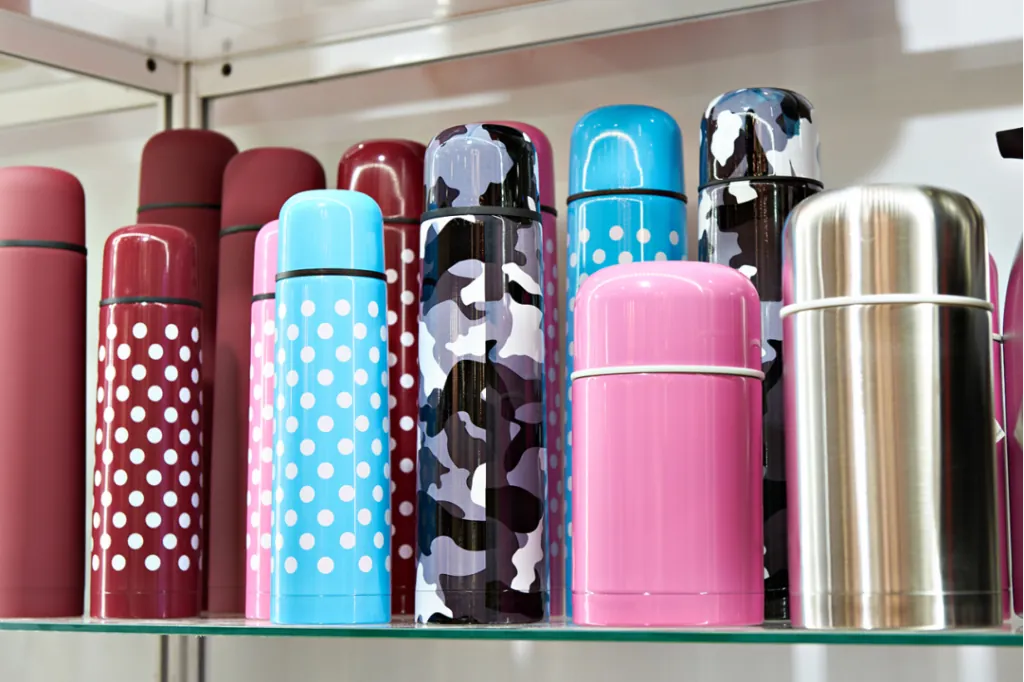
Whether you need a sleek stainless steel thermos, a colorful ceramic mug, or a durable plastic water bottle, China’s regional hubs specialize in specific materials. This matters more than most buyers expect: the factory that makes an excellent vacuum flask usually cannot make a good porcelain mug, and vice versa. Choosing the right cluster first, then the factory, is the fastest path to quotations you can actually compare. Here’s your no-fuss guide to finding the right factory for every cup type — plus the MOQ logic, cost drivers, compliance rules, and inspection points that apply to this category.
Stainless Steel Thermoses & Bottles: The Most Popular Category
- Yongkang & Wuyi (Zhejiang): Called “China’s Cup Capital,” these cities produce over 70% of the country’s stainless steel thermoses. Major manufacturers like Haers and Xinuo are based here, with full supply chains that keep costs low. Ideal for bulk orders, exports, and everything from basic models to vacuum-sealed, temperature-controlled designs. Our overview of wholesale kitchenware and drinkware from China shows how these items sit in a mixed-category order.
- Jieyang (Guangdong): A key export hub for stainless steel cups, focusing on consistent quality for global markets.
Ceramic Cups
- Chaozhou (Guangdong): The king of everyday ceramic mugs — coffee cups, tea mugs, and printed designs. Factories here excel at large-scale production and vibrant prints, with most output heading to export markets.
- Dehua (Fujian): Specializes in high-end white porcelain, artistic ceramic cups, and tea sets. If you want premium, handcrafted quality, this is your spot.
- Jingdezhen (Jiangxi) & Liling (Hunan): Known for luxury ceramic cups, gift sets, and artistic designs, perfect for branded merchandise or collectibles.
Glass Cups
- Hebei: The source of heat-resistant borosilicate glass cups — those trendy double-walled mugs and social-media-famous designs. It’s the largest producer in China, offering variety and competitive pricing.
- Linyi (Shandong): Focuses on everyday glass cups, office mugs, and simple tumblers, sold at wholesale prices. Great for budget-friendly bulk orders.
Plastic Cups & Sports Bottles
- Taizhou (Zhejiang): Leads in plastic mold technology, producing kids’ cups, sports water bottles, and basic plastic tumblers at low costs. Perfect for large orders where price matters most.
- Dongguan & Shenzhen (Guangdong): Specialize in high-end plastic cups — Tritan material, food-grade safety, and custom designs. They also make smart cups with temperature sensors and serve export clients needing premium quality.
How Cup MOQs Work
Cup MOQs are shaped by tooling and material minimums more than by factory preference:
- Stainless steel. If the factory already runs your shell size and lid type, MOQs stay moderate. A new shell mold, a custom lid, or a special coating pushes it up, because the steel tube supplier and the spray line each have their own minimums.
- Ceramic. The kiln is the constraint. A stock shape in a standard glaze is easy to schedule; a custom decal print needs a print-run minimum, and a new shape needs a gypsum mold plus kiln space, which raises the MOQ noticeably.
- Glass. Borosilicate double-wall designs are mold-dependent; stock molds keep MOQs friendly, custom shapes do not.
- Plastic. Entirely mold-driven. A stock bottle body with a printed logo is flexible; a new body or cap means injection mold tooling and a corresponding MOQ to amortize it.
Practical advice: test a stock product first. Through our service, sample orders and trial purchases can start from a single piece (custom tooling projects are the exception), so you can check insulation performance, lid fit, and print quality before committing to volume.
What Actually Drives the Cost of a Cup
- Material grade. 304 vs 201 stainless steel, Tritan vs ordinary plastic, real borosilicate vs soda-lime glass — each step up in material costs more and matters more for food contact.
- Vacuum process. For thermoses, the vacuuming method and quality control on the vacuum layer separate serious factories from careless ones, and it shows in both price and performance.
- Lid complexity. Lids carry gaskets, springs, and moving parts. A complicated lid can cost as much as the shell — and cause most of the leak complaints later.
- Decoration. Spray coating, electroplating, decals, sublimation printing, and laser logos are priced very differently per unit and per color.
- Testing and packaging. Food-contact testing is billed per material group and color; retail-ready boxes add cost that quotes on a plain carton will not show.
Raw material prices move with the steel and plastics markets, so reconfirm quotations in writing for each new order rather than reusing last season’s numbers.
Compliance: Food-Contact Rules You Should Know Before Ordering
Cups and bottles are food-contact products, and the rules attach to the materials you choose:
- United States. Food-contact surfaces must comply with FDA food-contact requirements; plastic parts are commonly tested for BPA and related substances. If you sell into California, Proposition 65 warnings matter for certain materials — especially ceramic glazes (lead and cadmium).
- European Union. Food-contact materials fall under the EU framework regulation with national rules such as Germany’s LFGB, which is often the de facto benchmark buyers request. Ceramic tableware has specific lead and cadmium migration limits.
- Claims discipline. “BPA-free”, “18/8 stainless”, and “borosilicate” are testable claims. Ask for the test report that matches your material group and colors — an old certificate for a different SKU is a starting point for verification, not a substitute for it.
As a rule on all projects we handle, third-party testing fees are extra costs, confirmed with you in advance — along with freight — before anything is booked.
Quality Checks for Cups and Bottles
Drinkware fails in specific, predictable ways, so the checklist is category-specific:
- Insulation performance. For vacuum products, fill with hot water and measure temperature retention at defined intervals — the single most common gap between sample and bulk quality.
- Leak and drop tests. Sealed inversion, lid cycling, and loaded drops expose gasket and thread problems early.
- Thermal shock (glass and ceramic). Rapid hot-to-cold transitions reveal weakening or cracking risks, especially for double-wall designs.
- Coating and print durability. Adhesion, dishwasher-cycle resistance, and rub tests on printed logos and sprayed exteriors.
- Capacity and dimension. Fill-line tolerance against the declared volume — a frequent marketplace complaint when skipped.
How inspection works with us, in three clear tiers. First, as part of our standard service, goods that arrive at our Guangzhou warehouse go through a receiving check — quantity, packaging, and visible defects, within the scope agreed for your order. Second, factory audits, during-production checks, and pre-shipment inspection are available as optional services, quoted per project and delivered with reports and photos. Third, external costs — freight and third-party testing — are always confirmed upfront.
Common Pitfalls When Sourcing Cups from China
- Sample was a premium unit; bulk used a cheaper steel or thinner wall. Fix the golden sample, the material grade, and the wall thickness in writing before production.
- Vacuum failures discovered after arrival. A percentage of thermoses in any careless batch will have weak vacuum. Decide before production how performance will be tested and on what sampling basis.
- Ceramic lead/cadmium paperwork missing. Glaze compliance is testable; do not wait for a marketplace or customs question to find out yours is not documented.
- Lid gaskets that age badly. Silicone vs ordinary rubber changes both cost and longevity — specify it.
- Print fades in the dishwasher. If you advertise dishwasher-safe, the decoration must survive it. Agree the cycle count to be tested.
Frequently Asked Questions
Which hub should I choose for stainless steel thermoses?
Yongkang and Wuyi in Zhejiang for the widest supply chain depth and export experience; Jieyang in Guangdong for stainless cups focused on consistent export quality. The right choice also depends on your order size and customization level.
What is the typical MOQ for cups and bottles?
Stock shapes and standard glazes or shells carry moderate MOQs; new molds, custom decals, or special coatings raise them. Sample orders through our service can start from a single piece (custom tooling excepted).
Which certificates do cups need for the US or EU?
US: FDA food-contact compliance, commonly with BPA-related testing, plus California Proposition 65 review for ceramics. EU: the food-contact framework with LFGB often requested, and lead/cadmium migration limits for ceramic ware. Third-party testing fees are confirmed in advance before booking.
How is cup quality checked?
In three tiers: a receiving check at our Guangzhou warehouse is included in our standard service (quantity, packaging, visible defects, per the agreed scope); factory audits, during-production checks, and pre-shipment inspection are optional services quoted per project with reports and photos; external costs are confirmed upfront.
What does a sourcing company charge?
Our service fee starts at 5% — the full breakdown is published on our pricing page.
Talk to a Team That Sources in These Clusters
Since 2021, Select Trade has supported 798+ buyers across five continents, drawing on 1,500+ factory resources across China’s manufacturing clusters and 5,815+ products sourced. If you are evaluating a cup or bottle product, add us on WhatsApp: 008613202073761. Let us know you’re sourcing drinkware and where you found this guide — we’ll point you to the right cluster and help you compare quotations on equal terms.
