
Wholesale Stock Wedding Gowns from China
A stock gown is the volume product of the bridal trade. The pattern exists, the sizes are cut to a set, and the buyer’s job is to pick a silhouette that sells, agree the fabric and packaging, and receive cartons that match the sample. It is also the product where a small fabric substitution travels furthest, because a wedding dress is worn once, photographed all day, and judged for ever.
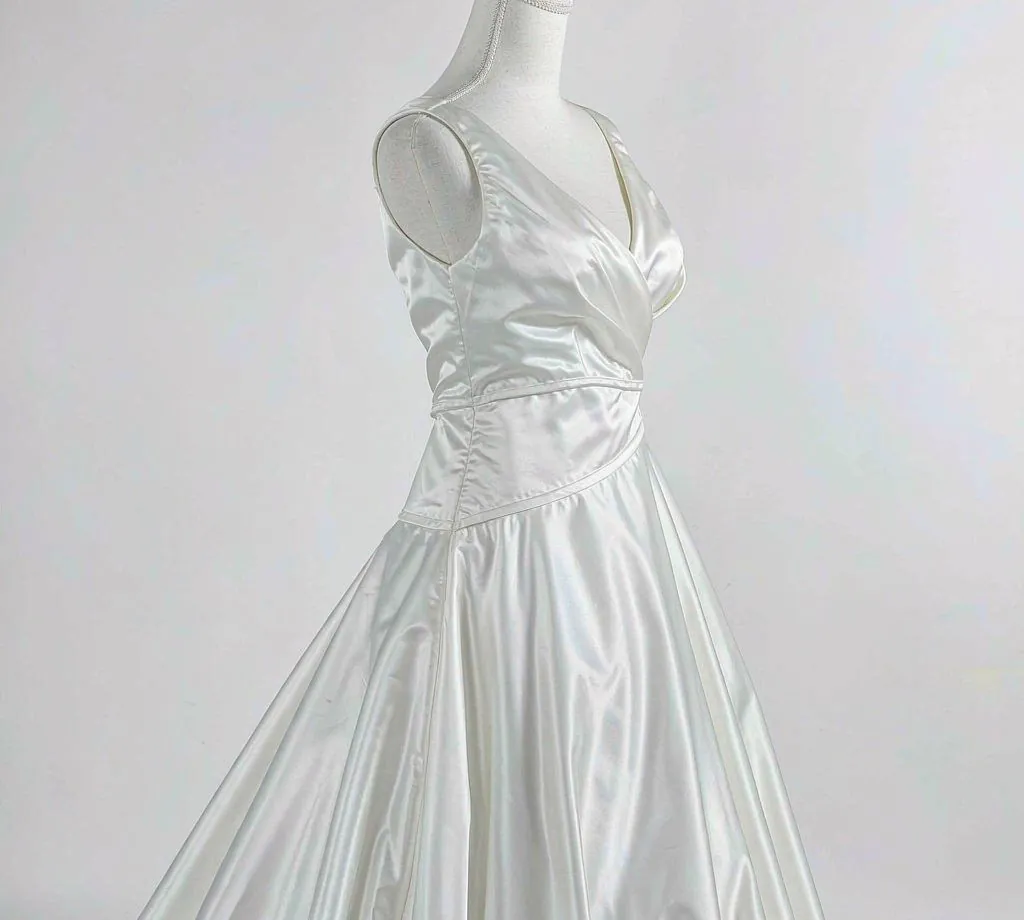 The photograph shows a representative gown from the category. Silhouette, fabric and size range follow the order sheet, and the image is illustrative rather than a picture of your goods.
We have sourced gowns out of the Suzhou Huqiu cluster for five years. The same three failures come back. A lining quietly dropped or thinned, which shows as a sheer skirt in daylight. A zipper that tests fine on the sample and splits at the seam in bulk. And a size set cut to the factory’s own block rather than the buyer’s market, so every size in the box fits half a size differently.
This page covers what the fabric and size words mean, what belongs on the order sheet, and the checks that catch a weak lot. The cluster structure behind the category is in our wholesale wedding dresses overview.
Fabric, lining and structure: the three decisions
The face fabric sets the look. Duchess satin, soft tulle, chiffon and mikado each behave differently in a photograph, and they each have honest and dishonest versions: a polyester satin with a good hand reads close to silk in a shop, while a thin one reads like costume. The grammage and the fibre content belong on the order sheet, because both are the first things a factory trims when a price is squeezed.
The lining is the quiet quality marker. A lined bodice and a lined skirt cost more and feel entirely different; a single-layer skirt in a light fabric is transparent the moment the light is behind it. Dropping or thinning the lining is the most common substitution between sample and bulk in this category, and it is invisible on a hanger in the factory.
Structure decides how the gown holds its shape. Boning in the bodice, a proper waist stay, and a hem finished with weight are the details that make an inexpensive gown wear like an expensive one. They are also the details most often removed because nobody listed them, which is why the construction list belongs in the specification rather than in trust.
Specifications and minimum order
Our minimum order is 1 piece, so you can start with a single unit and scale up once the sample is approved. Every line below changes what the factory cuts. We do not print prices or schedules here, because fabric prices and workshop calendars both move; send us the silhouette, the size set and the quantity, and we come back with a live quotation and a firm production slot.
| Specification | What to confirm before you order |
|---|---|
| Silhouette | the shape named, referenced to a physical sample retained by both sides |
| Face fabric | fibre content and grammage, stated, with a swatch kept as reference |
| Lining | whether bodice and skirt are lined, and the lining fabric named |
| Size set | the sizes and the measurement chart they are cut to, per size |
| Closure | zipper spec and lace-up construction, named by type |
| Train length | stated in centimetres, since it changes fabric use and packing |
| Minimum order | stated per size set, since each size is cut within the same run |
Minimums in stock gowns are modest because the pattern exists, and the honest variable is the size mix rather than the total. Our sourcing service covers the factory screening, the sample round and the inspections below.
What the size words mean in practice
Chinese factory blocks and Western retail blocks differ, and the difference is a half-size that every customer feels. The reliable fix is to supply the measurement chart the sizes must hit, in centimetres, per size, and to require the factory to measure finished pieces against it. A gown that matches the chart is a gown that matches the market.
Grading is the second half of the size question. A gown graded from a size-8 base scales differently from one graded to fit each size individually, and the difference appears at the larger sizes first. Ask how the size set was graded, and check the top and bottom sizes against the chart at inspection, because that is where grading shortcuts surface.
Two commercial points complete the set. Bridal cartons travel folded, and a gown that arrives in creases that will not press out is a return, so the folding method and the tissue matter. And the zipper is the part that fails in the fitting room, which makes it worth naming by type rather than accepting whatever is on the table.
What belongs in the purchase order
One page attached to the PO is what protects the reorder. Cover these points:
- Silhouette and the physical sample both sides retain as reference
- Face fabric and lining, each with fibre content and grammage
- Measurement chart per size, in centimetres, with the grading method stated
- Closure and construction list: zipper type, boning, waist stay, hem finish
- Folding, tissue and hanger specification for the carton
- A penalty clause if the bulk lot differs from the approved sample
Inspection points that catch a weak lot
These checks find what a product photograph cannot:
- Measure every size. Check the top and bottom sizes of the set against the chart. Grading shortcuts appear at the extremes first.
- Hold it to the light. Raise the skirt against daylight with the lining in place. Sheerness shows immediately and it is the top complaint.
- Work the zipper. Zip and unzip bulk gowns fully, and stress the seam at the stop. A zipper that parts at the seam fails in the fitting room.
- Check the construction. Look for the boning, waist stay and hem weight the specification named. Removed structure is invisible on a hanger.
- Open a carton. Unpack a gown from the middle of the stack and judge the creasing after the folding method was applied.
An independent inspection before loading catches all five at the cheapest point, and in bridal the lining and size checks are the two that protect the reorder. Factory inspection covers this category, and the factory towns behind it are mapped in our bridal factory guide.
Frequently asked questions
Stock or made-to-order for a first bridal order?
Stock, almost always. The pattern risk is gone, the sizes are set, and the buyer learns what their market actually wants before committing to made-to-measure programmes. The exception is a brand built on a specific fit, where the measurement chart matters more than the speed.
How do I keep sizes consistent between orders?
Own the measurement chart. Supply it in centimetres per size, require finished pieces to be measured against it, and check the extreme sizes at inspection. A factory that grades to its own block today will grade to a different one next season unless the chart is in the contract.
What ruins a stock gown in transit?
Folding and moisture. A gown packed tightly without tissue arrives in hard creases, and a carton that rides a humid container arrives with a smell and water marks. Both are packing specifications, both cost little, and both belong on the purchase order.
Request a quotation
Send the silhouette, the size set, the fabric and the quantity you need, plus the market you sell into. We come back with factory options and current bands within two business days.
