
Wholesale Beaded Evening Dresses from China
Beaded evening dresses are the volume sibling of the bridal bead trade. The same Chaozhou workshops apply the beads, but the gowns sell into a faster market: party and occasion retail, where colours change by season, sizes run deeper, and the customer tries the dress on in a hurry and judges it in one mirror moment.
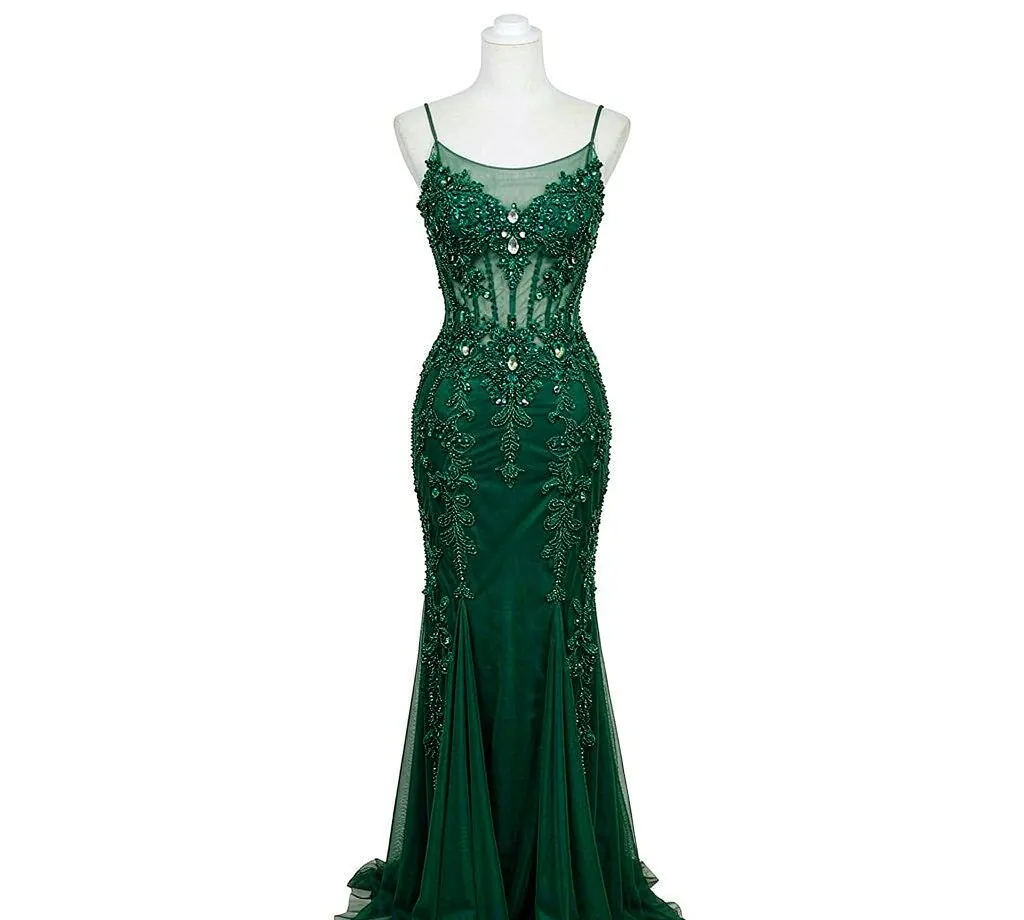 The photograph shows a representative dress from the category. Bead density, colour and size range follow the order sheet, and the image is illustrative rather than a picture of your goods.
We have sourced evening dresses out of the Chaozhou belt for five years. The same three failures come back. Bead density thinned between the sample and the bulk run, exactly as it is in bridal. Stretch panels sewn with the wrong stitch, so the first wear pops the seam. And a size set graded from a small base, so the larger sizes fit nothing like the sample.
This page covers what the beadwork and stretch words mean, what belongs on the order sheet, and the checks that catch a weak lot. The wider cluster picture is in our wholesale wedding dresses overview.
Beadwork, stretch and structure
The beadwork follows the same rules as bridal: named materials, density measured against a retained sample, and application method in writing. Evening wear adds a practical twist. The gowns move more, sit more and get stepped on more, so the hem and the seat of the dress take abuse bridal never sees. Bead panels in those zones need the finishing standard written down, or the first customer evening does the testing.
Stretch is the evening trade’s own variable. Bandage and heavy-elastane panels hold a shape and show a figure, and they need stretch-specific stitching and thread. A seam sewn with a straight lockstitch holds until the first squat and then pops audibly. The stitch type belongs on the specification, and the pull test on the bulk is how it is verified.
Structure is the third decision. Built-in cups, boning and a proper zip or lace-up decide whether the dress carries itself, and they are the details a factory removes first because nobody listed them. A lined bodice hides the thread work and protects skin from beads, and it is worth its line in the specification.
Specifications and minimum order
Our minimum order is 1 piece, so you can start with a single unit and scale up once the sample is approved. Every line below changes what the workshop builds. We do not print prices or schedules here, because beadwork labour and fabric inputs both move; send us the design, the size set and the quantity, and we come back with a live quotation and a firm production slot.
| Specification | What to confirm before you order |
|---|---|
| Bead mix and density | materials named and density measured against the retained sample |
| Stretch panels | fabric and stitch type named, since straight stitching fails under wear |
| Structure | cups, boning and lining, itemised rather than implied |
| Closure | zipper or lace-up, named by type and tested on the bulk |
| Size set | sizes with the measurement chart per size, in centimetres |
| Hem and seat | the finishing standard for the zones that take the most wear |
| Minimum order | stated per colour and size set, since each colour is its own bead run |
Minimums in this category are hand-driven, and one colour in a tight size set runs far more consistently than a spread. Our sourcing service covers the workshop screening, the sample round and the inspections below.
What the grading words mean in evening wear
Evening sizes are graded from a base size, and the stretch fabrics that make the category flattering also hide grading shortcuts. A size set graded carelessly fits at the small end and struggles at the large end, which is exactly where the returns concentrate. The fix is the chart: measurements per size, in centimetres, checked at the extremes of the set on bulk pieces.
Colour is the other seasonal variable. Beaded dresses sell by colour, and each new colour is its own bead run and its own dye lot. A launch across six colours multiplies the setup and multiplies the chances of shade drift between runs. Holding the first order to two or three colours is the consistent way to start.
Two practical points complete the picture. Beaded hems shed in the stockroom unless the finishing standard is enforced, and the shake test at inspection is the cheap way to enforce it. And a dress that needs a specific undergarment to look right should say so on the label, because the customer’s first mirror moment decides the return.
What belongs in the purchase order
One page attached to the PO is what protects the reorder. Cover these points:
- Bead mix and density measured against the retained sample, per panel
- Stretch fabrics and stitch types, named, with the seam requirement
- Structure list: cups, boning, lining and hem finishing
- Closure type, tested, with the zipper quality named
- Size chart in centimetres per size, with the grading method stated
- A penalty clause if bulk density or grading falls below the approved sample
Inspection points that catch a weak lot
These checks find what a product photograph cannot:
- Count against the sample. Compare bead density on bulk panels with the retained sample, area for area.
- Pull the stretch seams. Stretch a seam by hand on bulk pieces. A straight-lockstitch seam pops visibly where a proper stitch holds.
- Shake the hem. Shake each sampled gown over a clean surface and count what sheds.
- Measure the extremes. Check the largest and smallest sizes of the set against the chart, where grading shortcuts appear.
- Work the closure. Zip and unzip bulk dresses fully and stress the seam at the stop.
An independent inspection before loading catches all five at the cheapest point, and the grading check is the one that protects the size curve of an entire season. Factory inspection covers this category, and the workshops behind it are mapped in our evening gown hubs guide.
Frequently asked questions
How many colours should a first evening order carry?
Two or three. Each colour is its own bead run and its own dye lot, so a spread of colours multiplies setup and shade risk before the market has told you anything. A tight first order ships consistently and tells you what to reorder.
Are stretch panels and beads compatible?
Yes, but only with the right stitch and the right bead layout. Beads across a high-stretch zone pop off with wear, so the design should concentrate beadwork where the fabric moves least. The stitch type for stretch panels belongs on the specification either way.
Why do larger sizes fit so differently from the sample?
Grading. A size set graded carelessly from a small base drifts as it scales up, and stretch fabric hides the drift until the customer tries it on. A measurement chart per size, checked at the extremes on bulk pieces, is the fix.
Request a quotation
Send the design reference, the size set, the colours and the quantity you need, plus the market you sell into. We come back with workshop options and current bands within two business days.
