
Wholesale Stainless Ball Valves from China
The stainless ball valve is the quarter turn workhorse of plumbing, process and industrial lines, and the foundry towns of Zhejiang and Wenzhou supply most of the world. The product is simple and its failure modes are not: a seat that deforms under heat, a body cast in the wrong alloy, and threads that never quite seal are the three stories every buyer eventually learns.
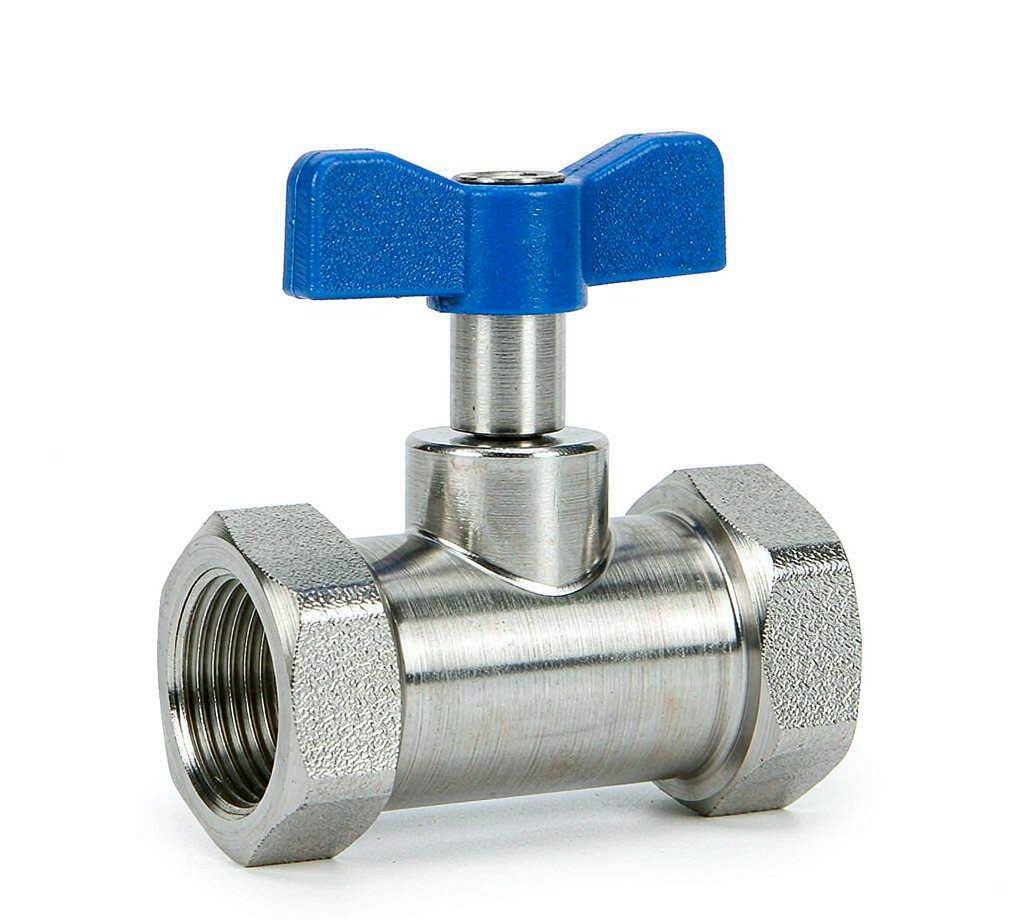
The failures: bodies marked 316 that are 304 under a spectrometer, seats that weep at temperature because the PTFE grade was cheapest available, and thread gauges that will not accept the fittings they were sold to mate with.
All three are testable with instruments smaller than the valve. The category context is in our industrial supplies overview.
Body, seat and the thread standard
Bodies are investment cast or forged in CF8 (304 equivalent) and CF8M (316 equivalent), and the alloy is a certification question verified by spectro analysis, because the difference between the two grades is corrosion resistance that matters in chloride service. Seats and seals are PTFE grades, and their temperature and pressure envelopes decide the valve’s rating.
Threads follow standards: NPT, BSP in its parallel and tapered forms, and the standard named on the PO decides what the valve mates with on the customer’s side. A mixed standard shipment is the fastest way to a full return. Pressure rating, quoted as working pressure with the temperature note, is the third specification line.
Specifications and minimum order
Alloy and seal prices move with nickel and polymer markets, so live figures come with the quotation. Fix these points.
| Specification | What to confirm before you order |
|---|---|
| Body alloy | CF8 or CF8M, verified by spectro on bulk castings |
| Seat and seals | PTFE grade, with the temperature and pressure envelope |
| Pressure rating | Working pressure stated with the temperature reference |
| Thread | NPT or BSP variant, gauged per batch |
| Operation | Lever type, stem sealing, and the cycle count standard |
| Testing | Shell and seat leak test protocol, run on bulk units |
| Minimum order | Hundreds per size in practice; foundry batches and machining setups set the floor |
Our minimum order is 1 piece, so a gauged, pressure tested sample is approved before any production commitment. The production minimum follows the size and foundry batch, and we confirm it against your specification. Our sourcing service screens foundries and machining plants as one chain, because the alloy promise is made at the melt.
Alloy verification is the whole game
The valve trade’s oldest substitution story is 304 sold as 316, and it survives because the two look identical and the difference only appears in corrosive service. A handheld spectrometer reads the alloy on bulk castings in seconds, and it is the standard check for any stainless order that carries a grade claim.
Seat and shell testing is the second spine: pressurise the shell, then the closed seat, and look for weep. The test rig is standard factory equipment, and running it on bulk units rather than first articles is the discipline that separates the foundries we buy from. Our quality assurance service writes both into the order.
What belongs in the purchase order
- Body alloy with the spectro verification standard
- Seat and seal grade with the pressure and temperature envelope
- Working pressure rating with the temperature reference
- Thread standard named, gauged per batch
- Stem sealing and cycle count standard
- Shell and seat test protocol on bulk units
Checks that catch the repeat failures
- Spectro read. Analyze bulk castings against the grade claim; the alloy question ends in seconds.
- Pressure test. Shell test then seat test bulk units at the rated pressure; weep shows immediately.
- Thread gauge. Gauge bulk threads with the correct standard’s ring and plug gauges.
- Cycle test. Operate bulk valves through fifty cycles; stiff or leaking stems show by then.
- Marking check. Verify the body marking matches the alloy and pressure rating on the box.
These checks are standard work in a pre shipment inspection, and our factory inspection service covers foundry and machining plants. For the fuller method, see our pre shipment inspection guide.
Frequently asked questions
How do I know it is really 316?
A spectrometer reading on bulk castings, matched to the marking and the mill certificate. The reading takes seconds and settles the most common substitution in the category. Our minimum order is 1 piece for sampling either grade.
Which thread standard should I order?
The one your customer’s fittings use, named on the PO: NPT for North American service, BSP variants for Commonwealth and European markets. We gauge every batch against the named standard so the shipment mates on arrival.
What is the usual failure in cheap valves?
Seat weep at temperature, then stem leaks after a season of cycling. Both are bench tests on bulk units, and both are cheaper in Guangzhou than in a shut down line.
Request a quotation
Send the sizes, alloy and thread standard, and your market. We come back with foundry options plus the workable minimum within two business days.
