Wholesale Miniature Contactors from China
The miniature contactor is the switching heart of motor control: a coil, a magnetic circuit and silver based contacts that make and break load current thousands of times. It is sold by frame current and application rating, AC1 for resistive, AC3 for motors, and the rating printed on the body is a claim about contact material and endurance that the buyer either verifies or discovers.
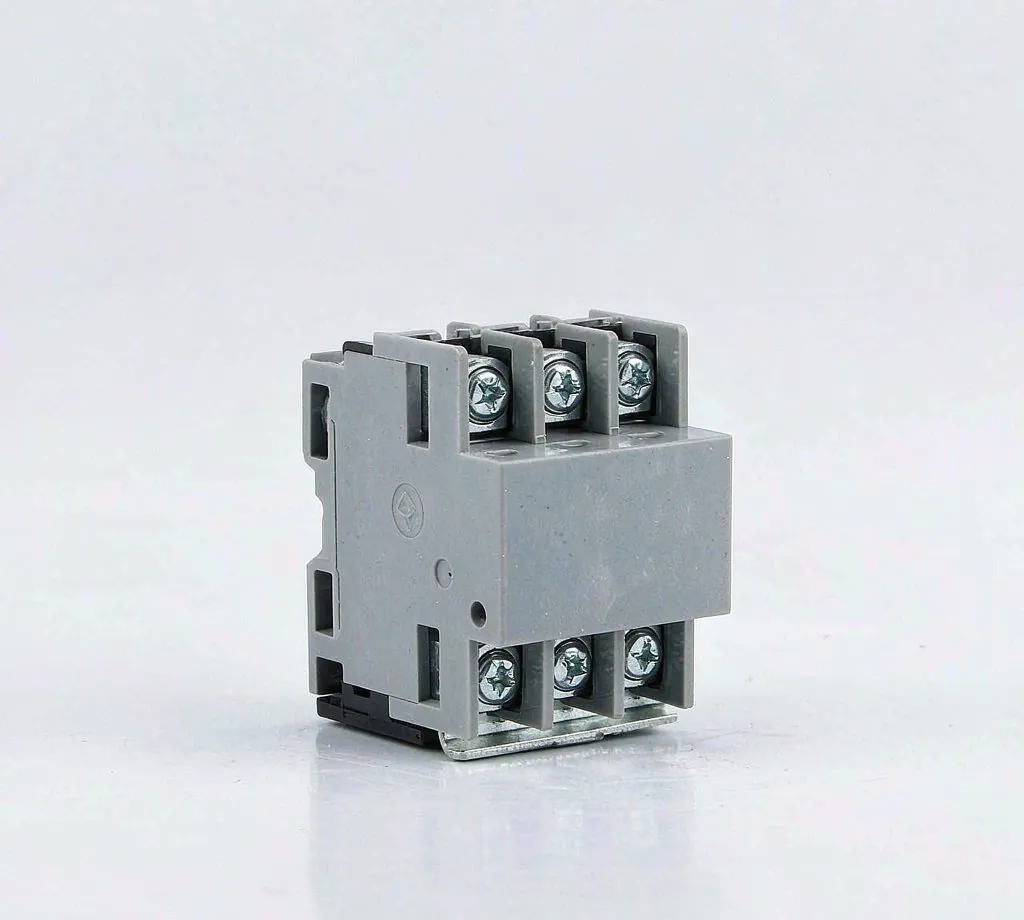
The failures: contacts that weld under motor inrush because the material was brass plated silver, coils that burn because the voltage tolerance window was generous on paper and narrow in reality, and terminal screws that strip on the first install.
All three are testable on a bench. The category context is in our industrial supplies overview.
Contacts, coil and the rating system
Contact material is the endurance story: silver alloys with cadmium oxide or tin oxide additions resist the welding that motor inrush causes. The frame current, nine amperes in this size, is thermal; the application ratings, AC1 and AC3, describe what the contacts survive in switching duty, and the AC3 figure is the one motor buyers actually need.
The coil is the second engineering axis: voltage variants, 50 and 60 hertz behaviour, and the pick up and drop out voltage windows that decide whether the contactor behaves through a brownout. Terminals, enclosure and mounting rail compatibility are the installation side, and their tolerances decide whether the product is a pleasure or a fight to install.
Specifications and minimum order
Silver and copper prices move with the metals market, so live figures come with the quotation. Fix these points.
| Specification | What to confirm before you order |
|---|---|
| Frame | Rated thermal current, and the AC1 and AC3 ratings stated |
| Contacts | Silver alloy family named, with the welding resistance basis |
| Coil | Voltage variants, frequency behaviour, pick up and drop out windows |
| Endurance | Electrical and mechanical cycle standards, tested |
| Terminals | Screw type and torque, rail mount compatibility |
| Standards | Electrical safety certification for your market, model matched |
| Minimum order | Hundreds per coil voltage in practice; certification sets the floor per model |
Our minimum order is 1 piece, so a cycled, load tested sample is approved before any production commitment. The production minimum follows the coil variant and certification, and we confirm it in writing. Our sourcing service screens the electrical plants, which range from standards driven to assembly shops.
The endurance test is the rating’s proof
Electrical endurance, cycles under load at the stated rating, is what separates a real contactor from a labelled one, and the bench test is exactly that: switch the rated load through thousands of cycles and inspect the contacts. Welded or eroded contacts answer the material question permanently.
Certification is the second spine. Electrical products carry safety marks per market, and the certificate must name the model, matching the carton. Our quality assurance service assembles both verifications, and our supplier verification guide covers the paperwork method.
What belongs in the purchase order
- Frame current with AC1 and AC3 ratings stated
- Contact silver alloy family named
- Coil voltage variants and the pick up and drop out windows
- Electrical and mechanical endurance standards, tested
- Terminal type, torque and rail compatibility
- Safety certification matched to the model and market
Checks that catch the repeat failures
- Load cycling. Switch rated load through a compressed cycle set on bulk units; welding and erosion show on the contacts.
- Contact material check. Cut open a bulk contactor and verify the silver alloy family.
- Coil window test. Vary the coil voltage on a bench supply; the pick up and drop out behaviour shows the window.
- Terminal torque. Tighten bulk terminals to spec; stripping screws fail on the first install.
- Certificate match. Match the safety certificate to the model in the carton.
These checks are standard work in a pre shipment inspection, and our factory inspection service covers electrical component plants. For the fuller method, see our pre shipment inspection guide.
Frequently asked questions
AC1 or AC3 rating?
AC1 describes resistive switching; AC3 describes motor duty with its inrush, and it is the rating motor buyers need. Both can be printed; the endurance test is what makes them true, and we state both on the box only after the bench proves them. Our minimum order is 1 piece for sampling either duty.
Can we order specific coil voltages?
Yes, coils are built per voltage and frequency, and the pick up and drop out windows belong on the PO. Volume per voltage sets the minimum, which we confirm before you commit.
Why do cheap contactors weld closed?
Contact material. Silver alloy with the right oxide addition resists inrush welding; brass plated to look like silver does not, and the cut open check settles it in a minute.
Request a quotation
Send the frame size, coil voltages and your market. We come back with factory options plus the workable minimum within two business days.