
Wholesale Synthetic Braiding Hair from China
Synthetic braiding hair is the volume line of the whole hair category. Packs ship by the tens of thousands to braiding studios, beauty supply shops and market traders, and the product itself is simple: kilograms of heat-resistant fibre folded into retail packs. That simplicity is exactly why it is easy to buy badly. Fibre that looks identical in a listing photograph can differ in flame retardance, colour fastness and how it behaves the first time a braider dips it in hot water.
We have sourced braiding hair out of Xuchang, Qingdao and the Yiwu trading belt for five years. Three failures keep coming back. Colour drifts between production lots sold under the same shade number. Fibre described as flame retardant arrives with no treatment at all. Packs sold as pre-stretched turn out to be plain jumbo fibre run through a cutter, which springs back at the fold. None of these problems are visible in a photograph.
This page covers what the fibre words actually mean, what belongs on the order sheet, and the checks that separate a packable lot from a returned one. It sits alongside our human hair bundles programme, and the wider cluster picture is in our wholesale wigs overview.
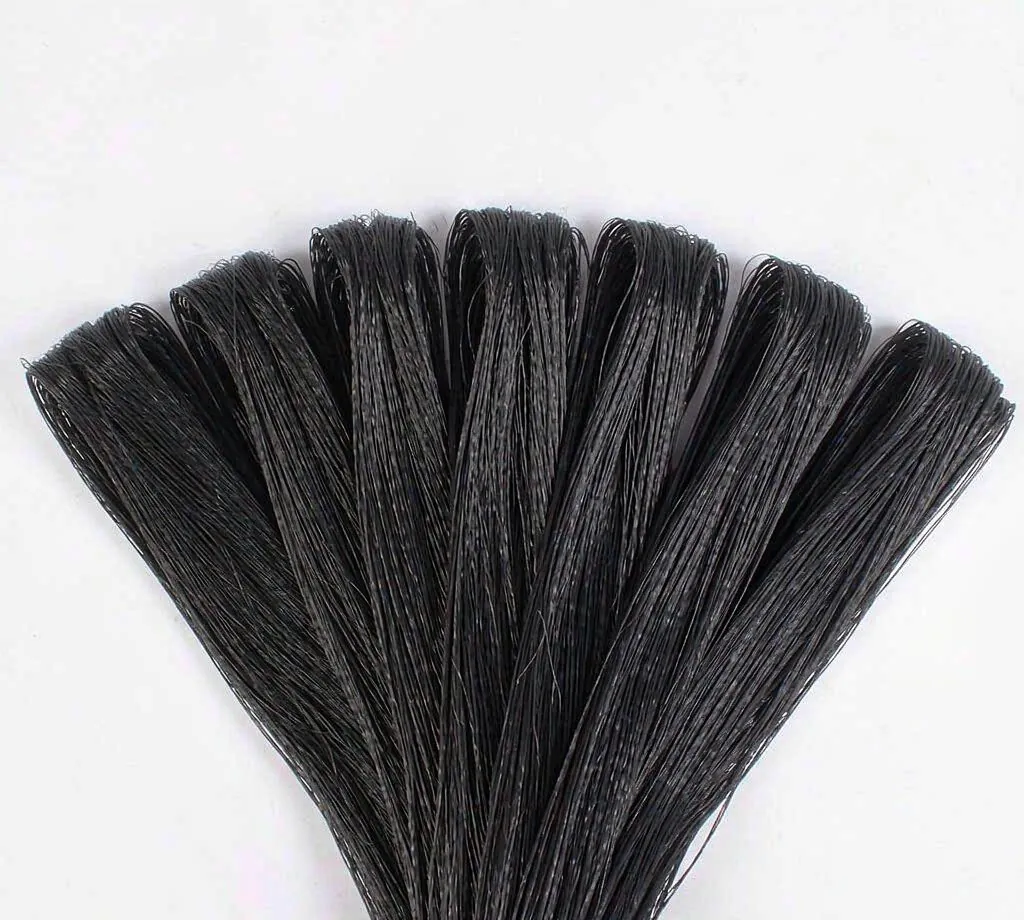 The photograph shows a representative pack. Colour, length and finish follow your order sheet, and the pack photograph above is illustrative of the category rather than a picture of your goods.
Pack types and fibre families
Retail packs fall into two families. Jumbo braid is the long, continuous fold that braiders cut and stretch themselves. Pre-stretched fibre has been machine-tapered at both ends so it braids without extra preparation, and it costs the factory one more processing step. Buyers who order jumbo and receive cut fibre, or the reverse, usually find out from their own customers first.
Inside both families the fibre itself comes in three tiers. Kanekalon is the soft, matte fibre that moves most like human hair and is the default for customer-facing brands. Toyokalon is smoother and springier, popular for loc and twist styles. Generic high-temperature fibre is the value tier: it holds a curled set straight out of the pack, which some markets want, but it is shinier and tangles sooner. None of the three is automatically better; what matters is that the invoice names the fibre instead of saying “synthetic”.
Specifications and minimum order
Our minimum order is 1 piece, so you can start with a single unit and scale up once the sample is approved. Two lots that share a shade number can still differ in weight, taper and treatment, so every line below belongs on the order sheet rather than in a chat message. We do not print prices or schedules on this page because fibre resin costs and factory calendars both move; tell us the pack format, colours and quantity, and we come back with a live quotation and a firm production slot.
| Specification | What to confirm before you order |
|---|---|
| Fibre family | kanekalon, toyokalon or high-temperature fibre, named on the invoice rather than described simply as synthetic |
| Pack weight | grams per pack, because pack count alone does not say how much fibre a braider actually gets |
| Pack format | jumbo braid or pre-stretched, and whether the taper is machine-set |
| Length | stated per pack, with the tolerance you will accept from pack to pack |
| Flame retardance | the standard the factory claims, in writing, with the treatment disclosed |
| Colour | shade number plus a sealed physical sample kept by both sides, not a photograph |
| Pedido mínimo | stated per colour, because every new shade opens a new dye batch |
Minimums in this category are moderate by China standards and are driven by colour count more than volume: one shade is one batch. A mixed-colour launch order costs more to set up than a single-shade repeat, which is worth knowing before you plan a twelve-colour range. Our sourcing service covers the factory screening and the checks set out below.
What the fibre words mean in practice
Flame retardance is the word most worth pinning down. Treated fibre self-extinguishes when a braider seals a braid in hot water or works near a stove; untreated high-temperature fibre may melt rather than catch, which is not the same thing and not acceptable in markets that test for it. Ask the factory to state the treatment on the invoice, and treat a vague answer as a no.
Pre-stretched is the other word that drifts. True pre-stretched fibre is tapered over a long section of the strand, so the braid feathers out naturally. Cheap imitations are cut square and will show a blunt end at the tip of every braid. Pull one strand from the sample and look at the taper before you approve the lot.
Colour fastness matters because braiding hair is washed, sweated in and exposed to sun for weeks at a time. A shade that survives the factory but bleeds on the third wash generates returns. The sealed sample both sides keep is what a claim gets measured against.
What belongs in the purchase order
A one-page specification attached to every PO is what protects the reorder. Cover these points:
- Fibre family, named, with the flame-retardance treatment stated in writing
- Grams per pack and packs per carton, both as ranges with a tolerance
- Pack format, jumbo or pre-stretched, with the taper described
- Shade numbers referenced to the sealed samples, one sample kept by each side
- Barcodes and retail packaging artwork, if the packs ship ready for shelves
- A penalty clause if the bulk lot differs from the approved sample
Inspection points that catch a switch
A visual check of packed cartons will not find the problems that matter in this category. These will:
- Flame test. Burn a strand from the bulk lot, not from the sample. Treated fibre self-extinguishes; untreated fibre keeps burning.
- Hot water dip. Dip a finished braid in hot water and check whether the fibre stiffens, shrinks or holds. This is what the end customer will do.
- Weight per pack. Weigh packs at random from different cartons. A ten-gram shortfall per pack is invisible until a braider runs short mid-head.
- Colour across lots. Hold packs from different cartons side by side in daylight. Shade drift only appears next to its neighbour.
- Taper check. Pull a strand and look at the ends. Square-cut fibre in a pre-stretched pack is a substitution.
An independent check at the factory costs a small fraction of what a returned container costs, and it is worth arranging before the goods are loaded. Factory inspection covers this category, and for a buyer’s-eye view of telling fibre grades apart see how to check wig quality.
Preguntas frecuentes
How many packs does one head of braids need?
It depends on braid size and head size, which is why studios buy in mixed quantities. The dependable way to set a recommendation is to have one braider you trust complete a style with your pack and record what was left over. That number, not a generic chart, is what you print on your own packaging.
Is synthetic braiding hair safe near heat?
Fibre that has been treated for flame retardance will self-extinguish and can be sealed with hot water, which is standard braiding practice. Untreated high-temperature fibre may deform or melt near heat instead of catching. This is precisely why the treatment has to be named in writing on the invoice rather than assumed from the word synthetic.
Can I mix colours in one order?
Yes, and most retail orders do, because a mixed pack range sells across more customers. Keep in mind that every shade is its own dye batch, so a twelve-colour range carries more setup than a three-colour repeat. Shade consistency across production runs is exactly what the sealed samples are for.
Request a quotation
Send the pack format, fibre family, colours and quantity you need, plus the market you sell into. We come back with factory options and current bands within two business days.
