Wholesale Plastic Toys from China
A plastic toy on an existing mould is the fastest way into the toy trade. The tooling is already paid for, so the first order can be small, and the way you make the product yours is colour, packaging and whatever goes in the box alongside it. That is why this category carries so much of the volume that leaves Shantou and Dongguan every year.
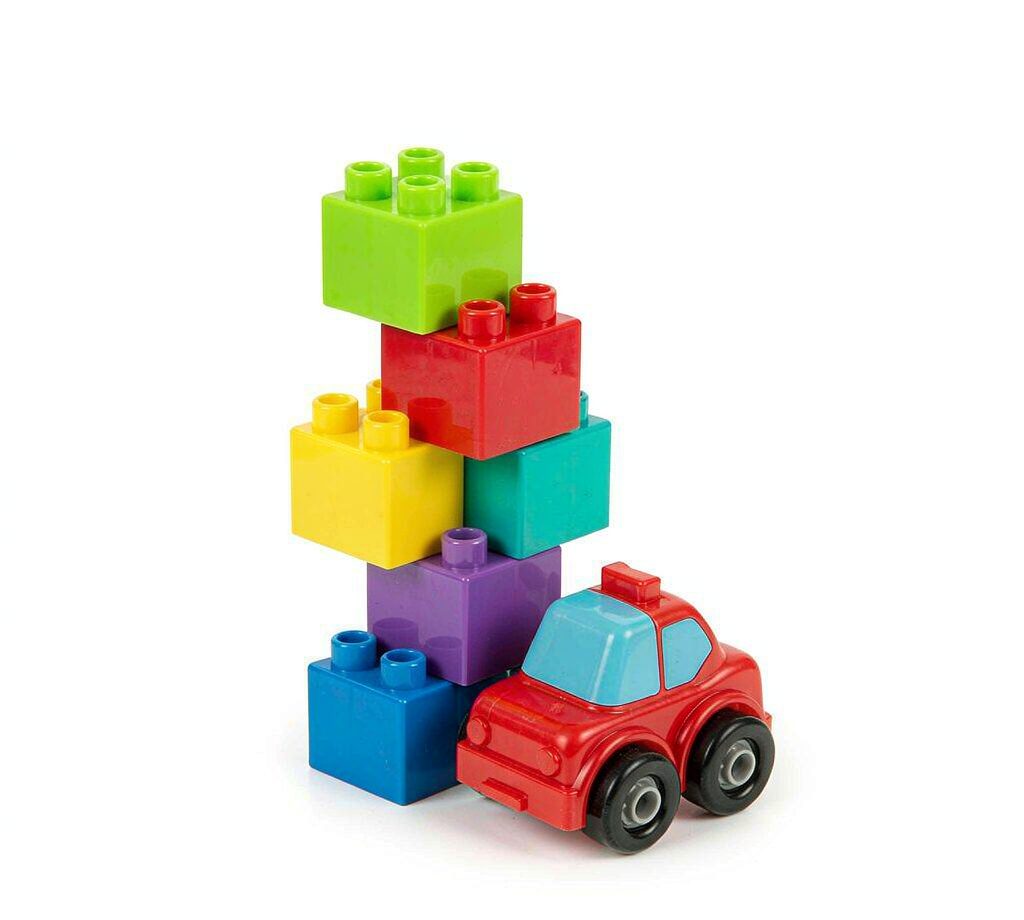 The photograph shows a representative unit of the category. Your colourway and packaging follow the order sheet, and the image is illustrative rather than a picture of your goods.
The trade-off is that an existing mould is shared. Several buyers run the same toy in different colours and the factory books those runs back to back. We have sourced plastic toys out of Chenghai and Dongguan for five years, and the same three failures come back: a colour run that drifts between cartons, flash left on an edge that a child will find, and a test report that covers an earlier version of the toy rather than the one in the box.
This page covers what a stock-mould order changes, what belongs on the order sheet, and the checks that catch a weak run before it ships. The wider picture of who makes what sits in our wholesale toys overview.
What a stock mould changes, and what it does not
A stock mould fixes the shape. Everything else is still open: resin, colour masterbatch, surface finish, the small parts that clip onto the body, the way the toy is packed, and the age grading printed on the box. Those open variables are where a cheap order and an expensive one differ, and they are also where most disputes start, because two buyers sharing a mould can produce goods that look unrelated on a shelf.
What the mould does not fix is the batch boundary. Each colour run is its own production batch, and the factory sets the machine for it. If a colour is specified only as a photograph or a Pantone that the factory keeps on file, then run two will not match run one. Nobody can tell until the cartons sit next to each other.
Specifications and minimum order
Our minimum order is 1 piece, so you can start with a single unit and scale up once the sample is approved. Every line below changes what the factory does at the machine, so all of it belongs on the order sheet in writing. We do not print prices or schedules on this page, because resin costs and factory calendars both move; send us the item, the colourway and the quantity, and we come back with a live quotation and a firm production slot.
| Specification | What to confirm before you order |
|---|---|
| Resin | ABS, PP or PVC named on the invoice, since they differ in feel, strength and cost |
| Colour | a physical masterbatch chip or sealed sample kept by both sides, not a screen image |
| Surface finish | gloss, matte or texture, stated because it changes the tool polish and the price |
| Small parts | whether they are screwed, solvent-welded or press-fit, and how they survive a drop |
| Accessories | stickers, decals, batteries, tools or figures in the box, listed item by item |
| Age grading | the age band on the artwork, matched to the test report that covers the toy |
| Pedido mínimo | stated per colour, because each new colourway opens its own production run |
Minimums in this category are modest precisely because the tooling exists, and they are driven by colour count more than by volume. A one-colour repeat is the cheapest order to place; a launch spread across many colourways carries more setup than the piece count suggests. Our sourcing service covers the factory screening, the sample round and the inspections set out below.
How toy safety rules shape the order
Toy safety is the one part of this category where paperwork and product have to match exactly. European buyers need the EN71 series, with part one covering mechanical and physical hazards, part two covering flammability and part three covering migration of certain elements. American buyers need ASTM F963 plus the CPSIA limits on lead and phthalates, and a tracking label that identifies the batch. Most other markets accept one of those two with a local label added.
The report is only worth what it covers. A report written against a different colourway, a different accessory set or a different packaging configuration does not cover what you are shipping, and customs or a marketplace audit will treat it that way. Ask for the report to name the item, the colourway and the age grade you are buying, and check that the report date is inside the validity window the market requires.
Two mechanical points drive most recalls in plastic toys. Small parts that detach under a pull belong in a choke-test cylinder, which is why press-fit eyes and press-fit wheels matter more than they look. And sharp flash from a worn mould meets no test at all, but it is what a parent complains about first.
What belongs in the purchase order
One page attached to the PO is what protects the reorder. Cover these points:
- Item number and mould reference, so the next order runs on the same tool
- Resin type, colour reference and surface finish, each with a sealed sample
- Accessory list and packaging artwork, with barcodes and warning text approved in writing
- Age grading, matched to the name of the test report and its date
- Carton configuration and drop standard, since retail cartons take handling before a shelf
- A penalty clause if the bulk run differs from the approved sample
Inspection points that catch a weak run
Photographs of a finished toy hide all of the failures that matter here. These checks do not:
- Colour across cartons. Hold pieces from different cartons side by side in daylight. Colour drift only appears next to its neighbour.
- Flash and edges. Run a finger along every mould seam. Worn tooling leaves a burr that will be a complaint in a market that inspects.
- Small part retention. Pull and twist wheels, eyes and clip-on parts by hand on pieces drawn from the bulk, not from the sample.
- Drop test. Drop the packed toy from the height the age grade implies and check for cracks and detached parts.
- Report against goods. Read the test report at the factory and match its item code and colourway to the cartons on the floor.
An independent inspection before loading costs a small fraction of what a recall or a rejected container costs, and in this category the colour run and the small-part checks are worth every visit. Factory inspection covers this work, and the sample-versus-bulk failure pattern is set out in our inspection tips guide.
Preguntas frecuentes
Can I use my own colour if the mould belongs to someone else?
Yes in most cases. The mould fixes the shape, not the colour, and factories run several colourways off the same tool for different buyers. What you cannot control is who else runs the same tool and when, which is why the production slot and the colour standard both belong in writing rather than in a phone call.
Do I need my own test report or can I use the factory’s?
You need a report that names the item you are shipping, including the colourway, the accessory set and the age grade. A factory report for a different configuration does nothing for you if a marketplace or a customs officer asks. Most factories hold valid reports for their main items and will add a new configuration for a fee, which is far cheaper than testing from scratch.
What is the risk of buying on a shared mould?
The main risk is scheduling, not quality. Your run sits in a queue behind other buyers, and a reorder placed late may not land the slot you want. The secondary risk is colour consistency across runs, which is solved with a sealed masterbatch sample rather than a promise.
Request a quotation
Send the item, the colourway, the accessory list and the quantity you need, plus the market you sell into. We come back with factory options and current bands within two business days.