
Wholesale PPSU Feeding Bottles 240 ml from China
PPSU is the premium bottle resin: it survives repeated sterilisation, resists staining and carries a medical grade reputation that polypropylene cannot match. It is also expensive enough that substitution is tempting, which shapes everything about how this category is bought: the resin, the nipple and the vent system are each a place where a cheaper part can be swapped in invisibly.
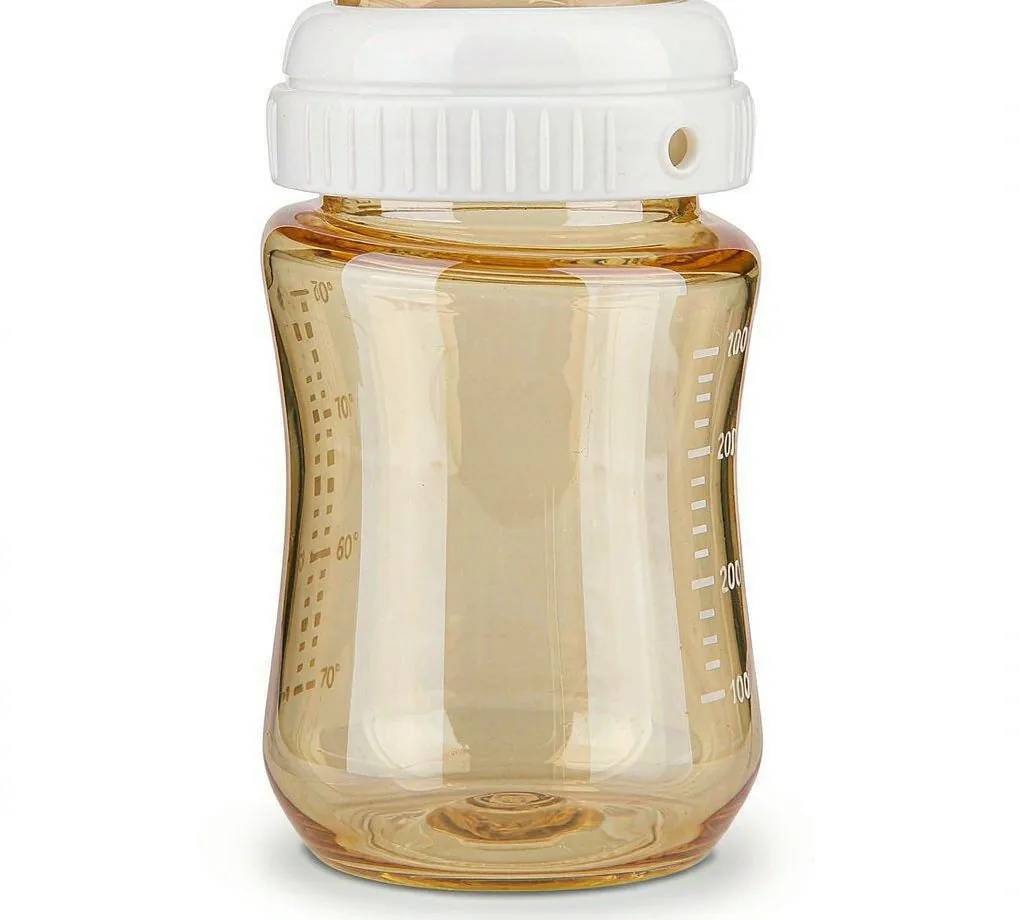
The failures: bottles marked PPSU that are polypropylene with an amber tint, nipples that tear at the cross cut after a few sterilisation cycles, and vent systems that leak when the bottle is tilted, which is the complaint that floods a review page fastest.
All three are testable with a kettle and a scale. The category context is in our wholesale baby products overview.
Resin, nipple and vent
Authentic PPSU is identifiable: it is naturally amber tinted, denser than polypropylene, and survives hundreds of steam sterilisation cycles without clouding. The identification method is simple, and the certificate behind the resin lot is the paper version of the same test.
The nipple is where feeding actually happens. Silicone grade, flow rate at the stated age marking, and the cross cut that controls it are the working variables, and the vent system that stops colic is the engineering difference between a cheap bottle and a good one. Vent parts are small, multi piece and easy to assemble wrong, which makes the assembly instructions part of the product.
Specifications and minimum order
Resin prices track engineering plastics markets, so live figures come with the quotation. Fix these points.
| Specification | What to confirm before you order |
|---|---|
| Resin | PPSU named by grade, with the lot certificate supplied |
| Capacity | 240 ml to the fill line, with the tolerance |
| Nipple | Silicone grade, flow rates per age stage, tear resistance |
| Vent system | Part list and the anti colic claim, tested tilted and level |
| Sterilisation | Number of steam cycles the bottle must survive without clouding |
| Compliance | Food contact rules for the destination market, named |
| Pedido mínimo | Moderate for stock moulds; custom shapes and collars set the higher floor |
Our minimum order is 1 piece, so the bottle, nipple and vent are sampled and approved before any production commitment. Production minimums follow the mould situation, and we confirm the figure in writing. Our sourcing service screens the injection plants and the nipple specialists.
How substitution happens and how to stop it
A bottle mould is a fixed asset, and the same mould can run any resin the operator loads. That flexibility is the opening for substitution: the bulk order is run in a cheaper resin, the certificate from the sample batch is reused, and nothing in a carton photograph reveals it. The defence is a resin lot certificate tied to your production dates, plus a density check on bulk units, both of which are routine.
Nipple substitution is the same story one part smaller. Nipples are bought from specialists, and the silicone grade and flow tooling vary between them. Pin the nipple supplier and the flow tool to the order, then verify on the bulk lot. Our sample versus bulk guide covers the general pattern.
What belongs in the purchase order
- Resin grade with the lot certificate tied to production dates
- Nipple supplier, silicone grade and flow tool per stage
- Vent part list, and the leak test at tilt as an agreed standard
- Sterilisation endurance as a cycle count, tested on bulk units
- Food contact compliance for the destination market
- Packing: unit boxes, assembly instructions and carton limits
Checks that catch the repeat failures
- Density check. Weigh and measure a bulk bottle; the figure separates PPSU from lighter polypropylene in seconds.
- Sterilisation cycle. Steam a bulk bottle twenty times; clouding or hazing means the resin is not what the box says.
- Nipple tear. Pull a bulk nipple’s cross cut open; a clean cut means good tooling, a ragged one means a worn mould.
- Tilt leak. Fill, assemble, tilt to feeding angle and hold; vent leaks show immediately.
- Document match. Match the resin certificate to the production dates on your order, not to the sample batch.
These checks are standard work in a pre shipment inspection, and our factory inspection service covers baby bottle plants. For the fuller method, see our pre shipment inspection guide.
Preguntas frecuentes
Why pay for PPSU instead of polypropylene?
Sterilisation endurance and clarity over time. A polypropylene bottle clouds and fatigues within a fraction of the cycles a PPSU bottle survives, and for a product washed and sterilised several times a day, that difference is the product. The premium is in the resin, so verify the resin.
Can we brand the bottle and collar?
Yes, by print or by mould, and stock moulds keep the minimum low. Custom moulds are a separate quote with a higher minimum. Our minimum order is 1 piece for sampling either route, and we confirm the production figure against the exact parts list.
What fails first on a poor bottle?
The nipple. It is the smallest part, the most stressed, and the one the customer replaces first. Nipple quality is also the cheapest thing to pin down in the specification, which makes it the best early signal of the factory’s overall discipline.
Request a quotation
Send the market, the parts list you want branded and the quantity. We come back with factory options and the workable minimum within two business days.
