Wholesale Ceramic Brake Pad Sets from China
Brake pads are the safety critical product of the aftermarket, and the ceramic formulation is the retail favourite for its low dust and quiet bite. The category is governed by fitment data and by friction standards, and both live in documentation that a photograph cannot carry, which is why the buying discipline here is paperwork first, parts second.
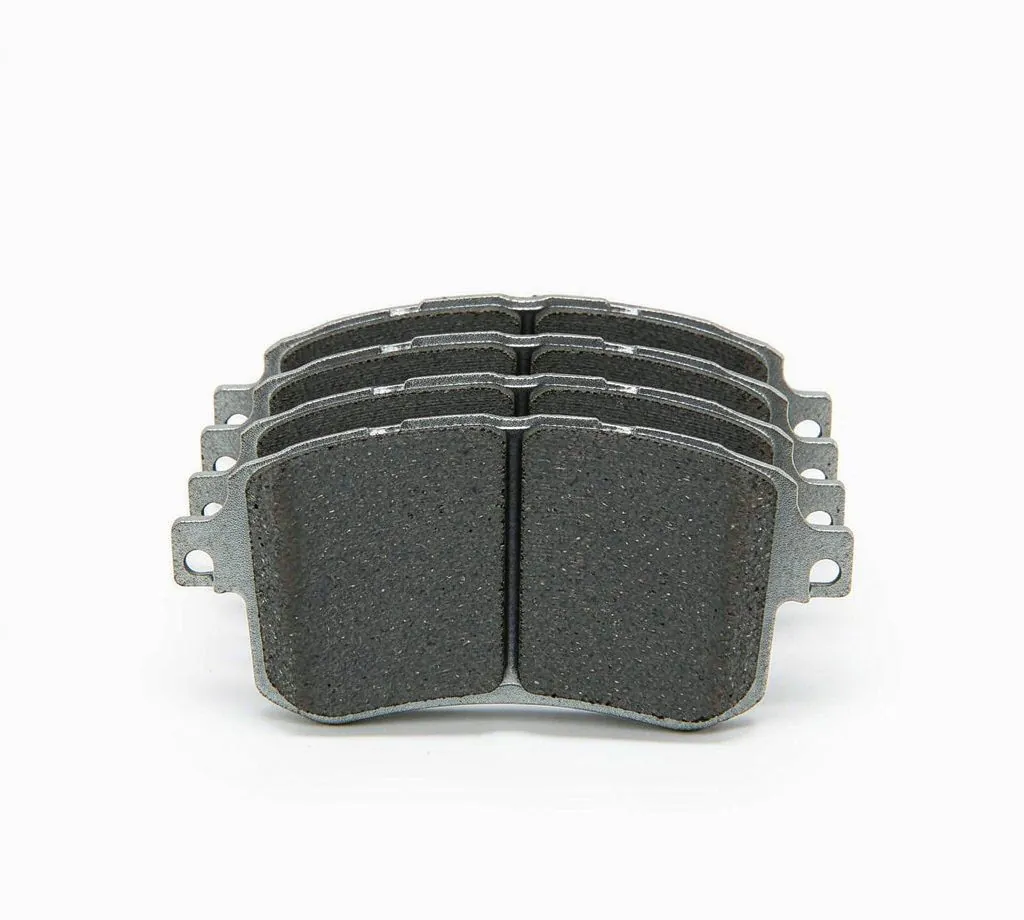
The failures: friction material that fades after hard stops because the formulation was tuned for a price point, backing plates that rust or crack at the ears, and hardware kits missing the shims that make the difference between quiet and squeal. A brake complaint is the fastest way to lose a repeat customer in the aftermarket.
All three are checkable on bulk sets. The category context is in our wholesale auto parts overview.
Friction, backing plate and the fitment chain
Friction material is a formulation, and its behaviour is described by standards: friction coefficient across temperature, wear rate and the fade behaviour under heat. The formulation family, ceramic, semi metallic or organic, decides the character; the quality of the mix decides the consistency.
The backing plate carries the friction material and the stress, and its steel gauge, coating and ear design are the mechanical story. Fitment is the commercial chain: a pad set must match a vehicle application exactly, and the application data, part numbers and cross references, is what the distributor actually buys. Our supplier verification guide covers the paperwork side.
Specifications and minimum order
Raw material prices move with steel and friction markets, so live figures come with the quotation. Fix these points.
| Specification | What to confirm before you order |
|---|---|
| Formulation | Ceramic family named, with the friction and wear standards met |
| Backing plate | Steel gauge, coating and the ear and slot geometry |
| Hardware | Shims, clips and wear sensor included, itemised |
| Fitment | Application list with part numbers, cross referenced |
| Traceability | Batch coding on boxes and plates for recall readiness |
| Packing | Box spec with the application label and barcode |
| Pedido mínimo | Set by pressing and curing batches, hundreds of sets per part number in practice |
Our minimum order is 1 piece, so a set is inspected and its paperwork matched before any production commitment. The production minimum follows the part number and the curing batch, and we confirm it against your application list. Our sourcing service screens the friction plants, which concentrate in a few provinces and vary widely in documentation discipline.
Traceability is the aftermarket’s real currency
A brake part without batch traceability is unsellable to serious distributors, because a field issue with no batch code becomes a brand issue instead of a parts issue. Batch coding on the backing plate and the box, tied to the production record, is the standard that turns a complaint into a correction.
The friction standard is the second paper spine. Destination markets increasingly require the friction standard marking on the box, and the test behind it is a laboratory matter. Our quality assurance service assembles the traceability and standard paperwork with the order.
What belongs in the purchase order
- Friction formulation family with the standards met, named
- Backing plate steel gauge, coating and geometry
- Hardware kit itemised: shims, clips, sensors
- Application list with part numbers and cross references
- Batch coding standard on plates and boxes
- Packing: box spec, application label and the standard marking
Checks that catch the repeat failures
- Weight and density. Weigh bulk pads against the sample; a light pad means a leaner formulation or a thinner plate.
- Plate inspection. Check coating coverage and ear geometry on bulk plates; rust before the first install means a skipped coating.
- Hardware audit. Count the kit against the itemised list across cartons; missing shims are the squeal complaints.
- Batch code match. Verify the batch code on box and plate match and trace to your production dates.
- Fitment spot check. Compare a bulk set against the application data or a physical sample from the vehicle side.
These checks are standard work in a pre shipment inspection, and our factory inspection service covers friction plants. For how dense parts move economically, see our container consolidation service.
Preguntas frecuentes
Are ceramic pads always better?
They are the right answer for low dust and quiet operation in normal driving; other formulations win on specific performance envelopes. The honest answer is application matched, which is why the fitment and the standard paperwork matter as much as the material.
Why do hardware kits matter so much?
Because shims and clips are what make an install quiet, and their absence generates the noise complaints that read as product failures. The kit is a small cost that defends the whole part number. Our minimum order is 1 piece for sampling a complete kit.
What should I verify before the first order?
The standards the formulation meets, the batch traceability system, and the application data behind the part number. All three are paperwork, all three are checkable before any money moves, and all three predict the returns rate better than price does.
Request a quotation
Send the application list or part numbers and your market. We come back with factory options plus the workable minimum within two business days.