Wholesale Cotton Cushion Covers 45 cm from China
The cushion cover is the fastest rotating item in home textiles: light to ship, cheap to sample, and bought in numbers by every retailer with a soft furnishings wall. It is also the item where the difference between a good order and a returns pile hides in two measurements: the shrinkage and the closure.
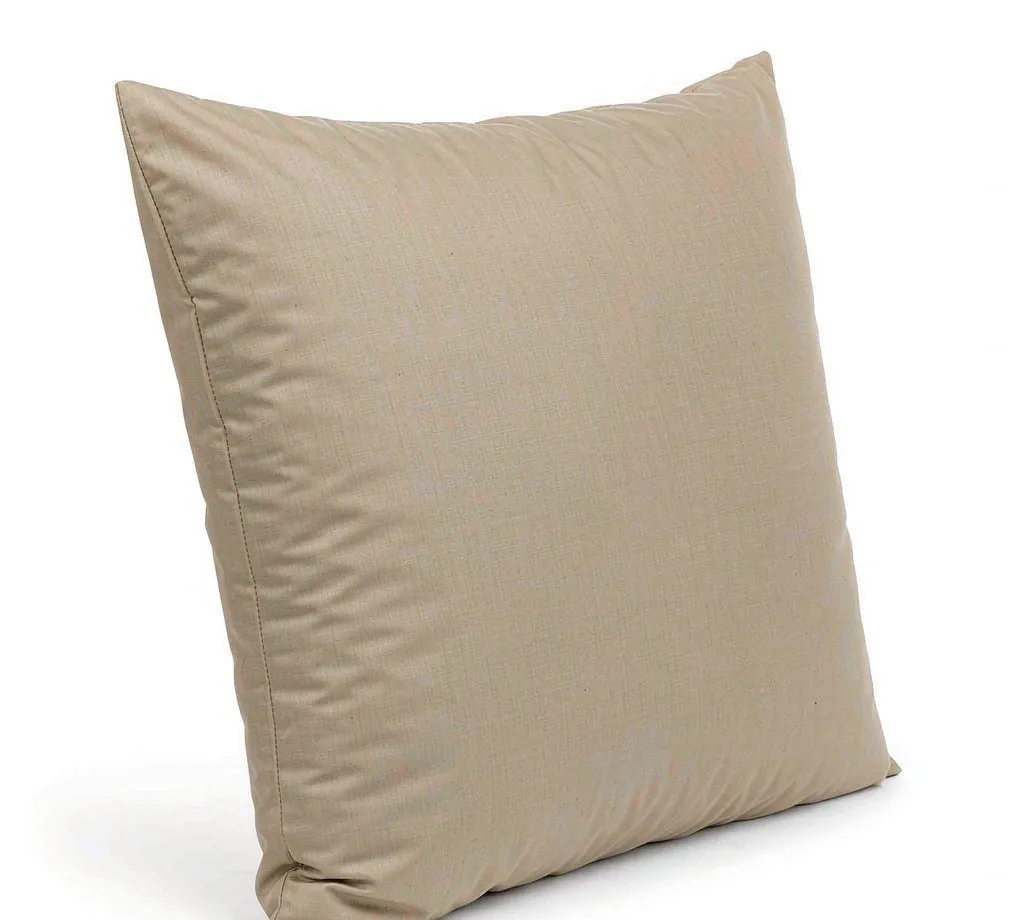
The failures: the cover measures 45 centimetres on delivery and 43 after the first wash, because the fabric was not pre-shrunk. The zip tape puckers the seam. Or the colour on the second order sits visibly apart from the first on the same shelf, because the dye lot was matched to a new swatch instead of the retained standard.
All three are specification items. The category context is in our wholesale home goods overview.
Fabric, weave and closure
Cushion cover fabric is woven cotton, and the weave name carries the feel: plain weave for prints, twill for durability, slub and panama weaves for texture. Weight in grams per square metre decides whether the cover reads as a quality item on a shelf; below a certain weight a printed cover shows the insert’s seams through the face.
The closure is the working part. A hidden zip gives the tailored look and needs a good tape; an envelope back removes the zip cost and adds a fold line that must sit flat after washing. Both are legitimate products; mixing the marketing of one with the construction of the other is how covers end up on the returns shelf.
Specifications and minimum order
Cotton prices move with the crop and printing method changes the quote, so live figures come with the quotation. Fix these points.
| Specification | What to confirm before you order |
|---|---|
| Fabric | Weave type and weight in grams per square metre, named |
| Size | Cut size with the wash shrinkage tolerance stated |
| Closure | Hidden zip or envelope back, with the tape quality named |
| Print or dye | Method, colour count and the wash fastness grade |
| Colour standard | A retained physical standard that reorders are matched to |
| Labels | Care and fibre content to the destination market’s rules |
| Pedido mínimo | Set by print runs and dye batches; a few hundred per colourway is the working floor |
Our minimum order is 1 piece, so a washed sample is approved before any production commitment. The production minimum follows the print run, and we confirm it against your colourway plan. Our sourcing service screens the weaving and sewing plants.
Shrinkage is the clause that saves the order
A cushion cover is sold by a size, and the size lives on the label, which means shrinkage is not a quality nuance but a truth in labelling matter in several markets. The fix is pre-shrunk fabric and a shrinkage tolerance written as a number, tested on bulk fabric rather than the sample roll.
Colour consistency is the second reorder question. Dye lots drift, and a bestseller reprinted six months later must match the first run on the same shelf. State that reorders match the retained physical standard and keep that standard with the order documents. Our quality assurance service writes both clauses into the order.
What belongs in the purchase order
- Weave and weight, named, with the pre-shrink requirement
- Cut size with the shrinkage tolerance as a number
- Closure type and tape quality
- Print method, colour count and wash fastness grade
- The retained colour standard, referenced by code on every order
- Packing: folded or flat, polybag or band, and carton limits
Checks that catch the repeat failures
- Wash and measure. Wash bulk covers hot and tumbled, then measure; shrinkage beyond tolerance shows here.
- Zip seam check. Close and open a bulk zip twenty times; puckering shows on the second pass.
- Colour against the retained standard. Compare bulk covers to the standard in daylight, across cartons.
- Print rub. Rub a printed panel wet and dry; cheap pigment prints streak.
- Seam strength. Pull a seam open by hand; a skimpy stitch line opens before the fabric does.
A pre shipment inspection that includes washing catches all five, and our factory inspection service covers textile plants. For the fuller method, see our pre shipment inspection guide.
Preguntas frecuentes
Should I choose zip or envelope backs?
Zip for a tailored, premium look; envelope for value and a lower price per unit. Both are honest constructions. The mistake is buying an envelope back while marketing a tailored look, which shows the moment a customer holds it. Our minimum order is 1 piece for sampling either construction.
Can I match a cover I already sell?
Send us the physical cover. We read the weave and weight off the fabric, match the closure and dye to the physical piece, and pre-shrink to hold your size. Matching from a photograph is how weights drop a grade silently.
What fails most in this category?
Shrinkage, then colour drift on reorders. Both are paperwork problems solved in the specification, and both are verified for the cost of a washing machine and a daylight comparison during inspection.
Request a quotation
Send the size, fabric preference and colourway plan. We come back with mill options plus the workable minimum within two business days.