
Wholesale Stainless Steel Chain Necklaces from China
The stainless steel chain is the workhorse of modern jewelry: hypoallergenic reputation, water friendly, and it takes a gold colour layer that survives daily wear. It is also the category where two necklaces that look identical online differ completely in the hand, because the steel grade, the link construction and the colour layer are three separate specifications.
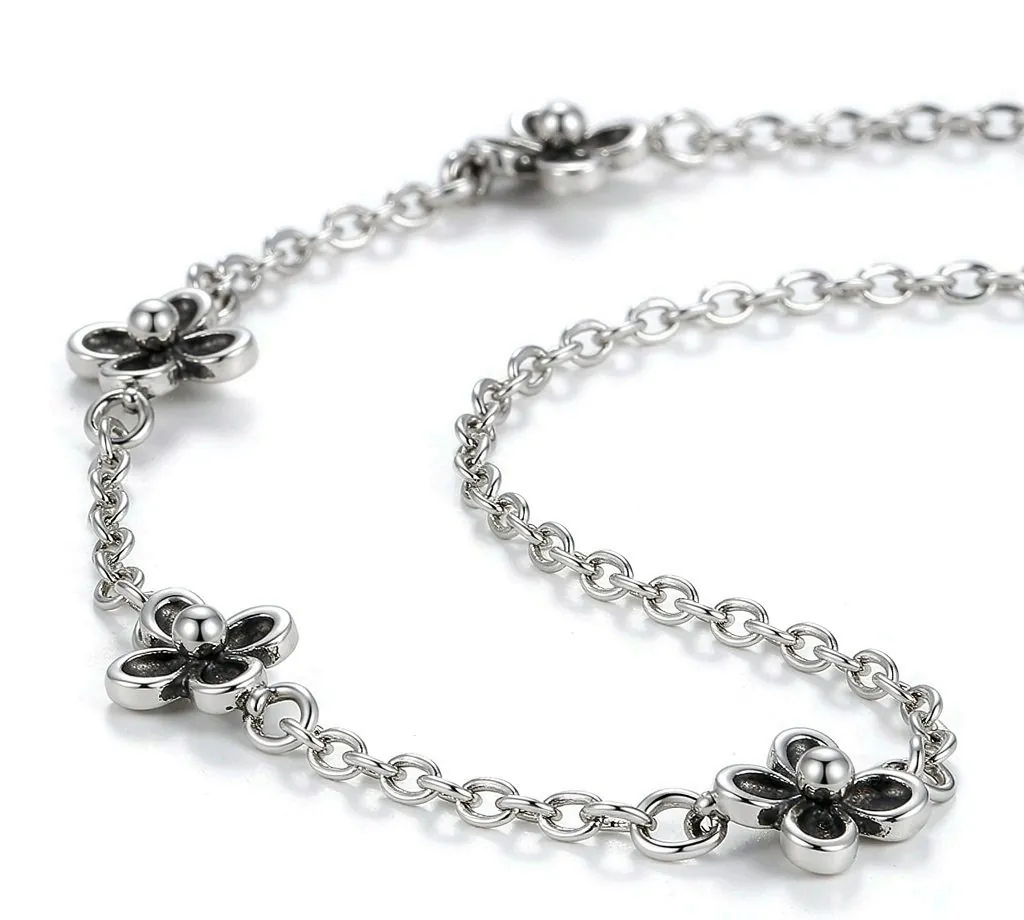
The failures: chains that kink permanently because open links were never soldered, clasps that open under a snag because the spring was cheap, and gold colour that wears to silver at the clasp within a month because the PVD layer was thin.
All three are testable. The category context is in our wholesale jewelry overview.
Grade, links and the colour layer
Steel grade matters: 304 is the workhorse, 316 adds corrosion resistance for the sweat and water story that brands market. The links divide into soldered and open, and soldering is what stops kinking and keeps the chain smooth over skin. Clasp quality is the mechanical weak point, and the spring inside a lobster clasp is a component priced separately by quality.
The gold colour on steel is a PVD layer, a physical vapour deposition that bonds far better than electroplating but still varies in thickness. The wear pattern concentrates at the clasp and the back of the neck, which is exactly where a colour check on bulk units should look.
Specifications and minimum order
Steel prices track the metals market, so live figures come with the quotation. Fix these points.
| Specification | What to confirm before you order |
|---|---|
| Grade | 304 or 316, declared with the mill certificate |
| Links | Soldered or open, and the solder coverage standard |
| Clasp | Type, spring grade and the pull force it must hold |
| Colour layer | PVD thickness and the tone matched to a retained standard |
| Length | Centimetres with tolerance, and the extension chain if any |
| Pull test | The force the chain and clasp must take as a tested number |
| Pedido mínimo | Hundreds per design in practice; existing chain plates carry lower minimums than custom links |
Our minimum order is 1 piece, so the pulled, worn sample is approved before any production commitment. The production minimum follows the chain plate situation, and we confirm both routes in writing. Our sourcing service screens the chain plants and their plating lines together.
Soldering is the quality tell
An open link chain is faster and cheaper to produce, and it shows its nature in the first month: links twist, kinks set, and the chain never lies flat again. Soldered links cost more per link and remove the entire failure class. The visual difference is learnable in a minute, which makes it one of the fastest quality checks in the jewelry trade.
Clasp life is the second tell. A lobster clasp is a spring, and the spring is where quality is hidden; the pull test on bulk units settles it. Our quality assurance service writes the pull and wear checks into the order.
What belongs in the purchase order
- Steel grade with the mill certificate
- Link construction and solder coverage
- Clasp type, spring grade and pull force
- PVD thickness and the retained colour standard
- Length with tolerance, extension chain included
- Packing: individual bags, anti tarnish paper and carton limits
Checks that catch the repeat failures
- Pull test. Load a bulk chain and clasp to the agreed force; open links and weak springs show at once.
- Lie flat test. Lay a bulk chain on a flat surface; a chain that spirals has unsoldered or twisted links.
- Wear check at the clasp. Rub the clasp zone against cloth for a few hundred strokes; thin PVD lifts there first.
- Mill certificate match. Match the steel certificate to your production dates, not the sample batch.
- Colour against the standard. Compare bulk chains with the retained standard in daylight; tone drift shows between PVD runs.
These checks are standard work in a pre shipment inspection, and our factory inspection service covers chain plants as a category. For the fuller method, see our pre shipment inspection guide.
Preguntas frecuentes
Is 316 steel worth the premium?
For products marketed on water and sweat resistance, yes: 316 is the grade the claim rests on. For dry wear chains, 304 performs well at a lower price. The claim decides the grade, and the mill certificate decides the truth. Our minimum order is 1 piece for sampling either grade.
Why do some gold chains turn silver at the clasp?
The PVD layer wears where wear concentrates, and a thin layer shows there first. Specify the layer thickness, keep the retained colour standard, and check the clasp zone on bulk units during inspection.
Can we do custom link designs?
Yes, through a new chain plate, which raises the minimum and the lead time. Stock plates with your clasp and finish are the standard first step. Our minimum order is 1 piece for sampling either route.
Request a quotation
Send the link style, length, finish and your market. We come back with factory options plus the workable minimum within two business days.
