
Wholesale LED Flood Lights from China
The flood light lives outdoors, which means its real specification is not the wattage on the box but the weather it keeps out. Rain, salt air, dust and summer heat inside a sealed housing decide how long the product lasts, and every one of those is a build decision the buyer cannot see from a product photograph.
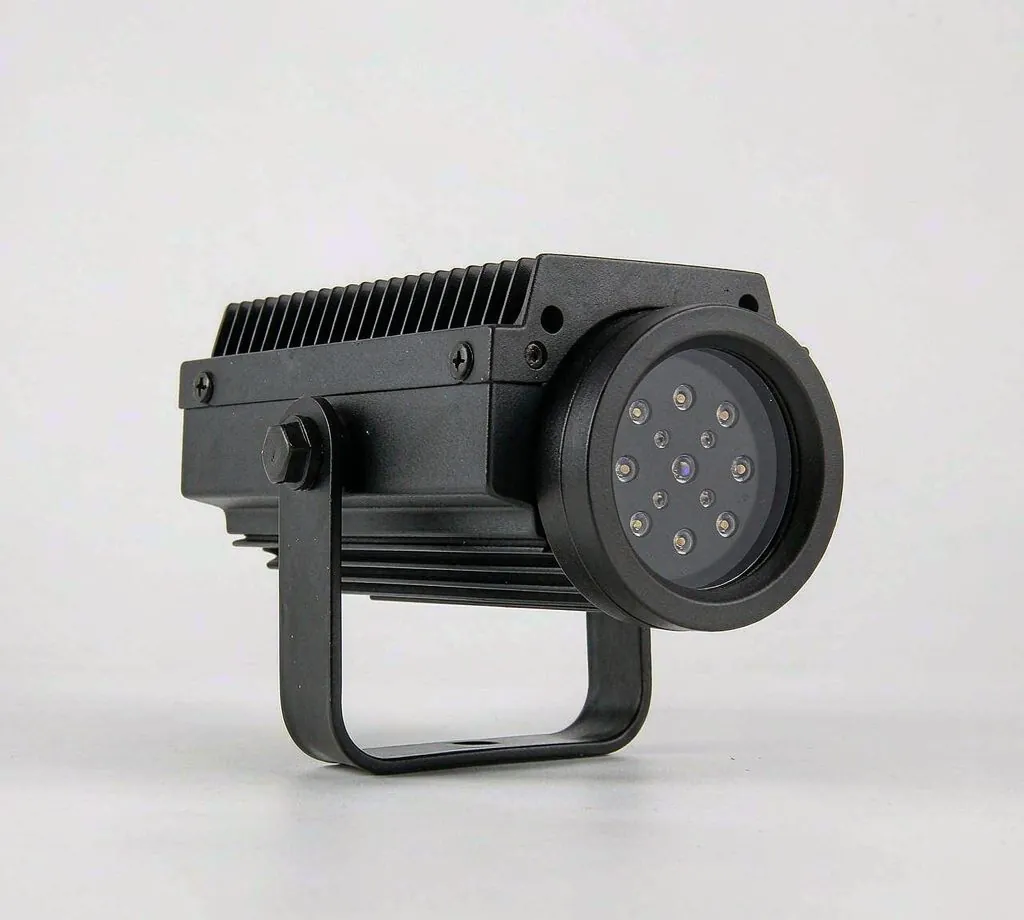 The photograph shows a representative fitting from the category. Wattage, beam and bracket style follow the order sheet, and the image is illustrative rather than a picture of your goods.
We have sourced flood lights out of Jiangmen and Zhongshan for five years. The same three failures come back. A housing stamped with one ingress rating is sealed to a lesser one, and the first heavy rain finds out. A surge that the spec sheet promises is not designed into the driver, and the first storm takes out a batch. And a lens that stayed clear on the sample yellows within a season because the polymer changed.
This page covers what the ingress and surge words mean, what belongs on the order sheet, and the checks that catch a weak lot. The cluster structure behind the category is in our wholesale lighting overview.
Sealing, surge and heat: the three outdoor decisions
The ingress rating is the flood light’s real headline. A rating describes what the sealed housing keeps out, and the number only means something if the gasket, the lens seating and the cable gland are built to match. A good gasket in a soft polymer compresses and recovers; a cheap one sets flat within a season. The cable gland is where water actually enters most fittings, and it is the cheapest place for a factory to save money.
Surge protection is the specification that separates professional fittings from retail ones. Outdoor circuits take hits from switching and from storms, and the driver’s surge tolerance decides whether the fitting survives them. The figure is quoted in kilovolts, it is testable, and a driver that claims a high surge rating without the circuitry to match is the most common quiet substitution in this category.
Heat is the third decision. An outdoor fitting seals itself in, which traps the heat the LEDs generate; the finned housing has to shed it, and the fin area and orientation matter. A fitting that runs hot cooks its own driver, and the failure arrives as a dead unit in the second summer, which is precisely when the warranty bill does.
Specifications and minimum order
Our minimum order is 1 piece, so you can start with a single unit and scale up once the sample is approved. Every line below changes what the factory builds. We do not print prices or schedules here, because housing and driver inputs move; send us the wattage, the mounting and the quantity, and we come back with a live quotation and a firm production slot.
| Specification | What to confirm before you order |
|---|---|
| Ingress rating | the rating required, with the gasket polymer and gland type stated |
| Surge protection | the kilovolt figure agreed, and the component that provides it |
| Housing | die-cast aluminium with the fin layout, since it decides the heat budget |
| Lens | tempered glass or polycarbonate, with UV stabilisation named for clear lenses |
| Bracket | the mounting bracket’s metal thickness and adjustment range |
| Colour temperature | kelvin with a tolerance, referenced to the sealed sample |
| Pedido mínimo | stated per wattage and colour, since each is its own driver and run |
Minimums in this category track housing tooling and driver procurement, and a single wattage with one bracket style is the most consistent way to start. Our sourcing service covers the factory screening, the sample round and the weather checks below.
What the lens and housing words mean
Tempered glass keeps its clarity for the life of the fitting and shrugs off cleaning. Polycarbonate is lighter and impact-resistant, but only a UV-stabilised grade stays clear; an unstabilised lens yellows within a season of sun, and the yellowing is permanent. The specification belongs on the order sheet because the two look identical on the day they ship.
The housing is decided at the foundry. A die-cast housing with generous fins sheds heat; a thin casting with shallow fins does not, and no driver can compensate. Weight is a rough first check, but the honest check is thermal: burn the fitting and measure the sink temperature, which is exactly what a pre-shipment inspection does.
Two commercial points complete the picture. Coastal air is harder on fittings than rain, and buyers serving coastal markets should say so, because the fastener and finish choices change. And the bracket is the part installers bend first, so its thickness belongs in the specification rather than in the hope that nobody checks.
What belongs in the purchase order
One page attached to the PO is what protects the reorder. Cover these points:
- Ingress rating with the gasket polymer and cable gland type named
- Surge protection figure and the component that provides it
- Housing build and fin layout, with the thermal requirement stated
- Lens material with UV stabilisation named where polycarbonate is used
- Bracket thickness and fastener spec, especially for coastal destinations
- A penalty clause if the bulk lot differs from the approved sample
Inspection points that catch a weak lot
These checks find what a product photograph cannot:
- Spray the seal. Hose fittings from the bulk lot, then open one and look for water tracking past the gasket or the gland.
- Burn and measure. Run fittings for an hour and read the housing temperature. Heat is the predictor of the second-summer failure.
- Read the surge part. Check the surge component on the driver board against the figure the specification claims.
- Flex the bracket. Put weight on the bracket. A bracket that yields under hand pressure yields under wind loading.
- Check the gasket. Compress and release the door gasket by hand. A gasket that does not recover is the failure that lets water in.
An independent inspection before loading is where all five cost the least, and in outdoor fittings it is the difference between a programme that lasts and one that comes back under warranty. Factory inspection covers this category, and the cluster logic behind it is set out in our lighting hubs guide.
Preguntas frecuentes
Which ingress rating does an outdoor flood light need?
A rating that covers driven rain is the working minimum for mounted fittings, and a higher rating is worth specifying where jets or dust are expected. The number matters less than the build behind it, which is why the gasket, gland and seating are worth naming alongside it.
Is surge protection really necessary?
For anything wired outdoors, yes. Storms and grid switching put transients onto outdoor circuits, and an unprotected driver absorbs them until it fails. The component that provides the protection costs little at the factory and decides whether the fitting survives its first storm season.
Glass or polycarbonate lens?
Glass for clarity and long life, polycarbonate where impact is the risk. If the build uses polycarbonate, insist on a UV-stabilised grade in writing, because an unstabilised lens yellows permanently within a season and there is no repair for it.
Request a quotation
Send the wattage, the mounting style, the ingress rating and the quantity you need, plus the market you sell into. We come back with factory options and current bands within two business days.
