
Wholesale Silicone Teethers with Clip from China
The silicone teether with clip is a small product with a large rulebook. Food grade silicone beads, a cord, a clip, and a product that goes straight into a baby’s mouth: regulators treat it as a teething toy, and the documentation matters as much as the moulding.
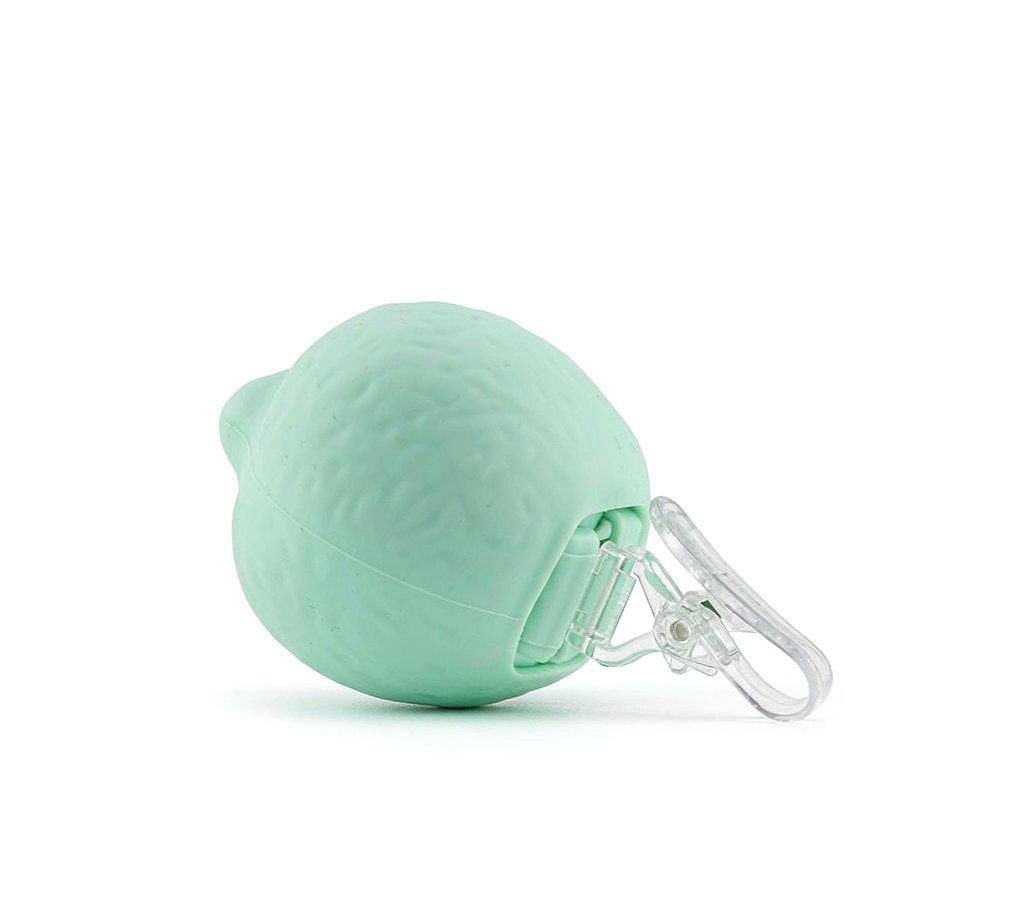
The failures are specific to assembly. A bead separates from the cord because the knot was tied loose on one worker’s bench. The clip spring weakens after a few dozen uses. Or the silicone carries a filler, which shows up as white streaks when the bead is twisted, and turns a food contact claim into a problem.
All three are checked in minutes on bulk product. The category context is in our wholesale baby products overview.
Silicone, cord and clip
Food grade silicone is judged by two things: the certification behind the raw material lot, and the physical feel, since filled silicone is stiffer and tears with a pale fracture line. Beads come in dozens of shapes and hardness grades, and the teether surface that a baby gums should be the soft end of the range.
The cord is knotted between beads, and the knots are the safety system: one loose knot is a small parts incident. Clips come as wooden, silicone covered or metal spring designs, and the spring clip is the component with a fatigue life, so the pull and cycle test belongs in the order, not in a complaint.
Specifications and minimum order
Silicone raw material prices are stable compared with metals, but certification costs and assembly labour set the quote. Fix these points.
| Specification | What to confirm before you order |
|---|---|
| Silicone grade | Food contact certification tied to the raw material lot, filler free |
| Bead hardness | Shore hardness for the gummed surfaces, softer for teething parts |
| Cord and knots | Knot count and pull force between beads, as a tested number |
| Clip | Type, opening force and cycle life, plus the fabric tape safety |
| Small parts | Compliance with the destination market’s children product rules |
| Test reports | Which laboratory reports are supplied, and whose name is on them |
| Minimum order | Assembly driven and therefore moderate; bead moulds for custom shapes set the higher floor |
Our minimum order is 1 piece, so the assembled sample is approved before any run. The production minimum is set by assembly batches and bead stock, and we confirm it against your design. Our sourcing service screens the assembly workshops, which vary more in this category than in any other baby product.
Test reports: whose name is on them
Factories in this category present laboratory reports constantly, and the first question is who paid for the report and whose product it describes. A report on a supplier’s general silicone says nothing about the beads in your teether. The reliable pattern is a report tied to the raw material lot used for your order, and a destination market rule set named before production starts.
Assembly quality control is the second half. The best workshops knot and pull test in line, on every unit, because the test takes seconds. The workshops that sample test at the end are the ones that ship loose knots. Our quality assurance service audits which kind you are buying.
What belongs in the purchase order
- Silicone certification tied to the material lot, filler content stated
- Knot pull force between beads, as a number tested in line
- Clip opening force and cycle count
- Small parts and chemical compliance for the destination market, named
- Bead colours matched to a retained physical standard
- Packing: unit boxes, warning text and carton limits
Checks that catch the repeat failures
- Twist test. Twist each style of bead on bulk units; white streaks or a pale tear line mean filler.
- Pull test. Pull beads apart by hand across a sample of the bulk lot; knots should hold above the agreed force.
- Clip cycle. Open and close the clip fifty times; a weak spring shows by then.
- Smell test. Strong odour out of the bag means curing was rushed; food contact silicone is odourless.
- Document match. Check the test report references the material lot and the design you actually received.
All five checks fit inside a standard pre shipment inspection, and our factory inspection service covers baby product assembly units. For the fuller method, see our pre shipment inspection guide.
Frequently asked questions
Is silicone or wood better for a teether?
They solve different problems: silicone is washable and soft, wood is natural but needs finishing and moisture control. Many products combine both. What matters is that whichever material you choose has its compliance path written down for your market before production.
Can I customise bead shapes and colours?
Colours are easy, because beads are moulded in many shapes already. A truly custom bead shape means a new mould, which raises the minimum. Our minimum order is 1 piece for sampling either way, and we quote the mould option separately so the decision is visible.
What document should I ask for first?
The food contact report tied to the silicone lot, before anything else. Everything else, including the clip and the cord, can be verified by inspection; the material certification can only be verified by paperwork.
Request a quotation
Send the design reference or a sample photo, your market and the quantity. We come back with factory options and the workable minimum within two business days.
