
Wholesale Cordless Drills from China
A cordless drill is the product where a tool order turns into a compliance order. The tool has to perform, but the paperwork around the battery, the charger and the electrical safety is what decides whether it can be sold in a given market at all.
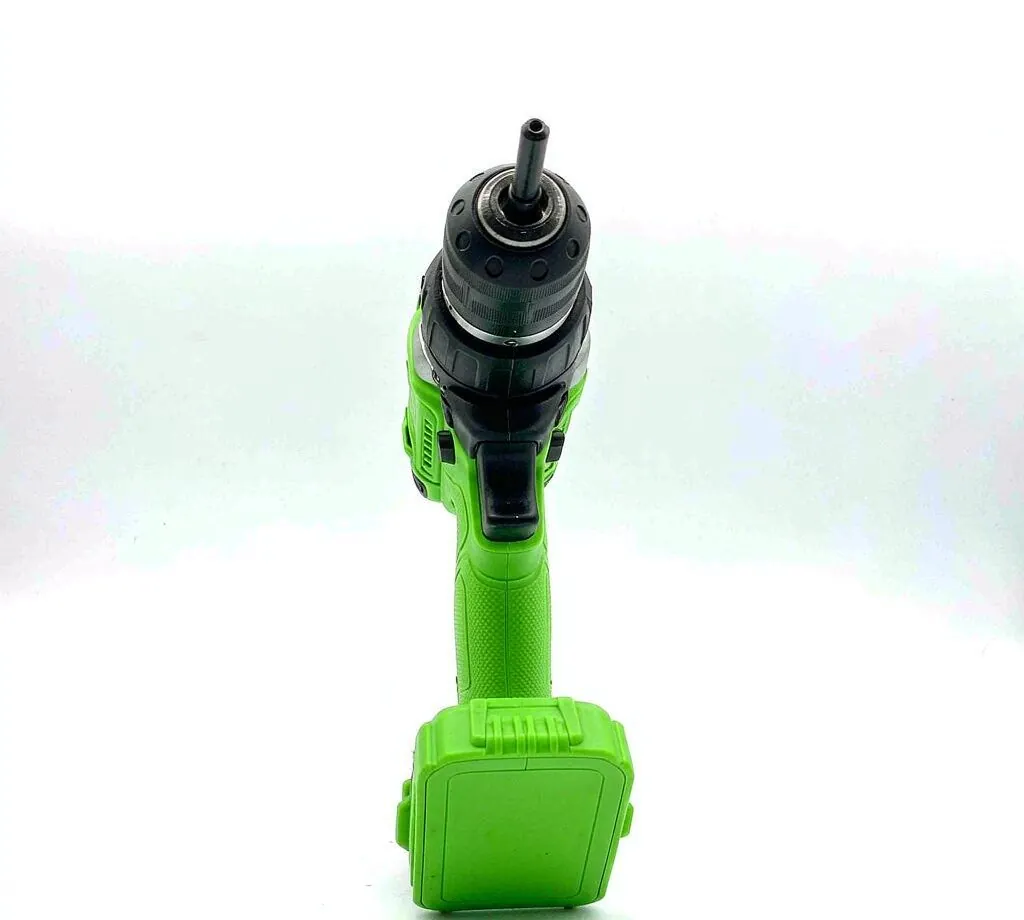 The photograph shows a representative drill from the category. Voltage, chuck type and battery platform follow the approved sample, and the image is illustrative rather than a picture of your goods.
We have sourced cordless power tools out of the Zhejiang and Jiangsu clusters for years. Three failures repeat. A drill sold as a stated voltage arrives with a battery pack that is nominal in name and smaller in cell count. A chuck that ran true on the sample arrives with visible runout on the bulk. And certification documents arrive as generic scans that do not name the factory, the model or the test date, which makes them useless to a customs officer or a buyer.
This page covers what the motor, battery and certification words mean, what belongs on the order sheet, and the checks that catch a weak lot. The supply base behind the category is in our wholesale hardware and tools overview.
Motor, battery and chuck
The motor sets the feel of the tool. A brushed motor costs less and wears at the brushes; a brushless motor is more efficient, runs cooler and lasts longer. The specification should name which one, because the difference is invisible from outside and decisive over the life of the tool.
The battery platform is the commercial decision inside the technical one. Voltage alone does not describe performance, since capacity, cell quality and the protection board all affect how the tool performs under load. The cells inside a pack are the single most substituted part in this category.
The chuck is where the user feels quality. A keyless chuck has to grip a bit concentrically, hold it against torque and release cleanly. Runout, measured with a dial gauge on a bit, is the number that describes it.
Specifications and minimum order
Our minimum order is 1 piece, so you can start with a single unit and scale up once the sample is approved. Every line below changes what the factory assembles and what documents have to travel with the goods. We do not print prices or schedules here, because cell and motor inputs move; send the voltage, the platform and the quantity, and we come back with a live quotation and a firm production slot.
| Specification | What to confirm before you order |
|---|---|
| Motor type | brushed or brushless, named, with the rated power stated |
| Battery platform | nominal voltage, capacity, cell brand and the protection board fitted |
| Torque | the torque figure with the test method, plus the clutch stage count |
| Chuck | size, keyless mechanism and the runout the bulk must hold |
| Charger | input voltage and plug type for each destination market |
| Certification | the standards claimed, with documents naming the model and the factory |
| Minimum order | stated per platform and per kit configuration, since batteries are matched |
Minimums in power tools are driven by the tooling, the cell order and the certification cost, so one platform across a small tool family is the cheapest way to build a range. Our sourcing service covers the factory screening, the sample round and the inspections below.
What the battery and certification words mean in practice
Voltage is a label and capacity is the useful number, and both can be stated in ways that flatter the product. A pack described by its peak voltage holds fewer cells than the same figure suggests, and a capacity quoted at a low discharge rate falls short under the load a drill applies. The honest specification names the cell and the capacity.
Certification is a document chain rather than a logo. A test report is useful only if it names the exact model, the factory that built it and a date after the design was frozen. A general certificate that covers a family of products is a starting point, not evidence, and a buyer who has to satisfy a customs or market authority needs the model specific version.
Charger and plug configuration is the last piece and the easiest to forget. A tool sold into several markets needs the right input voltage and the right plug on the charger, and those are separate ordering lines rather than a detail of the box.
What belongs in the purchase order
One page attached to the PO is what protects the reorder. Cover these points:
- Motor type and rated power
- Battery platform, capacity and the cell brand inside the pack
- Torque figure with the test method, and the clutch stage count
- Chuck size with the runout tolerance the bulk must hold
- Charger input voltage and plug type per market
- A penalty clause if the bulk lot differs from the approved sample
Inspection points that catch a weak lot
These checks find what a product photograph cannot:
- Bench test torque. Load a bulk drill and measure the stall point against the claim. A weaker motor or a lighter pack shows here.
- Measure chuck runout. Fit a bit and read the runout with a dial gauge. Wobble is visible to the user and measurable at inspection.
- Open a pack. Where the contract allows, check the cell brand and count inside a battery pack. Cells are the most substituted part.
- Read the documents. Confirm the test report names the model, the factory and a date after the design freeze.
- Check the charger. Confirm the input voltage and plug on a bulk charger against the destination market.
An independent inspection before loading catches all five at the cheapest point. Factory inspection covers this category, and the wider system is set out in our guide to auditing Chinese suppliers.
Frequently asked questions
Is a higher voltage always a stronger drill?
No. Voltage describes the platform rather than the performance, and capacity, cell quality and the motor decide what the tool can actually do. Two drills at the same claimed voltage can differ substantially once the pack under load is taken into account.
What certification should a cordless drill carry?
It depends on the destination market, and the practical requirement is a test report that names the exact model, the factory and a recent date. A general certificate covering a product family is a starting point rather than the evidence a customs or market authority will accept.
Why does the battery matter more than the tool?
Because the platform is what customers return to. A buyer who already owns batteries and a charger buys a bare tool and stays on the platform, which is why the pack and its cell quality carry more commercial weight than any single tool in the range.
Request a quotation
Send the voltage, the platform, the kit configuration and the quantity you need, plus the market you sell into. We come back with factory options and current bands within two business days.
