
Wholesale School Backpacks from China
School backpacks are bought by the thousand and judged by children, which makes the category unusually unforgiving. A strap that fails in October, a zip that jams when the bag is full of books, or a print that flakes off in the rain all become complaints long before the next school year.
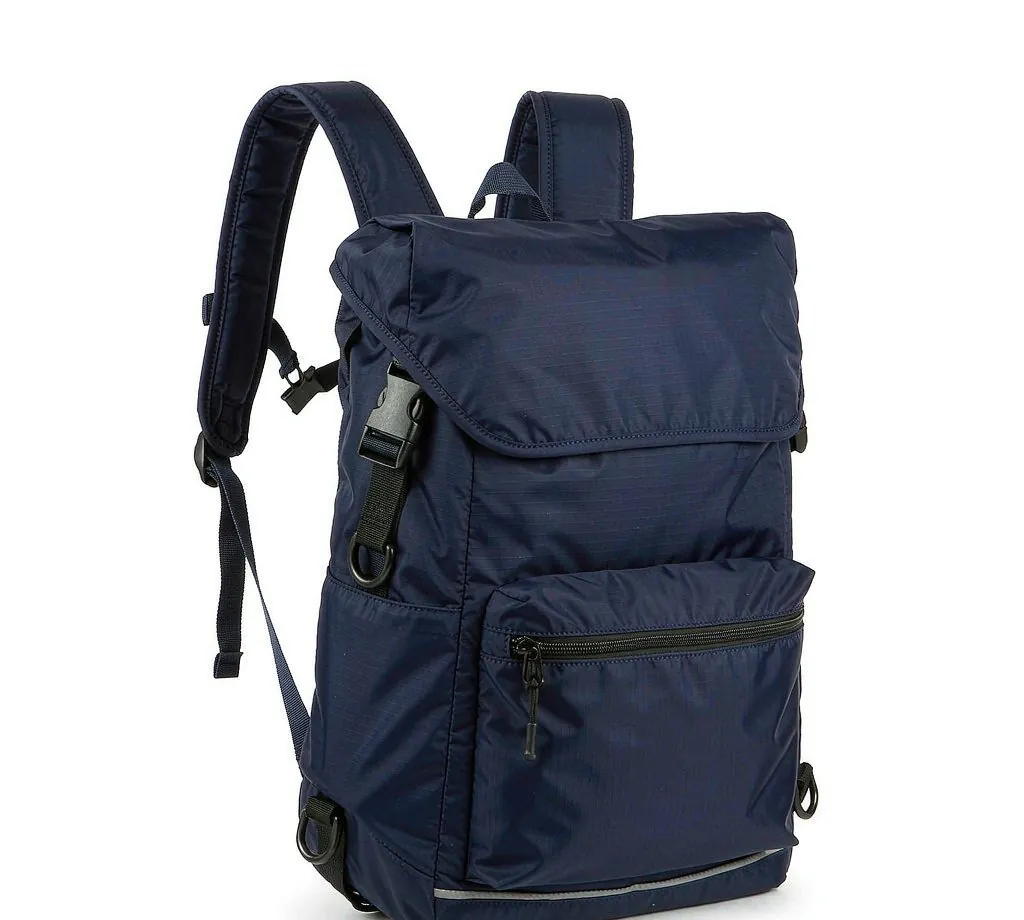 The photograph shows a representative backpack from the category. Colour, trim and print follow the approved sample, and the image is illustrative rather than a picture of your goods.
We have sourced school bags out of the Fujian and Zhejiang clusters for years, and the same three failures come back. A fabric sold at a denier that thins the moment the order grows. A shoulder strap sewn to a price rather than to a load, which lets go at the top anchor. And reflective trim that was decorative on the sample and absent from the bulk, which matters on any bag a child carries home in winter.
This page covers what the fabric and hardware words mean, what belongs on the order sheet, and the checks that catch a weak lot. The supply towns behind the category are in our wholesale bags and luggage overview.
Fabric, straps and the parts children break first
The fabric is the specification that most affects the life of the bag, and denier is the number that describes it. Higher denier means a heavier yarn and a sturdier weave, which is what keeps a bag sitting upright when it is empty and stops the base wearing through on a floor. The denier belongs on the order sheet, and the bulk is checked by feel and by weighing a cut swatch.
Backing is the second half of that story. A woven fabric is finished with a coating, and the coating decides whether the bag shrugs off a rain shower or soaks through. A polyurethane backing is the common middle ground; a thin coating saves weight and money and shows its limits in a wet season.
The straps carry the load, and the weakest point is the top anchor rather than the webbing. Strap failures are almost always stitching failures, so the check is a pull test on a finished bulk bag, not an inspection of the sample.
Zips and sliders are where a cheap bag feels cheap. Coil zips vary in size and in the quality of the slider, and a size or two down from the specification produces a bag that snags at the corners once it is fully loaded.
Specifications and minimum order
Our minimum order is 1 piece, so you can start with a single unit and scale up once the sample is approved. Every line below changes what the factory sews. We do not print prices or schedules here, because fabric and hardware inputs move; send the sizes, the fabric and the quantity, and we come back with a live quotation and a firm production slot.
| Specification | What to confirm before you order |
|---|---|
| Fabric and denier | the yarn count and the weave named, verifiable by weighing a swatch |
| Backing | the coating type and how it behaves in rain |
| Straps | webbing width, padding thickness and the load the top anchor must hold |
| Zip | coil or metal, the size, and the slider grade |
| Compartments | laptop sleeve, bottle pocket and organiser pockets, itemised |
| Reflective trim | position, and whether it is retroreflective or decorative |
| Minimum order | stated per colourway, since fabric is dyed in runs |
Minimums in sewn bags are driven by fabric dyeing and by the printing setup, which is why one colourway across a size range is the cheapest way to start. Our sourcing service covers the factory screening, the sample round and the inspections below.
What the fabric words mean in practice
Denier is a weight per length, so a higher number means a heavier yarn rather than a better fabric by itself. A high denier woven loosely is weaker than a moderate denier woven tightly, which is why the specification names the yarn and the weave together rather than a single figure.
Water resistance is measured, not asserted. A coating keeps water out until the fabric is flexed enough to break the film, and a bag used daily will flex at the same folds. A simple shower test on a bulk bag, flexing the panel under running water, tells you more than any claim.
Reflective trim has its own trap. Genuine retroreflective tape returns light to its source and shows up in a headlight; a decorative silver trim looks similar in daylight and does nothing at night. If a customer buys on visibility, the grade has to be named and checked with a torch.
What belongs in the purchase order
One page attached to the PO is what protects the reorder. Cover these points:
- Fabric denier, weave and backing, referenced to an approved sample
- Strap webbing width, padding and the anchor load requirement
- Zip type and size, plus the slider grade
- Compartment layout and the laptop size the sleeve must fit
- Reflective trim grade and position
- A penalty clause if the bulk run differs from the approved sample
Inspection points that catch a weak lot
These checks find what a product photograph cannot:
- Pull the top anchor. Load a bulk bag to its rated weight and lift it by one strap. Stitching is what fails, so this is the test that matters.
- Zip a full bag. Fill a bulk bag and close every zip. Corners and the base of the curve are where a slider gives trouble.
- Test the coating. Run water over a panel while flexing it, then check the inside for damp.
- Check the trim with a torch. Hold a light at eye level and look for the return. Decorative trim stays dull.
- Weigh a swatch. Thinning is the quiet change, and a cut swatch is the evidence.
An independent inspection before loading catches all five at the cheapest point. Factory inspection covers this category, and the wider system is set out in our guide to the sample versus bulk gap.
Frequently asked questions
What denier should a school backpack be?
It depends on the age group and how the bag is carried. The useful move is to fix a denier and a weave for your market on the sample, then hold both on every reorder. Changing either one mid season is what produces a lighter, floppier bag.
How do I stop a supplier swapping the zip?
Name the zip type and size in the PO and check sliders on finished bulk bags. A swap is easy to make and hard to see, so the counter move is a specification in writing plus a physical check at inspection rather than a claim on a spec sheet.
Can printed logos flake off?
On a coated fabric, adhesion depends on the print method and on surface preparation. Screen print and heat transfer behave differently, and a bag that folds across the print will stress it. Agree the method on the sample and flex the printed area at inspection.
Request a quotation
Send the sizes, the fabric specification, the compartment layout and the quantity you need, plus the market you sell into. We come back with factory options and current bands within two business days.
