Custom Toy Moulds and New Tooling from China
Every stock-mould toy in the market started as a drawing and a block of steel. Opening your own tool is how a buyer stops sharing a product with three other importers and starts owning the shape, and it is the step where the money involved jumps from a production budget to a capital one.
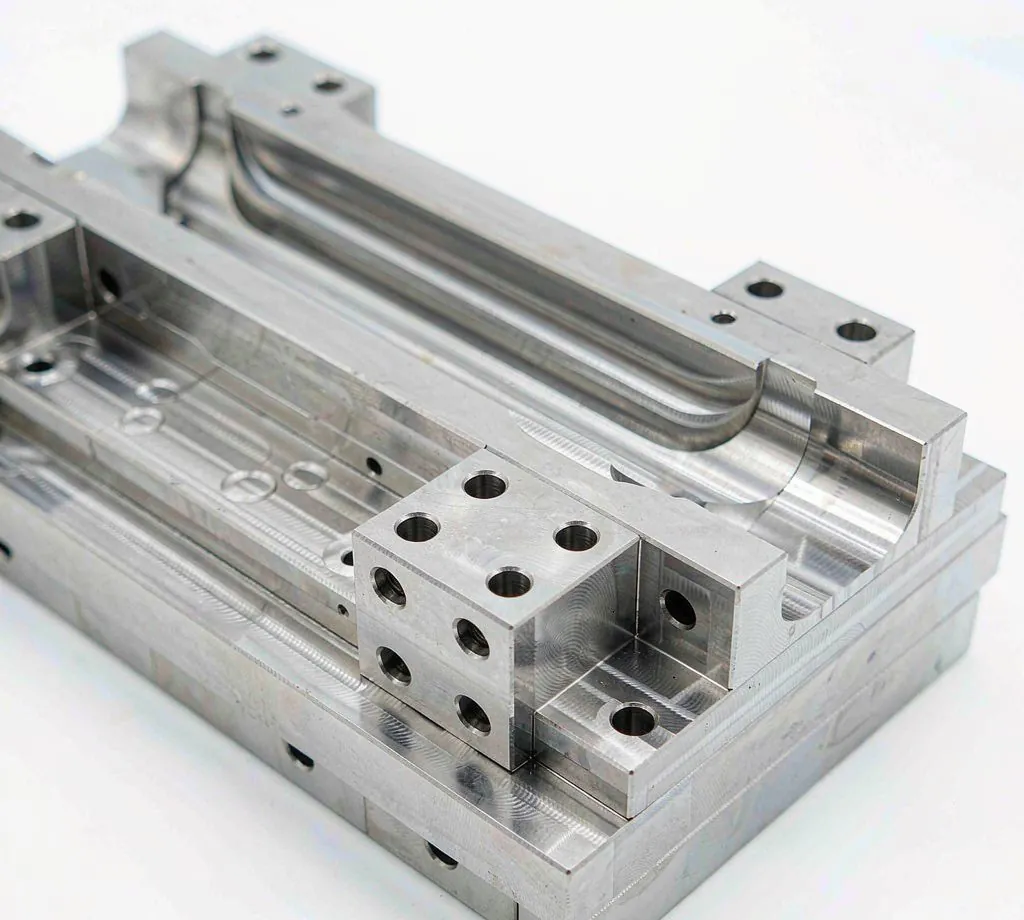 The photograph shows representative tooling from the category. Steel grade, cavity count and cooling layout follow the agreed drawing, and the image is illustrative rather than a picture of your tool.
We have managed tooling projects out of Chenghai, Dongguan and Zhejiang for five years. The same three failures come back. The mould is quoted on a soft steel grade and wears out inside two seasons. Ownership is never written down, so the tool the buyer paid for belongs to the factory by default. And approval is given on a photo of a first sample rather than on a measured first-article report, which is how a tolerance problem reaches mass production.
This page covers what belongs in a tooling agreement, how a first-article approval should work, and the checks that stop a soft tool from becoming a permanent cost. It sits inside our wholesale toys programme, and the design stage that comes before it is handled by our product design service.
Steel, cavities and cooling: what the tool quote actually covers
Steel grade sets the working life. Soft grades suit a short run or a simple part and lose their polish quickly, which shows up as flash and a dull surface. Hardened grades cost more at the start and hold tolerance for hundreds of thousands of shots. For a transparent or optical part, a corrosion-resistant polished grade is not a luxury, it is the difference between a clear window and a hazy one.
Cavity count sets the production rate. A single-cavity tool runs one part per cycle; a multi-cavity tool multiplies output but demands a larger press and tighter balance across the cavities. Cavity imbalance is a real failure mode: one cavity can run short while the others fill properly, and the resulting parts are dimensionally different inside the same box.
Cooling layout is the least discussed item on a tool quote and one of the biggest levers on part quality. Poor cooling warps a flat part, leaves sink marks over thick sections and stretches cycle time. It is worth asking for the cooling schematic as part of the tool package, because it is the item most often left out when a quote is trimmed.
Specifications and terms to confirm
Once the tool is approved and first articles pass, the smallest production run is set by the factory rather than by us. It moves with the part, the material and the machine the tool is booked on, so we confirm the run size for your part before you commit to production. Every line below belongs in the tooling agreement rather than in an email thread. We do not print mould costs or schedules here, because they move with steel prices and press availability; send us the part, the volume and the material, and we come back with a live tooling quotation and a firm programme.
| Item | What to confirm before you commit |
|---|---|
| Steel grade | named, with the expected working life in shots written into the agreement |
| Cavity count | the number of cavities and whether they are balanced on the same runner |
| Runner type | cold or hot runner, stated, since it changes both part cost and start-up waste |
| Ownership | who owns the tool, and the buyer’s right to move it to another plant |
| First article | the sample round, the measurement report and the approval sign-off process |
| Spare parts | cores, inserts and ejector pins supplied with the tool, itemised |
| Volume basis | the annual or launch volume the tool is designed to serve |
Tooling projects carry more setup than any stock-mould order, and they are worth running with a written stage plan rather than a verbal one. Our sourcing service covers the factory selection, the programme management and the first-article inspection described below.
How a first-article approval should run
A first-article approval is a measurement exercise, not a visual one. The factory pulls samples from the first production-intent run, measures every dimension on the drawing, and issues a report showing what was measured against what was specified. Photographs of a good-looking sample are a supplement to that report, never a replacement.
The report is where tolerance decisions get made honestly. A part that is outside tolerance on a non-critical dimension can usually be accepted with a note; a part outside tolerance on a mating dimension cannot, because it will fail at assembly on the customer’s floor. Approving the first article with notes is normal. Approving it without a report is how a tool gets signed off and a problem gets multiplied by the whole production run.
Two further points belong in the programme. A tool should be run again after any steel repair or insert change, because a repaired cavity is a new cavity until it is measured. And intellectual property has to be settled before the drawing is released: character shapes, protected designs and registered marks all carry legal exposure that no tooling discount is worth.
What belongs in the tooling agreement
One signed page is what protects the investment. Cover these points:
- Steel grade, cavity count, runner type and expected working life in shots
- Tool ownership in the buyer’s name, with the right to relocate the tool
- The drawing revision the tool is built to, and the change-control process after that
- First-article requirement: measurement report, sample quantity and sign-off stage
- Spare cores, inserts and ejector pins listed as part of the delivery
- Maintenance responsibility during the first production season
Inspection points that catch a soft tool
These checks decide whether the tool is worth what was paid for it:
- Measure the first article. Check key dimensions against the drawing yourself, not only against the factory’s own report.
- Look at flash and sink marks. Flash on a new tool means poor fit or a soft steel face; sink marks over thick sections mean cooling was under-designed.
- Compare cavities. Take one part from each cavity and measure across them. An unbalanced runner shows up as dimensional spread inside one shot.
- Check the ejection. Look for witness marks from ejector pins on a visible face. Marks left at the tool stage stay for the life of the tool.
- Confirm the tool inventory. Count the spare inserts and cores delivered against the agreement before the final payment.
An independent inspection at the first-article stage is the cheapest point in a tooling programme, because every problem found there is still a drawing change rather than a production loss. Factory inspection covers first-article work, and the supplier-screening method behind the factory choice is set out in our supplier audit guide.
Frequently asked questions
Who owns the mould I pay for?
Whoever is named in the agreement, and that is exactly why the agreement has to name it. In the absence of a written term, factories treat the tool as their own asset and will run it for other buyers or decline to release it. Write the ownership clause, state the buyer’s right to relocate the tool, and keep a copy of the drawing revision it was built to.
How many samples should I approve before production?
One measured first article plus at least one full production-intent run is the practical minimum. The first sample proves the geometry; the production run proves the process, the cycle and the cavity balance. Approving on a single hand-made sample is the most common way a tooling project runs late.
Can I adapt an existing product instead of opening a new tool?
Sometimes. Changing colour, finish, packaging and accessories costs nothing in tooling, and it is how most first products enter the market. Changing the shape or adding a feature means a tool change or a new insert. That decision belongs in the design stage, and it is worth settling before any tool steel is ordered.
Request a quotation
Send the drawing or reference part, the material, the volume you expect and the market you sell into. We come back with factory options, tooling approaches and current bands within two business days.