
Wholesale Mummy Sleeping Bags from China
The mummy sleeping bag is the item where a specification failure is felt at two in the morning. Three season bags for camping retail, hike brands and rental fleets are all bought in this shape, and the price range inside the shape tracks one variable above all: what is inside the bag, and how honestly the temperature rating describes it.
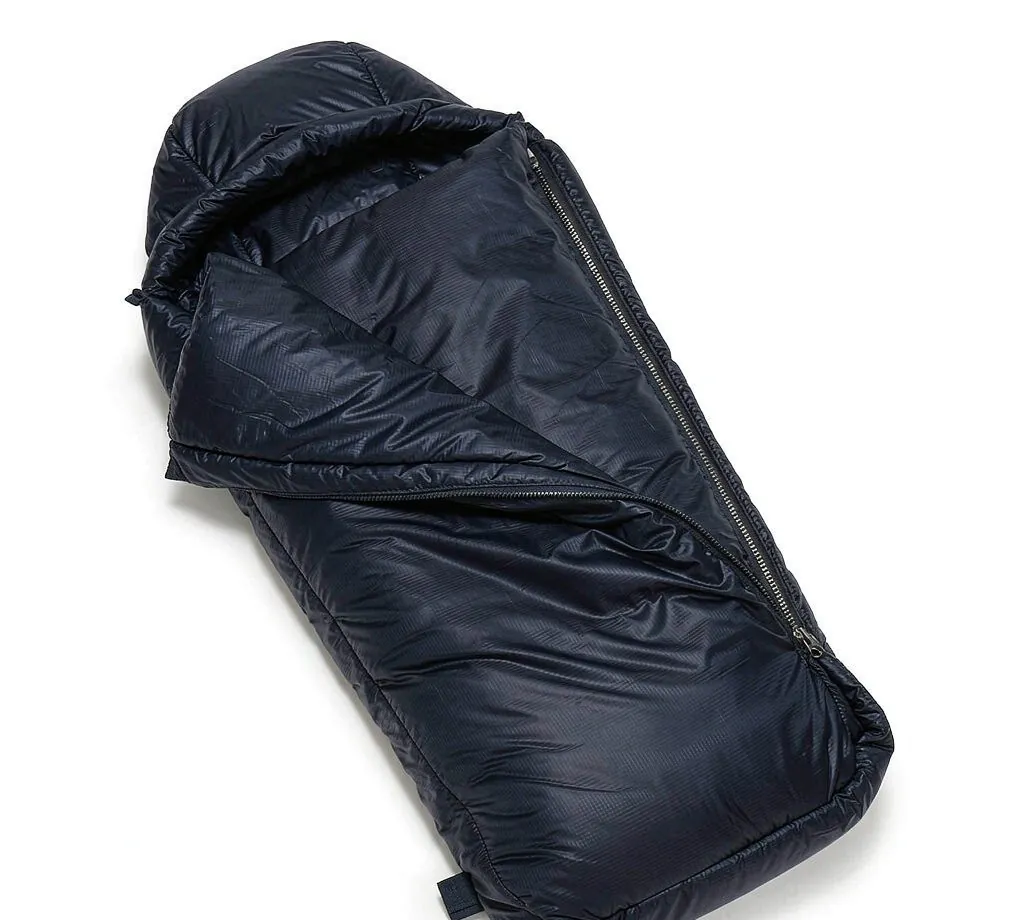
The failures: a comfort rating printed from a wish rather than a test, fill that shifts into clumps after one compression cycle, and stitching that lets the fill migrate through the shell. A customer who sleeps cold once does not return, which makes this the category where the rating clause earns its keep.
All three failures are testable. The cluster context is in our wholesale outdoor products overview.
Fill, shell and the honest rating
Fill divides into synthetic hollow fibre and down. Synthetic is heavier, cheaper, insulates when damp and survives abuse; down is lighter, compresses smaller and is graded by fill power, the volume one ounce of down lofts. Both are real products for real markets, and the specification mistake is buying one while writing the marketing of the other.
The temperature rating is the credibility test. Ratings come from standardised testing with defined manikins and protocols; a rating without a test behind it is a guess. Shell fabric is ripstop nylon or polyester, and the baffle construction, sewn through or boxed, decides where the fill can migrate.
Specifications and minimum order
Down and fibre prices move with raw material markets, so live figures come with the quotation. Fix these points.
| Specification | What to confirm before you order |
|---|---|
| Fill | Synthetic weight or down fill power, with the total fill weight |
| Rating | Comfort and limit ratings, tied to a named test method |
| Shell | Nylon or polyester ripstop, denier and the DWR finish |
| Baffles | Sewn through or boxed, and the fill migration control |
| Zip | Full length with anti snag guard, and the draft tube |
| Packing | Compression sack spec and the compressed volume |
| Minimum order | Hundreds per spec in practice; down models carry higher minimums because of material batching |
Our minimum order is 1 piece, so the filled sample is slept in and approved before any production commitment. The production minimum follows the fill and shell batching, and we confirm it against your spec. Our sourcing service screens the bag plants and the fill suppliers.
Fill migration is the quiet failure
A sleeping bag works because fill is distributed evenly. Sewn through construction stitches shell to lining in lines, and the stitch lines become cold seams where no fill sits; boxed baffles cost more and remove the cold seam. On cheap bags the real failure is simpler still: loose stitching lets fill migrate to the bottom hemisphere over months of use, and the bag that was warm in autumn is thin by spring.
Compression is the second wear factor. Every cycle of the stuff sack stresses the fill and the stitch lines, and the compression sack spec is part of the product, not an accessory. Our quality assurance service writes the loft and migration checks into the order.
What belongs in the purchase order
- Fill type, weight and, for down, the fill power with its lot documentation
- Temperature ratings tied to a named test method, stated as comfort and limit
- Shell fabric with denier and finish, and the baffle construction
- Zip grade, draft tube and the anti snag detail
- Compression sack spec and compressed volume
- Care label and fill content labelling to the destination market’s rules
Checks that catch the repeat failures
- Loft check. Shake out a bulk bag and measure the loft height against the sample; clumped fill reads as low loft.
- Shake test. Shake the fill back and forth ten times, then check for cold seams and thin zones.
- Down documentation. Match the fill power certificate to the lot used in your production dates.
- Zip cycle. Run the zip fifty times with the anti snag engaged; snagging begins at the guard gaps.
- Compression recovery. Compress a bulk bag in the sack for a day, then measure loft recovery; slow recovery means tired fill or overstuffing.
These checks are standard work in a pre shipment inspection, and our factory inspection service covers outdoor textile plants. For the fuller method, see our pre shipment inspection guide.
Frequently asked questions
Synthetic or down for a first product?
Synthetic for value retail, damp climates and rental fleets, down for weight sensitive buyers and premium shelf positions. Both are honest products when the rating is tested. The mistake is a synthetic bag marketed with down language. Our minimum order is 1 piece for sampling either fill.
How do I verify a temperature rating?
Ask which test method produced it and see the report. If the factory has no test, the rating is a guess, and we either commission the test or write the rating conservatively from comparable fills. This is the one clause in the category we will not leave to marketing.
Why did my last order arrive cold?
Usually fill weight below the specification, or fill migrated by poor baffling. Both are invisible in a carton and obvious in a loft check, which is why the loft and shake tests are on every loading inspection for this category.
Request a quotation
Send the season rating, fill preference and your market. We come back with fill and shell options plus the workable minimum within two business days.
