
Wholesale Private Label Lipstick from China
Private label lipstick is the point where a cosmetics order stops being a packaging purchase and becomes a finished consumer product. That changes the conversation: the bullet is a formulation with a shelf life, the case is a mechanism, and the shade is a claim the customer will judge in daylight.
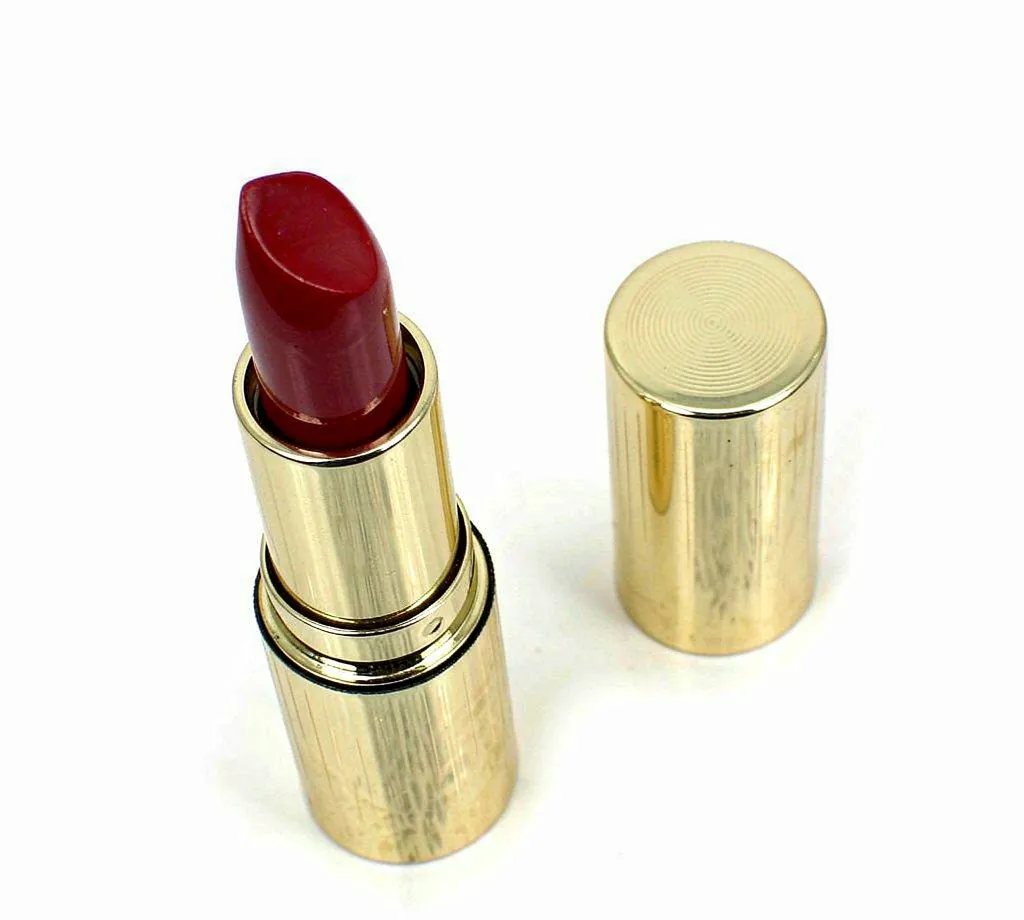 The photograph shows a representative lipstick from the category. Case finish and shade follow the approved sample, and the image is illustrative rather than a picture of your goods.
We have sourced private label colour cosmetics out of the Guangdong and Jiangsu clusters for years. Three failures repeat. A shade approved from a screen arrives visibly different on the bulk, because colour in a wax base never matches a monitor. A bullet that held its shape in a cool factory slumps in a warm warehouse. And a case that opened smoothly on the sample arrives with a mechanism that catches, because the mould was run slightly off tolerance.
This page covers what the formula and case words mean, what belongs on the order sheet, and the checks that catch a weak lot. The supply base behind the category is in our wholesale beauty and cosmetics overview.
Formula, shade and case
The formula base is the first decision and the one that constrains everything else. A wax base, a cream base and a long wear film behave differently in wear, in feel and in how they age. Each family has a range of finishes within it, so the specification names the family and the finish rather than a single word.
The shade is a physical standard, not a code. Colour in a pigmented wax is affected by the batch of pigment, the base and the temperature at which it is poured, so a shade is held by keeping a numbered approved sample that both sides compare against under a fixed light.
The case is a mechanism and is judged as one. A lipstick tube has a mechanism that raises and lowers the bullet, a sleeve that holds it, and a cap that has to click. Tolerance in any of those parts shows immediately, because the customer works the mechanism every time they use the product.
Specifications and minimum order
Our minimum order is 1 piece, so you can start with a single unit and scale up once the sample is approved. Every line below changes what the factory fills and assembles. We do not print prices or schedules here, because pigment and packaging inputs move; send the shade, the formula family and the quantity, and we come back with a live quotation and a firm production slot.
| Specification | What to confirm before you order |
|---|---|
| Formula family | wax, cream or film, with the finish named |
| Shade | a numbered physical standard, compared under a fixed light |
| Bullet | weight, diameter and shape, referenced to a filled sample |
| Case | material and finish, plus the mechanism type and the cap click |
| Stability | the heat and time the filled unit must survive without change |
| Labelling | the ingredient list and the artwork, agreed against the destination rules |
| Minimum order | stated per shade, since each shade is a separate pigment batch |
Minimums in colour cosmetics are driven by the pigment batch, which is why a tight shade range fills more consistently than a wide one. Our sourcing service covers the factory screening, the sample round and the inspections below.
What the formula words mean in practice
Wear and comfort pull against each other, and the formula family is the trade. A long wear film stays put through a meal and feels drier; a cream formula feels better and transfers more. Neither is a defect, and the mistake is choosing a family for its name rather than for the market.
Stability is the property that decides whether a container arrives sellable. A wax bullet softens in heat and can slump or sweat, which is a warehouse and shipping question as much as a formula one. A filled unit held warm for a defined period is the standard test, and it belongs before the bulk run rather than after.
Regulation completes the picture. Cosmetic products are regulated in most markets, the notification and labelling duties sit with the brand owner rather than the factory, and the ingredient list has to match what is in the tube. Getting that chain right is a documents exercise and it is worth starting before the shade is locked.
What belongs in the purchase order
One page attached to the PO is what protects the reorder. Cover these points:
- Formula family and finish, referenced to a numbered approved sample
- The physical shade standard, with the comparison light named
- Bullet weight, diameter and shape
- Case material, finish and mechanism type
- Stability requirement for heat and time
- A penalty clause if the bulk lot differs from the approved sample
Inspection points that catch a weak lot
These checks find what a product photograph cannot:
- Compare shades together. Line up bulk units against the physical standard under one light. Comparing one unit at a time hides batch drift.
- Heat test a filled unit. Hold a filled bulk unit warm for a defined period, then look for sweating, slump and any change at the surface.
- Work every mechanism. Raise and lower the bullet on a sample of bulk units and check for catching or wobble.
- Weigh the bullet. Compare the filled weight against the claim, because a light bullet is a quiet way to save material.
- Check the cap. Close and open the cap repeatedly and confirm the click and the fit.
An independent inspection before loading catches all five at the cheapest point. Factory inspection covers this category, and the wider system is set out in our guide to the quality control system.
Frequently asked questions
Who is responsible for cosmetic compliance?
The brand owner in most markets, which means the notification, the safety file and the labelling sit with you rather than with the factory. The factory supplies the ingredient list and the documentation, so the practical step is to agree the document pack before the shade is locked.
How do I stop shade drift across batches?
Keep a numbered physical standard for every shade and compare bulk against it under a fixed light. Pigment batches and pour temperature both move colour slightly, so drift is normal; what matters is measuring it against a fixed reference rather than a screen.
Should the case be stock or custom?
A stock case carries a much lower minimum because the mould exists, which suits a launch or a test range. A custom case fits a specific campaign or a shelf presence, and it needs the tooling lead time and the cost treated as part of the launch plan.
Request a quotation
Send the shade reference, the formula family, the case style and the quantity you need, plus the market you sell into. We come back with factory options and current bands within two business days.
