Core Criteria for Auditing Chinese Suppliers: How to Identify Reliable Factories
Sourcing from China offers incredible opportunities, but finding a trustworthy supplier requires rigorous on-the-ground checks. Even if you can’t visit in person, a skilled sourcing agent can verify factories against these 5 critical criteria to ensure quality, consistency, and reliability.
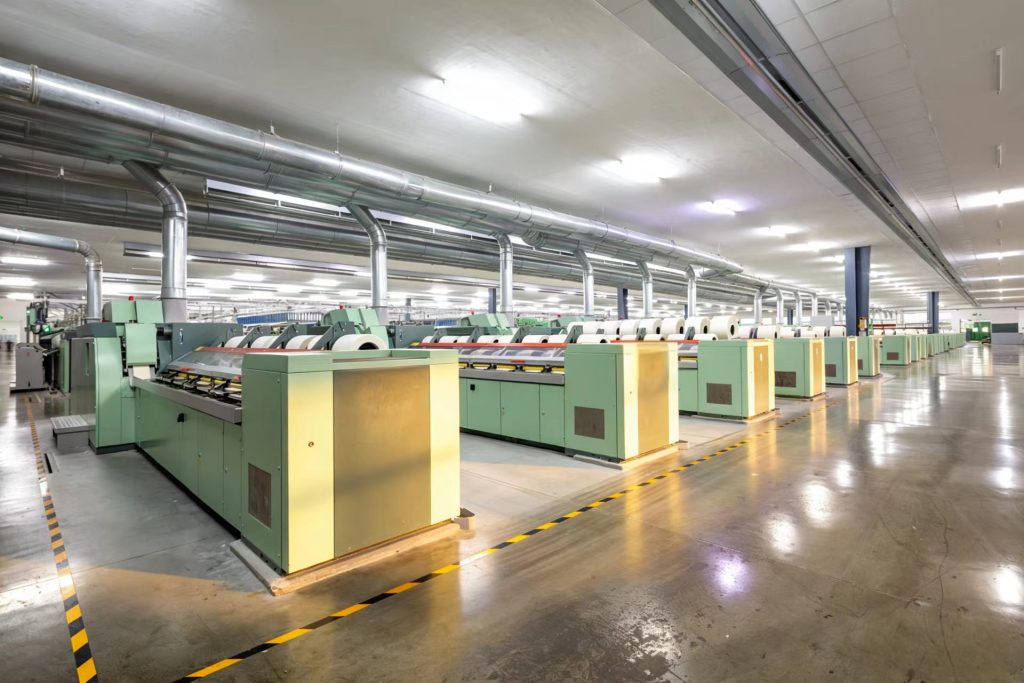
- Production Environment & Equipment: The Backbone of Quality
A factory’s workspace reveals its commitment to standards. During an audit, assess:
- Cleanliness & organization: Is the floor tidy? Are materials stored systematically, or scattered haphazardly? Clutter often leads to errors—like mislabeled parts or contaminated goods.
- Machine condition: Are equipment well-maintained and up-to-date? Outdated, rusted machinery struggles to produce consistent results. For example, a textile factory with aging looms will churn out uneven fabrics.
- Full production capabilities: Does the factory have all equipment needed for your product? A supplier claiming to make electronics but lacking testing tools is a red flag—they’ll likely outsource critical steps, risking quality gaps.
- Raw Material Control: Quality Starts at the Source
Superior products depend on superior inputs. Scrutinize:
- Sourcing transparency: Can they share details on material origins? Reputable suppliers will specify, “We source steel from certified mills in Hebei” or “Our fabrics come from OEKO-TEX®-approved vendors.”
- Incoming inspections: Do they test raw materials before production? Look for quality reports—no documentation means they may use recycled or subpar materials.
- Storage practices: Are materials protected (e.g., moisture-sealed fabrics, rust-proofed metals)? Poor storage ruins inputs before production even begins.
- Quality Inspection Systems: Catching Issues Early
A factory without strict quality control (QC) is a gamble. Check for:
- Dedicated QC teams: Do they have trained inspectors, or is QC an afterthought? Specialized staff spot defects that untrained workers miss.
- End-to-end checks: Do they inspect materials before production, monitor lines during manufacturing, and test finished goods before shipment? Skipping any step invites flaws.
- Documentation: Are there detailed inspection logs? Photos of defects, pass/fail records, and sign-offs prove accountability.
- Workshop Management & Worker Expertise: Order Drives Consistency
Chaos on the floor leads to inconsistent output. Evaluate:
- Training & certifications: Do workers have certifications for specialized tasks? For example, welders with AWS credentials or assembly line staff trained in lean manufacturing minimize errors.
- Safety protocols: Are there clear safety measures (e.g., protective gear, emergency exits)? Factories ignoring worker safety often cut corners on product quality.
- Production flow: Is there a logical workflow (e.g., cutting → assembly → QC)? Disorganized processes cause delays and mistakes.
- Compliance & Ethics: Mitigate Risks
Overlook compliance, and you risk legal or reputational damage:
- Industry certifications: Does the factory hold ISO, FDA, or CE certifications (relevant to your product)? These validate adherence to global standards.
- Ethical practices: Do they follow fair labor laws (reasonable hours, fair wages)? Unethical factories face shutdowns, leaving you with unfulfilled orders.
Why a Sourcing Agent Streamlines Audits
Vetting factories in China demands local expertise—knowing which suppliers “stage” clean facilities for audits, or hide subpar practices. As a sourcing agent, we conduct on-site checks, verify each criterion, and deliver detailed reports (with photos and videos). We cut through the noise to connect you with suppliers you can trust.
Worried about vetting Chinese factories? Let us share our audit checklist and handle the legwork.
What’s your top concern when sourcing from China? Reach out, and we’ll address it.