Made – in – China: From World Factory to Global Innovation Powerhouse
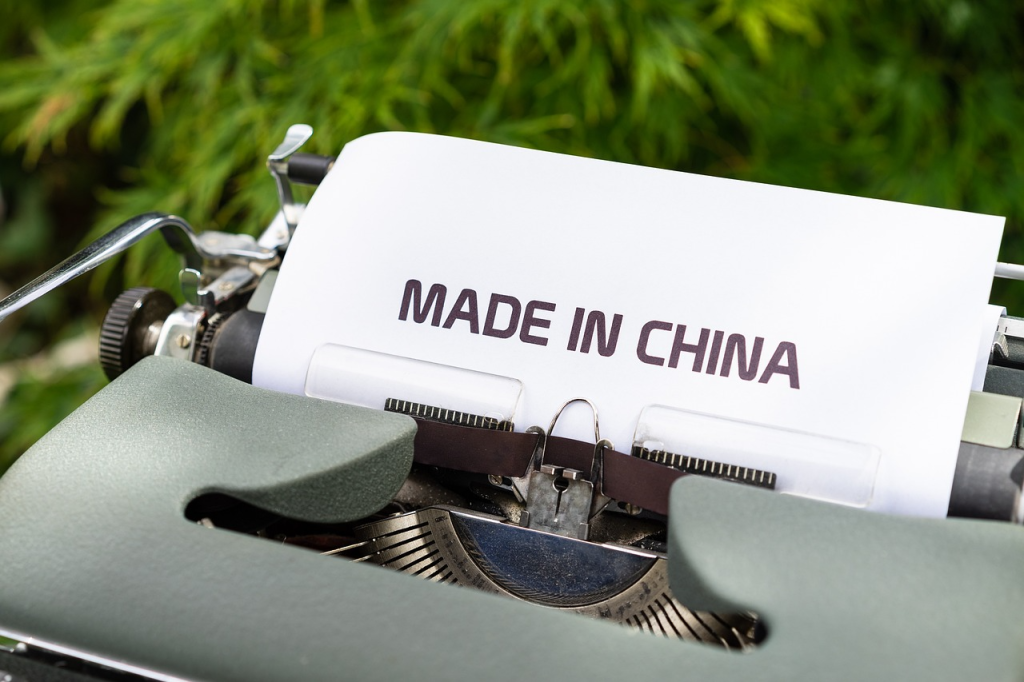
Made – in – China has long been a familiar term globally, but in recent years, it has been undergoing a remarkable transformation. It is no longer just about large – scale production of low – cost products. Instead, it is evolving into a symbol of high – quality, high – tech, and innovation.
The Scale and Influence of Made – in – China
In 2024, Made – in – China accounted for 31.6% of the global manufacturing output. This means that about one – third of the world’s industrial products are from China. As many as 2,087 products from China have the world’s largest export market share, which is four times that of Germany and the United States, and has led the world for five consecutive years. The growth points are not traditional low – end goods, but high – end equipment, mechanical and electrical products, and the “new three items” of green and low – carbon.
Technological Leadership and Market Recognition
The export of Chinese mechanical and electrical products increased by 8.7% in 2024, accounting for nearly 60% of the total export value, and the export of high – end equipment increased by more than 40%. For example, the export volume of new energy vehicles in China exceeded 2 million units. BYD overtook Tesla in Australia, becoming the sales champion of pure – electric vehicles there. In the shipbuilding industry, the three major indicators (completed volume, new orders, and outstanding orders) accounted for more than 50% of the global total, especially in the high – end ship field such as LNG ships, China has surpassed South Korea and ranked first in the world.
A 2025 report released by the Australian Strategic Policy Institute shows that among the 74 key technical fields evaluated, China leads in 66 fields. From artificial intelligence, advanced materials to national defense and space, China is in a leading position in most core areas. This technical leadership has been transformed into market conquest. According to a 2026 survey by Horváth Consulting, 55% of European respondents are considering buying a Chinese – brand car, and in Germany, the recognition rate of Chinese brands has increased from 37% in early 2024 to 52%.
Cultural Output of Made – in – China
Made – in – China is not only exporting product functions, but also cultural influence. In April 2026, a Chinese – made street – sweeper in London played the Chinese song “Orchid Grass” during operation, which was photographed by Chinese overseas students and caused a heated discussion on social networks. This accidental event has become a vivid footnote to the globalization of Made – in – China.
In addition, Chinese cultural products represented by toys and games are also making great progress. Take Pop Mart’s Labubu as an example, this plush figure toy has set off a global craze. Pop Mart’s overseas revenue soared by 475 – 480% in the first quarter of 2025. Chinese – developed games such as “Black Myth: Wukong” and “Genshin Impact” also have a large number of international players.
The Future of Made – in – China
From the “world factory” to the “global innovation powerhouse”, Made – in – China has achieved a transformation in cognition. Relying on its complete industrial chain, continuous technological innovation, and growing brand – building, Made – in – China will surely play a more important role in the global market in the future, and bring more high – quality products and cultural experiences to consumers around the world.