What’s Included in a Product Quotation?
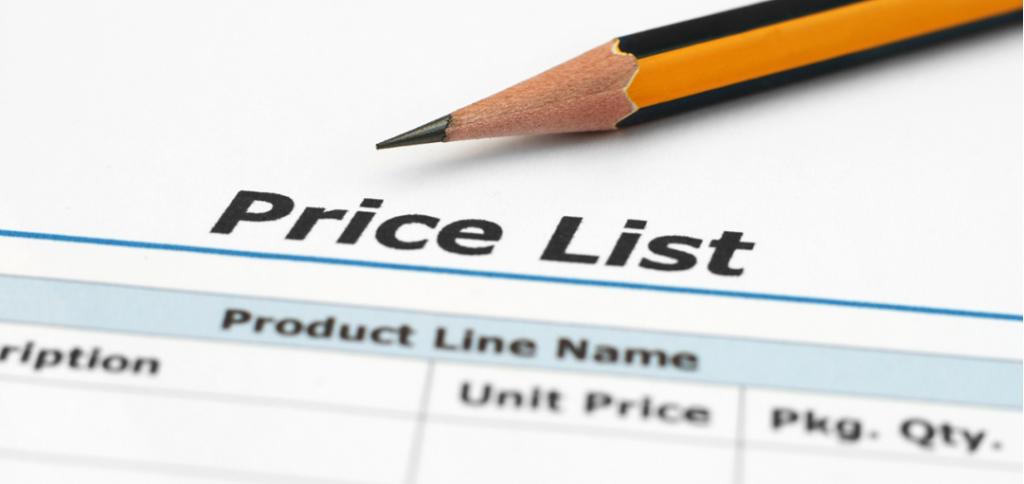
A product quotation isn’t just a number on a page—it’s a detailed breakdown of costs, terms, and commitments that protect both buyer and seller. Whether you’re sourcing from a manufacturer or working with a supplier, knowing what should be in a quotation helps you compare offers fairly and avoid hidden surprises. Here’s what to expect:
- Product Details
Every quotation starts with the basics: product name, model, specifications (size, material, color, quantity), and any customizations (e.g., logos, packaging). This ensures you’re comparing the exact same item across suppliers—no mix-ups with similar-looking products that might cut corners.
- Pricing Breakdown
The total price is critical, but the breakdown matters more. Look for:
- Unit price: Cost per item, which may vary by order quantity (bulk orders often lower per-unit costs).
- Total cost: Sum of all units, including any bulk discounts.
- Additional fees: Tooling costs for custom products, design fees, or packaging charges (e.g., “$50 for custom box printing”).
- Payment Terms
Clear terms prevent confusion later:
- Deposit requirements (e.g., “30% upfront, 70% before shipment”).
- Accepted payment methods (bank transfer, credit card, etc.).
- Currency (to avoid exchange rate surprises—always confirm if it’s USD, EUR, or local currency).
- Lead Time
How long until production finishes and goods ship? A quotation should specify manufacturing time, plus any delays for customization. Missing lead times can derail your timeline, so this is non-negotiable.
- Shipping and Delivery
- Incoterms (e.g., FOB, CIF) to clarify who covers shipping, insurance, and customs (e.g., “FOB Shanghai” means you handle shipping from the port, while “CIF Los Angeles” includes supplier-arranged freight and insurance).
- Delivery method (air, sea, courier) and estimated arrival window.
- Quality and Warranty
Reputable suppliers include guarantees:
- Quality standards (e.g., “Meets ISO 9001” or “30-day warranty on defects”).
- Inspection terms (e.g., “Pre-shipment inspection allowed at buyer’s cost”).
- Validity Period
Quotations expire—prices fluctuate due to material costs or demand. A good quote includes an expiry date (e.g., “Valid for 30 days”) so you know when you need to decide to lock in the price.
A clear quotation leaves no room for “I thought that was included.” Next time you receive one, check for these sections—they’ll help you pick the best offer, not just the cheapest.
Need help decoding a quotation? Share the details, and we’ll break it down.