
Wholesale Gold Plated Brass Earrings from China
Gold plated brass earrings are the volume engine of the fashion jewelry trade: the look of gold at a fraction of the weight and price, refreshed by every season’s collection. The category lives and dies on two specifications, plating thickness and nickel release, and both are invisible until the customer’s earlobe tells the story.
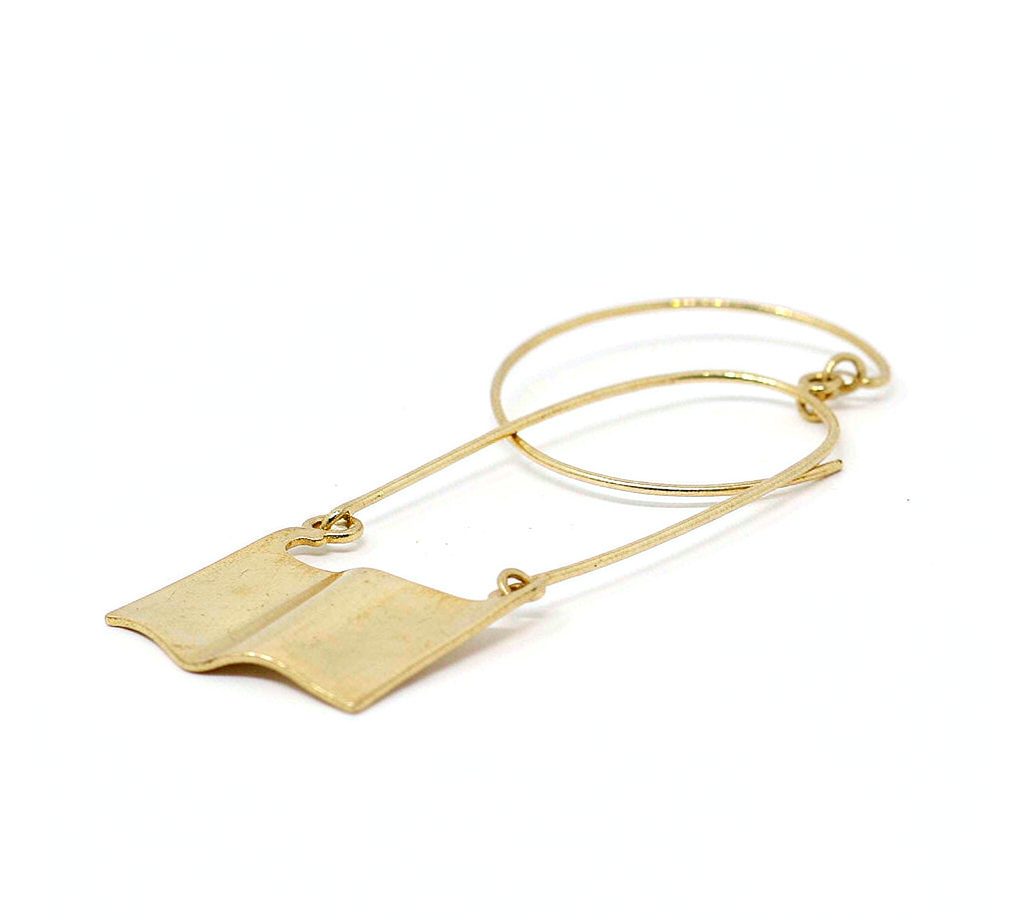
The failures: plating worn through at contact points within weeks because the layer was flash thin, a green or itchy reaction because the nickel release limit was never tested, or stones that lift out of their settings because the glue was a shortcut instead of a mechanical set.
All three are testable on bulk units. The category context is in our wholesale jewelry overview.
Base metal, plating and the rules
Brass is the standard base: it casts and stamps finely, takes plating well and prices reasonably. Plating is measured in microns, and the difference between a flash plate and a durable one is the difference between a season and a year of wear. Posts and contact parts deserve thicker plating than decorative surfaces, because that is where wear concentrates.
Nickel release is the compliance axis for European and many other markets: the alloy and the plating together must sit under a release limit measured in micrograms per week, and the test is a laboratory matter. Claims made without the test are how plated earrings generate returns and, occasionally, regulatory letters.
Specifications and minimum order
Gold and brass prices move with the metals market, so live figures come with the quotation. Fix these points.
| Specification | What to confirm before you order |
|---|---|
| Base metal | Brass named, with lead and cadmium content declared |
| Plating | Micron thickness overall, thicker on posts and contact points |
| Nickel release | Laboratory test to the destination market’s limit |
| Stones | Setting method, mechanical set or glue, and the glue family if used |
| Colour | Gold tone matched to a retained physical standard |
| Packing | Individual bags or boxes, with anti tarnish paper |
| Minimum order | Set by casting or stamping runs, hundreds to a thousand per design in practice |
Our minimum order is 1 piece, so the finished sample is worn, tested and approved before any production commitment. The production minimum follows the casting run, and we confirm it against your design. Our sourcing service screens the plating workshops separately from the casting plants, because they are rarely the same company.
Plating is a workshop, not a factory
In this category the plating step is usually subcontracted, which means the plating workshop is a second supplier hiding inside your quotation. Thickness, bath maintenance and rinse discipline vary between workshops more than casting quality varies between plants, and substitution happens there: a cheaper bath or a thinner layer is invisible on arrival and visible in a month.
The defence is specifying micron thickness per surface, verifying it with an X-ray thickness gauge on bulk units, and keeping the retained colour standard for reorders. Our quality assurance service writes both into the order.
What belongs in the purchase order
- Base metal with lead and cadmium declarations
- Plating thickness per surface, posts included
- Nickel release test to the destination market’s limit, report supplied
- Stone setting method and the glue family, if glue is used
- Colour standard retained for reorders
- Packing: bags or boxes, anti tarnish paper and carton limits
Checks that catch the repeat failures
- Plating thickness. X-ray gauge a sample of bulk units at posts, edges and backs; substitution shows as numbers, not opinions.
- Wear simulation. Rub a bulk post and clasp against cloth for a few hundred strokes; thin plating lifts at the contact points.
- Stone pull. Work each stone with a fingernail; glue set stones lift where mechanical sets hold.
- Document match. Match the nickel release report to the plating lot used in your production dates.
- Colour against the standard. Compare bulk pairs against the retained standard in daylight; tone drift shows between baths.
These checks are standard work in a pre shipment inspection, and our factory inspection service covers jewelry plants and their plating subcontractors. For the fuller method, see our pre shipment inspection guide.
Frequently asked questions
How thick should the plating be?
Enough to survive the product’s real wear pattern, which is why posts and clasps are specified separately from decorative surfaces. The number is measurable and the measurement is the verification. Our minimum order is 1 piece for sampling any thickness tier.
Can we make these nickel free?
Nickel free and nickel release compliant are different claims, and the second is the one regulation actually uses. We specify and test to the release limit for your market rather than relying on alloy labels.
Why did my last batch tarnish in the box?
Usually a plating bath problem, sometimes packing without anti tarnish paper, occasionally both. The X-ray check on bulk units separates the causes in minutes, which is why it is a standard line on this category’s loading inspection.
Request a quotation
Send the design reference, the plating tier and your market. We come back with factory and plating options plus the workable minimum within two business days.
