
Wholesale Stand Up Pouches with Zipper from China
The stand up pouch replaced the rigid container across food, coffee, pet food, supplements and powders because it ships flat, stands on shelf and reseals. It is also the most engineered item in flexible packaging: a laminated film structure where every layer has a job, and getting one layer wrong shows up as a complaint from your customer, not as a visible defect.
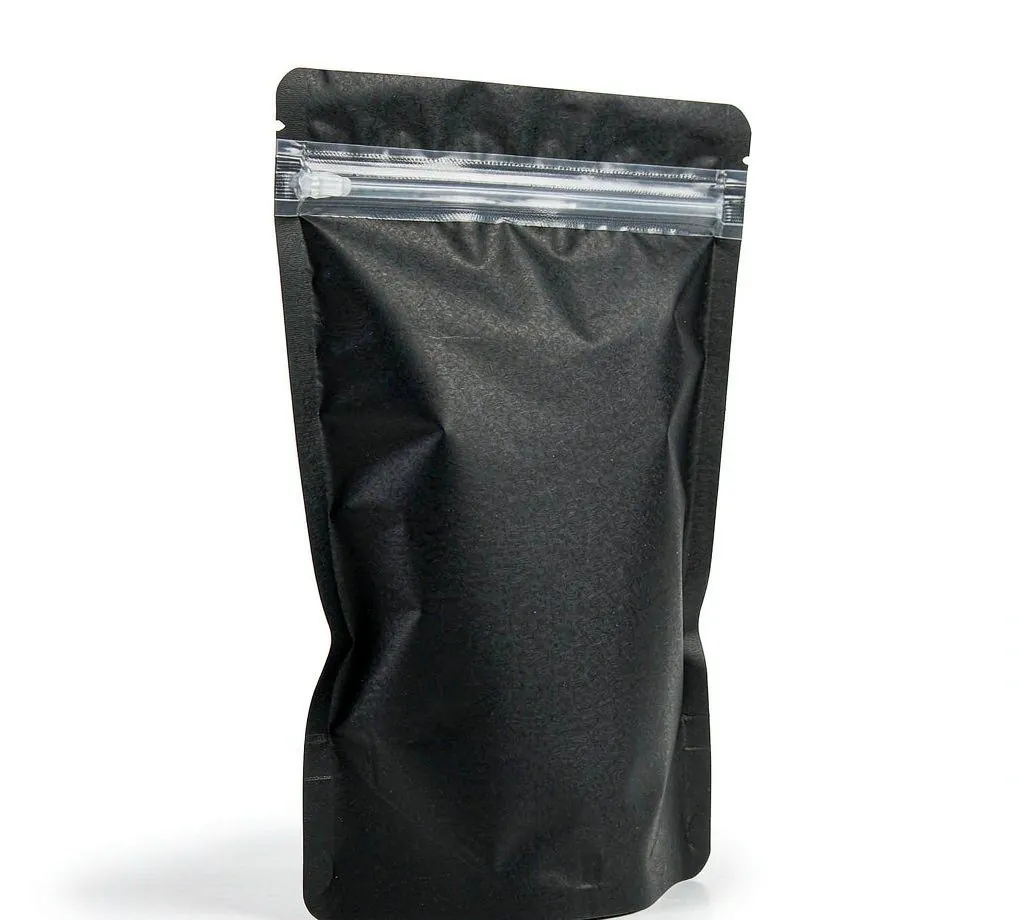
The failures are quiet ones. The pouch loses its barrier and the contents go stale, because the foil or high barrier layer was swapped for a cheaper film somewhere between sample and bulk. The zipper splits after a few opens. Or the pouch leaks at the corner seal under temperature, which only appears in a drop test or in transit.
None of these are visible in a product photograph, which is why the specification and the tests matter more here than the price. The cluster context is in our wholesale packaging overview.
What the film structure does
A pouch is a laminate: an outer print layer for strength and ink, a middle barrier layer that blocks oxygen and moisture, and an inner seal layer that bonds to itself at the seal bars. Coffee and powdered products need real barrier, usually a foil or a high grade coated film; a dry apparel item does not, and paying for barrier you do not need is the most common overspend in the category.
The zipper is a separate extruded profile welded into the film, and the bottom gusset is what lets the pouch stand. Both are sourced components on the converting line, so the factory that prints the film is not always the factory that makes the zipper, which is one more reason the specification is written down.
Specifications and minimum order
Film resin prices move monthly and digital printing has changed the short run economics, so live figures come with a quotation. Fix these points instead.
| Specification | What to confirm before you order |
|---|---|
| Structure | Layers named from outside in, with the barrier type stated |
| Thickness | Total microns, and the barrier layer thickness separately |
| Zipper | Profile type and the pull force you expect when reopening |
| Seals | Bottom, side and top seal widths, and the burst standard |
| Rotogravure for volume, digital for short runs, colour count | |
| Food contact | Stated requirement with the test, if the pouch touches food |
| Minimum order | Gravure printing sets a high floor per design; digital printing removes most of it at a higher unit cost |
Our minimum order is 1 piece, so the physical sample is approved before any production commitment. For runs, the printing method decides the factory minimum: gravure cylinders are the floor, digital is the workaround, and we quote both when your volume sits between them. Our sourcing service covers the converter screening.
Barrier is where substitutions happen
The barrier layer is the expensive part of the laminate and the easiest to thin out invisibly. The pouch looks identical, the print is identical, and the oxygen transmission number doubles. This is why a barrier requirement is written as a named layer with a test, not as the word barrier on a drawing.
Seal integrity is the second quiet failure. Seals are made at speed on the packing line at your co packer as well as at the factory, and a pouch that needs an unusually precise temperature window will leak somewhere else. Ask for the seal window to be demonstrated on a bulk run, not just on laboratory equipment.
What belongs in the purchase order
- Full layer structure named from outside in, barrier type and thickness included
- Oxygen and moisture barrier requirement as a test value, not a description
- Zipper profile and reopening force, agreed on the physical sample
- Seal widths and the burst or drop standard the pouch must pass
- Print method and the retained colour standard for reorders
- Packing: carton counts, and whether pouches ship flat or on reels
Checks that catch the repeat failures
- Seal burst. Squeeze a sealed bulk pouch hard, or press it under weight. Corner leaks show at once.
- Zipper cycle. Open and close the zipper twenty times. A cheap profile gums or splits well before that.
- Drop test. Drop a filled pouch from counter height onto a hard floor. Weak corner seals open on the first drop.
- Barrier paperwork. Match the film specification on the certificate to the structure on the PO, layer by layer.
- Stand test. Fill to the intended weight and stand the pouch for a day; a bad gusset leans or splits at the base fold.
These tests are standard work for a pre shipment inspection, and our factory inspection service covers converting plants as a category. For the fuller method, see our pre shipment inspection guide.
Frequently asked questions
Can I print a short run of pouches?
Yes. Digital printing on pouch film removes the cylinder cost that forces gravure minimums into the tens of thousands. The unit price is higher and the ceiling per design is lower, which makes digital the standard route for a first run or a seasonal flavour. Our minimum order is 1 piece for sampling on either route.
How do I know I am not paying for barrier I do not need?
Define what the contents actually need: shelf life, moisture sensitivity and whether the product is aromatic. A dry, non food item needs a fraction of the barrier of ground coffee. We size the structure to the product instead of defaulting to the heaviest laminate on the factory price list.
Do zippers come in different qualities?
They do, and the difference shows in the reopening force and in how the zipper survives the filling line heat. Agree the profile on the approved sample and test the zipper cycle on bulk production, because the zipper is a sourced component and gets swapped more readily than the film.
Request a quotation
Send the product, its weight, the shelf life you need and your artwork. We come back with structure options for both printing routes and the workable minimum within two business days.
