
Wholesale Glass and Metal Dining Tables from China
A dining table is the piece in a furniture order where the material specification is on display. A glass top shows its own thickness and edge quality, and a metal base shows its coating the moment it is dragged across a floor.
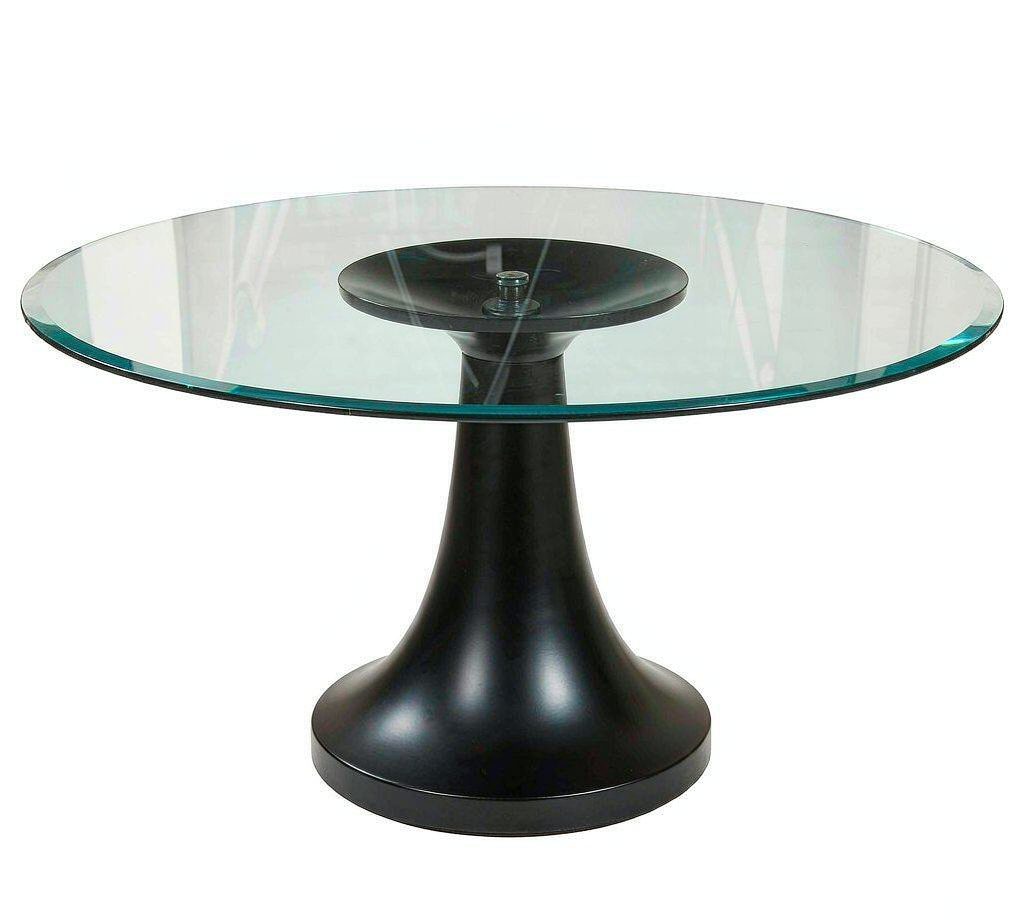 The photograph shows a representative table from the category. Glass thickness, base finish and proportions follow the approved sample, and the image is illustrative rather than a picture of your goods.
We have sourced glass and metal dining furniture out of the Guangdong and Hebei clusters for years. Three failures repeat. A top sold as tempered glass arrives with an edge that was not polished to the stated quality, which is where a chip begins. A base coating that looked even on the sample arrives with thin patches where the frame was handled before coating. And packing that protected the sample arrives with corner protection that no longer covers the corner that takes the impact.
This page covers what the glass and coating words mean, what belongs on the order sheet, and the checks that catch a weak lot. The supply base behind the category is in our wholesale furniture overview.
Glass, frame and coating
Glass is specified by thickness and by treatment. Tempered glass is the standard for a table top because it fails into small blunt pieces rather than shards, and the tempering is a process that either happened or did not. Thickness sets the rigidity and how the top behaves under a load, and edge polishing is the finish that stops a chip becoming a crack.
The frame carries the top and is judged by rigidity. Weld quality, tube section and the way the top is fixed to the frame decide whether the table rocks. A table that rocks on a flat floor is a table that moved during assembly rather than one that arrived wrong.
The coating protects the metal and is the visible finish. Powder coating is the usual choice, and its adhesion depends on surface preparation before the powder goes on. A coating applied over an oily or poorly prepared surface lifts at the edges and at any welded joint.
Specifications and minimum order
Our minimum order is 1 piece, so you can start with a single unit and scale up once the sample is approved. Every line below changes what the factory makes. We do not print prices or schedules here, because glass and coating inputs move; send the size, the glass specification and the quantity, and we come back with a live quotation and a firm production slot.
| Specification | What to confirm before you order |
|---|---|
| Glass type | tempered, with the treatment verifiable on the marking |
| Glass thickness | the thickness, plus the edge polish standard |
| Frame | tube section, weld quality and the fixing method to the top |
| Coating | the finish type, the preparation and the adhesion the bulk must pass |
| Levelness | how the table sits, and the adjustment fitted if any |
| Packing | edge protection, corner protection and the carton construction |
| Minimum order | stated per size and per finish, since glass is cut and tempered in batches |
Minimums in glass furniture are driven by the tempering batch and the coating run, so one size across a small finish range holds cost down. Our sourcing service covers the factory screening, the sample round and the inspections below.
What the glass and coating words mean in practice
Tempering is not visible in the finished panel, so it is evidenced by the marking and by the accompanying test record rather than by appearance. Toughened glass shatters into small pieces when it breaks, and that behaviour is the point of buying it for a table. A top without the marking is a top without the evidence.
Edge quality decides how the panel survives handling. A polished edge resists a chip; a rough edge starts one, and a chip in tempered glass can release the whole panel. Running a finger around a bulk edge is a fast way to find a top that will not survive delivery.
Coating adhesion is the third property and it is testable. A powder coat should hold on a cross hatched test and resist a determined scrape at a weld. Because preparation happens before the coating is applied, a thin patch at a welded joint is evidence of process rather than of an accident.
What belongs in the purchase order
One page attached to the PO is what protects the reorder. Cover these points:
- Glass type, thickness and edge polish standard
- Tempering evidence, with the marking required on the panel
- Frame tube section and welding standard
- Coating type with an adhesion pass level
- Levelness requirement and any adjustable foot
- A penalty clause if the bulk lot differs from the approved sample
Inspection points that catch a weak lot
These checks find what a product photograph cannot:
- Read the glass marking. Confirm the tempering mark on bulk panels and match it against the test record.
- Run a finger around the edge. A rough or unpolished edge is where a chip starts, and it is felt rather than seen.
- Scrape the coating. Try a hard edge at a welded joint on a bulk frame and look for lifting.
- Stand a table on a flat floor. Assemble one bulk table and check for rocking before anything is adjusted.
- Drop a packed carton. Handle a carton as freight would and check the corner protection afterwards.
An independent inspection before loading catches all five at the cheapest point. Factory inspection covers this category, and the wider system is set out in our guide to the quality control system.
Frequently asked questions
How do I confirm that glass is tempered?
By the marking on the panel and by the test record behind it. Tempering is invisible in a finished top, so the evidence is documentation rather than appearance. Tempered glass fails into small blunt pieces, which is why it is the standard choice for a table top.
Why does powder coating peel at a joint?
Because the preparation before coating was incomplete. Powder adheres to a clean, properly treated surface, and a welded joint traps oil and scale that are easy to miss. The peeling shows at exactly the place the preparation was skipped.
Is thicker glass always better for a table?
Thicker glass is more rigid and heavier, which matters for a large top and for freight. For a small round table a moderate thickness is enough, and the choice is a balance between rigidity, weight and how the table is packed for shipping.
Request a quotation
Send the size, the glass specification, the base finish and the quantity you need, plus the market you sell into. We come back with factory options and current bands within two business days.
