
How to Check Wig Quality: Synthetic vs. Human Hair—Tips from a Sourcing Agent
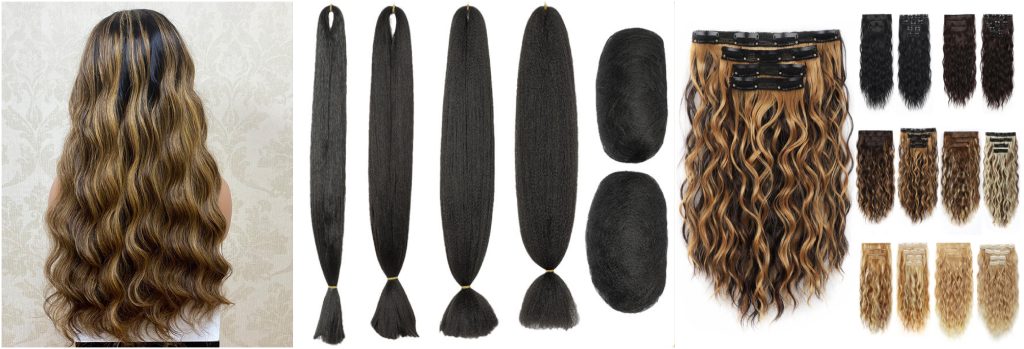
Whether you’re a retailer, salon owner, or online seller, knowing how to spot high-quality wigs is make-or-break for your business. Wigs come in two main types—synthetic and human hair—and each has its own quality markers. As a sourcing agent who’s spent years learning the ins and outs of wig sourcing (thanks to a European client who pushed us to master the craft), we’re breaking down the real, actionable ways to test quality. No guesswork—just practical checks you can do yourself.
First, Know the Basics: Synthetic vs. Human Hair Wigs
Before testing quality, it’s key to tell them apart.
- Synthetic wigs: Made from man-made fibers (like polyester or acrylic). They’re often cheaper, pre-styled, and low-maintenance, but they can look less natural and withstand fewer heat styling sessions.
- Human hair wigs: Crafted from real human hair (usually from countries like India, China, or Brazil). They look and feel more natural, can be heat-styled (curled, straightened), and last longer—but they come with a higher price tag.
How to Test Synthetic Wig Quality
Synthetic wigs vary widely in durability and realism. Here’s what to check:
1. Fiber texture: Run your fingers through the hair. High-quality synthetic fibers should feel soft, not coarse or “plastic-y.” Cheap synthetic wigs often have a shiny, unnatural sheen—good ones mimic the matte finish of real hair.
2. Heat resistance: Most synthetic wigs can’t handle heat (over 300°F/150°C will melt fibers). But heat-friendly synthetic wigs (a higher-quality option) can withstand low heat. Test a small strand with a low-heat straightener—if it melts or fuses, it’s low-quality.
3. Cap construction: The base (cap) should be breathable (look for lace or mesh) and fit snugly without itching. Poor-quality caps use rough materials that irritate the scalp.
4. Density consistency: Check if the hair is evenly distributed. Bald spots or overly thick clumps mean shoddy craftsmanship.
How to Test Human Hair Wig Quality
Human hair wigs are an investment—so you need to ensure you’re getting what you pay for.
1. Burn test (carefully!): Take a tiny strand and light it. Real human hair burns slowly, smells like burning hair (similar to singed hair), and turns to ash. Fake human hair (or mixed with synthetic) will melt, curl, and smell like plastic. Always do this in a safe, well-ventilated area.
2. Strand strength: Tug gently on a few strands. High-quality human hair (especially “Remy” hair, where cuticles are aligned) won’t shed easily. If hair falls out with minimal pull, it’s low-quality.
3. Color consistency: Real human hair should have subtle color variations (like natural hair). If the color is uniformly “perfect,” it may be heavily processed or mixed with synthetic fibers.
4. Styling flexibility: Wet a small section and try styling it with heat. Human hair should hold curls or straighten smoothly. If it frizzes or breaks, it’s likely damaged or low-grade.
Why a Sourcing Agent Makes This Easier
Testing wigs yourself takes time—time you could spend growing your business. As a sourcing agent specializing in wigs, we do the legwork: vetting factories, performing these tests, and ensuring you get consistent quality. Whether you need synthetic wigs for everyday wear or premium human hair pieces, we know which suppliers deliver on their promises (and which cut corners).
Still Unsure? Let Us Help
Wig quality can be tricky to navigate—even for experienced sellers. Do you need help distinguishing top-tier synthetic wigs from cheap imitations? Or want to source human hair wigs that your customers will love?
Reach out to us today. We’ll share our wig quality checklist and connect you with reliable suppliers.